The Andy Burnham Prime Minister transition has gathered momentum after Downing Street confirmed there will be no new major policy or spending commitments before Keir Starmer formally leaves office. The announcement comes as Labour prepares for a leadership process widely expected to end with Burnham becoming Britain’s next prime minister, marking another significant chapter in UK politics.
No. 10 said government business would continue as normal during the transition period, but ministers would avoid introducing fresh major spending decisions until a new leader is installed. The move is intended to ensure stability while allowing the incoming administration to shape its own priorities.
No. 10 Limits Major Decisions Before Leadership Change
Speaking during a Downing Street briefing, the Prime Minister’s spokesperson confirmed that Starmer had agreed to avoid launching new major policy initiatives before leaving office.
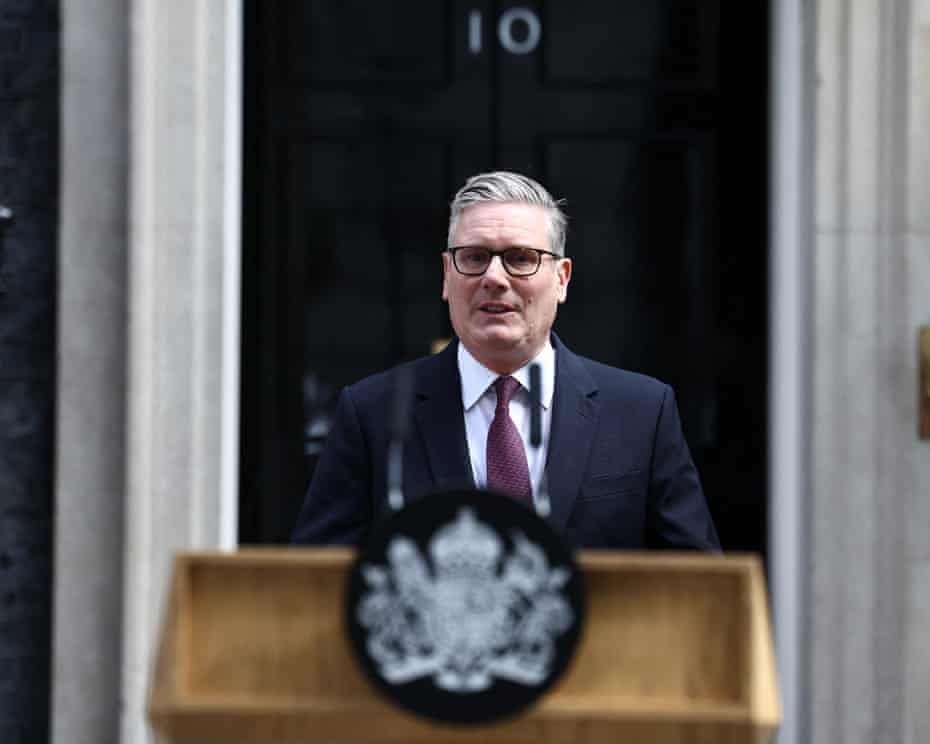
“The prime minister has agreed that there will be no new major policy or spending commitments initiated during this period,” the spokesperson said.
Officials stressed that existing government programmes would continue uninterrupted.
“Where a process is already under way or collective agreement is in place, government business will continue,” the spokesperson added.
The clarification means ongoing projects, including the government’s Defence Investment Plan, are expected to proceed because ministers regard them as existing commitments rather than new spending announcements.
Civil servants have also been instructed to continue operating under established constitutional conventions throughout the leadership transition.
Burnham Expected to Become Britain’s Next Prime Minister
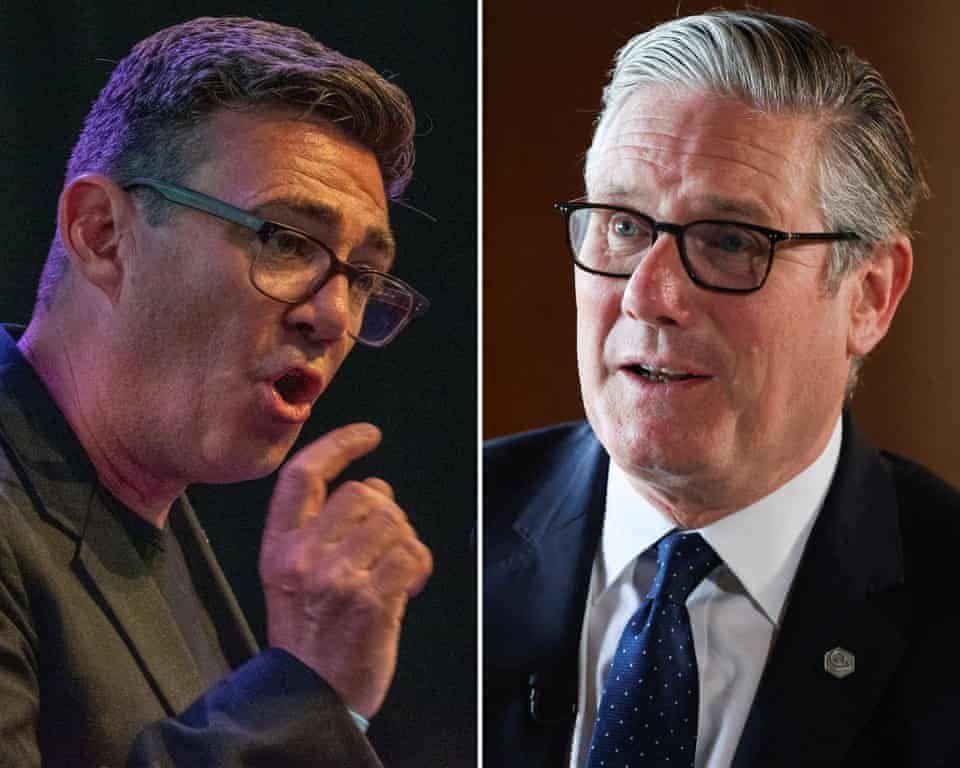
Attention has rapidly shifted toward Andy Burnham, who is widely viewed as the overwhelming favourite to replace Starmer.
Labour officials are preparing a leadership timetable expected to conclude with a special conference on 17 July, where Burnham could formally become party leader and immediately succeed Starmer as prime minister.
According to the proposed timetable, MPs will submit nominations between 9 and 15 July before affiliated organisations complete their endorsement process.
Even if Burnham emerges as the only candidate, Labour rules still require him to receive the necessary parliamentary and affiliate nominations before the leadership can be confirmed.
The transition would make Burnham Britain’s latest prime minister during a decade marked by unusually frequent changes at the top of government.
Civil Service Begins Transition Planning
The Cabinet Secretary, Dame Antonia Romeo, has already begun preparations for the transfer of power.
Downing Street confirmed Burnham will be granted access talks with senior civil servants before nominations close, allowing officials to begin discussing government priorities and administrative arrangements.
Such meetings traditionally take place before general elections but are now being adapted to facilitate an orderly internal transfer of leadership.
Officials insist the arrangements are designed to ensure continuity rather than give preferential treatment to any individual candidate.
“The civil service will act as it did during similar periods in line with precedent,” the Prime Minister’s spokesperson explained.
Starmer Seeks to Finish Defence Investment Plan
Although No. 10 has frozen major new spending decisions, Starmer remains determined to complete work already underway before leaving office.
One of the government’s biggest outstanding priorities is the Defence Investment Plan, which has generated intense political debate after prompting high-profile ministerial resignations.
Speaking to cabinet colleagues, Starmer said he wanted “to resolve difficult issues” before stepping down, signalling his intention to finalise key defence decisions rather than leaving them entirely to his successor.
Chancellor Rachel Reeves has also expressed confidence that the Defence Investment Plan will be published before the NATO summit, insisting the government remains committed to strengthening Britain’s military readiness while maintaining fiscal responsibility.
Labour Leadership Contest Enters Final Phase
While Andy Burnham is regarded as the overwhelming favourite, Labour’s leadership contest must still follow the party’s constitutional procedures before a new leader can officially take office. Nominations are expected to open on 9 July, with a special conference scheduled for 17 July to ratify the result.
Party insiders believe Burnham is likely to secure the backing required from Labour MPs and affiliated organisations, although the timetable is not expected to be shortened even if he emerges as the sole candidate.
The carefully managed process is intended to project stability following Keir Starmer’s surprise decision to resign after two years in office.
Government Prioritises Stability During Transition
Downing Street has repeatedly stressed that the machinery of government will continue operating without interruption during the leadership change.
Officials insist ministers remain fully empowered to discharge their responsibilities, while departments will continue implementing policies already approved by Cabinet.
The Prime Minister’s spokesperson emphasised that “Keir Starmer remains prime minister, and so the business of government will continue as normal until he has recommended a successor to His Majesty the King.”
That reassurance comes as Britain prepares for another change of leadership at a time when the government continues to face economic pressures, defence challenges and complex international commitments.
The decision to avoid announcing major new spending commitments is being viewed as an effort to prevent the outgoing administration from limiting the incoming prime minister’s room for manoeuvre.
Defence Spending Remains Central Issue
Despite the temporary freeze on major policy announcements, the government’s Defence Investment Plan remains one of the most significant issues awaiting completion.
The proposal has already triggered political controversy after disagreements over defence funding resulted in ministerial resignations.
However, ministers insist publication of the plan remains on schedule before the upcoming NATO summit.
Chancellor Rachel Reeves reaffirmed the government’s commitment, saying the plan “will meet the scale of the challenges and meet the moment with increased readiness.”
She added: “It will involve more money spent more effectively and will meet the scale of challenges facing our country.”
Those comments underline Labour’s determination to reassure allies that Britain’s long-term defence strategy will remain intact despite the change in political leadership.
Burnham Faces High Expectations
If confirmed as Labour leader, Andy Burnham will inherit responsibility for steering Britain through significant domestic and international challenges.
Economic growth, public spending, healthcare reform, housing, defence and post-Brexit relations with Europe are expected to dominate his early agenda.
Political analysts believe Burnham’s immediate priority will be demonstrating continuity while also establishing his own identity as prime minister.
His transition team is expected to use the access talks with senior civil servants to prepare detailed plans for the first weeks of his administration.
The absence of major policy announcements before the handover should also provide Burnham with greater flexibility to introduce his own programme once he formally assumes office.
What Happens Next?
Attention will now focus on Labour’s nomination process before delegates gather at the party’s special conference in July.
Read also: Trump waives Iran sanctions for 60 days, warns: ‘I’ll do what I have to’ if Tehran breaks peace deal
Should Burnham secure the required nominations, he is expected to be confirmed as Labour leader before travelling to Buckingham Palace to accept the King’s invitation to form a government.
Until then, Keir Starmer will continue performing the duties of prime minister while ensuring what Downing Street has repeatedly described as an orderly and responsible transition of power.
The coming weeks are therefore expected to be defined less by major policy announcements and more by preparations for one of the most significant political handovers in recent British history. With government operations continuing under established constitutional conventions and Labour preparing to install a new leader, Britain appears set for another peaceful democratic transition as Andy Burnham moves closer to becoming the country’s next prime minister.
About The Author