

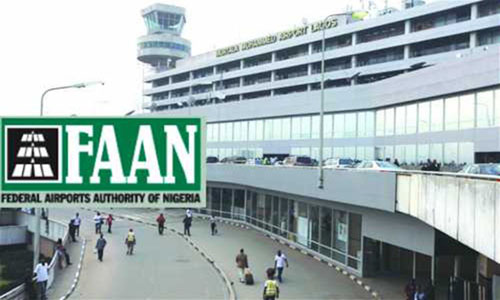
FAAN has increased airport taxi operational charges by 200 percent while enforcing stricter vehicle standards to improve passenger safety and service quality.
The Federal Airports Authority of Nigeria (FAAN) has announced a major overhaul of airport ground transportation operations, introducing a significant increase in operational charges for taxi operators while also tightening vehicle quality requirements across airports nationwide.
The decision, which forms part of a broader modernization programme, will see the operational fee paid by airport cab operators rise from N500 to N1,500.
The new charge represents a 200 percent increase and is expected to take effect as part of ongoing reforms aimed at improving service delivery and maintaining critical airport infrastructure.
According to FAAN, the review became necessary after years of maintaining the same fee structure despite rising operational costs, inflationary pressures, and increased expenses associated with airport maintenance and transportation management.
The authority noted that the previous N500 charge had remained unchanged for more than eight years, making it increasingly difficult to sustain quality services within airport terminals.
The agency explained that the adjustment is not merely a revenue-generating measure but part of a wider strategy to improve the overall travel experience for passengers.
Airport transportation remains one of the first services encountered by travelers upon arrival, making service quality an important component of customer satisfaction.
Beyond the revised fees, FAAN has directed all licensed airport taxi operators to comply with a comprehensive vehicle upgrade programme.
Under the policy, only vehicles that meet approved standards for safety, cleanliness, reliability, and professional appearance will be permitted to operate within airport environments.
The authority stressed that passengers deserve transportation services that reflect the standards expected at modern international airports.
As a result, operators will be required to ensure that their vehicles remain roadworthy, properly maintained, and capable of providing a comfortable experience for both domestic and international travelers.
Industry observers believe the reforms could contribute to improving the image of Nigerian airports, especially as the aviation sector continues efforts to attract greater investment and increase passenger confidence.
Modern airport transportation systems are often regarded as an important indicator of service quality, particularly for visitors arriving from other countries.
Addressing concerns raised by some transport operators, FAAN rejected allegations that stakeholders were excluded from discussions before the implementation of the reforms.
The authority stated that consultations had been carried out extensively with licensed transport companies that maintain direct contractual relationships with airport management.
According to the agency, its formal agreements are with registered taxi operators approved to conduct business within airport terminals.
Consequently, engagements were conducted directly with those entities rather than through umbrella associations or external groups that do not hold operational contracts with the authority.
The airport management body further disclosed that discussions concerning vehicle upgrades began in July 2024.
This, it said, provided operators with sufficient notice and ample opportunity to prepare for the transition.
The authority emphasized that the timeline was intentionally designed to minimize disruptions while encouraging gradual compliance among service providers.
In addition, FAAN revealed that it had already demonstrated flexibility by extending compliance deadlines on multiple occasions.
The initial implementation target was moved to January 2026 following requests from operators who sought additional time to acquire newer vehicles and meet the required standards.
Subsequently, another extension pushed the deadline to June 2026, allowing more operators to align with the policy.
Despite these accommodations, the authority maintained that progress toward compliance has been slower than expected in certain quarters.
As a result, the agency is currently considering one final extension that may shift the deadline to October 2026.
However, officials warned that such a concession would likely represent the last opportunity for operators to meet the requirements before enforcement measures commence.
The reforms are expected to have both short-term and long-term implications for airport transportation services.
While some operators may face increased financial pressure due to the higher fees and vehicle upgrade requirements, passengers could benefit from safer, cleaner, and more dependable transport options.
Aviation experts argue that improving airport taxi services is essential for strengthening the overall passenger experience.
Efficient and professionally managed transportation systems can help reduce complaints, improve airport operations, and create a more positive impression of the country’s aviation sector.
The authority also emphasized that the modernization programme aligns with international best practices adopted at major airports around the world. By raising standards and encouraging fleet renewal, airport management hopes to establish a transportation system that reflects global expectations for safety and professionalism.
As implementation moves forward, FAAN has urged all licensed operators to take advantage of the available timeline to upgrade their vehicles and satisfy the new requirements. The authority reiterated that continued delays could make compliance more difficult in the future and warned that additional extensions may not be granted.
With the combined introduction of higher operational charges and stricter vehicle standards, the reforms mark one of the most significant changes to airport taxi operations in recent years.
The initiative reflects the determination of FAAN to improve service quality, enhance passenger comfort, and create a more modern transportation environment across Nigeria’s airports.