

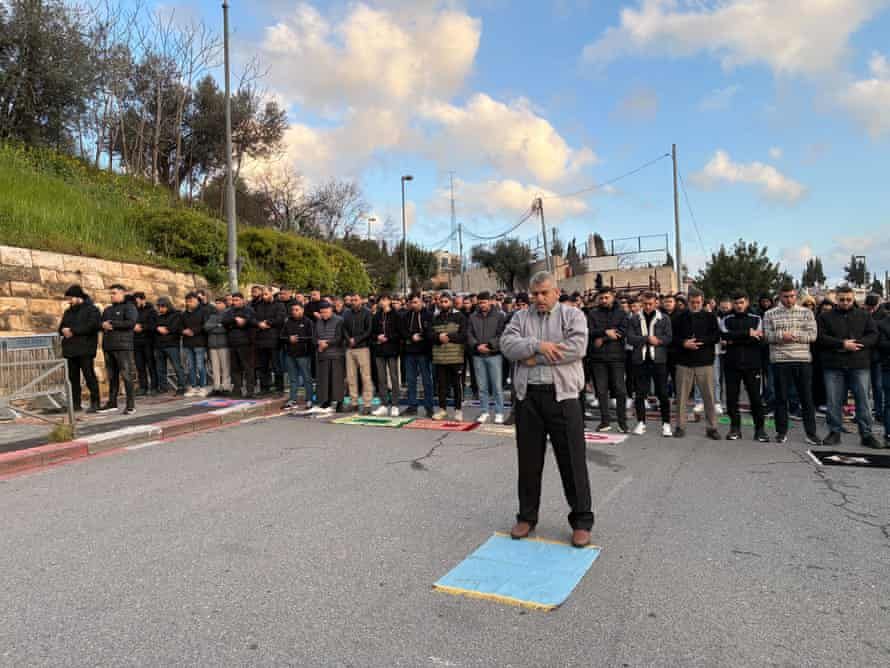
Al-Aqsa mosque closure at Eid has triggered widespread anger and grief as worshippers in Jerusalem were barred from entering one of Islam’s holiest sites during a sacred celebration.
The unprecedented decision to shut Al-Aqsa Mosque at the end of Ramadan marks a historic moment, as restrictions intensified amid escalating regional tensions tied to the ongoing conflict involving Iran.
For many Palestinians, the closure represents not just a security measure but a symbolic blow to religious freedom, identity, and longstanding traditions tied to worship at the revered compound during Eid celebrations.
Hundreds of worshippers gathered outside the Old City walls, laying prayer mats on pavements, streets, and alleyways, attempting to maintain spiritual observance despite being physically separated from the sacred mosque complex.
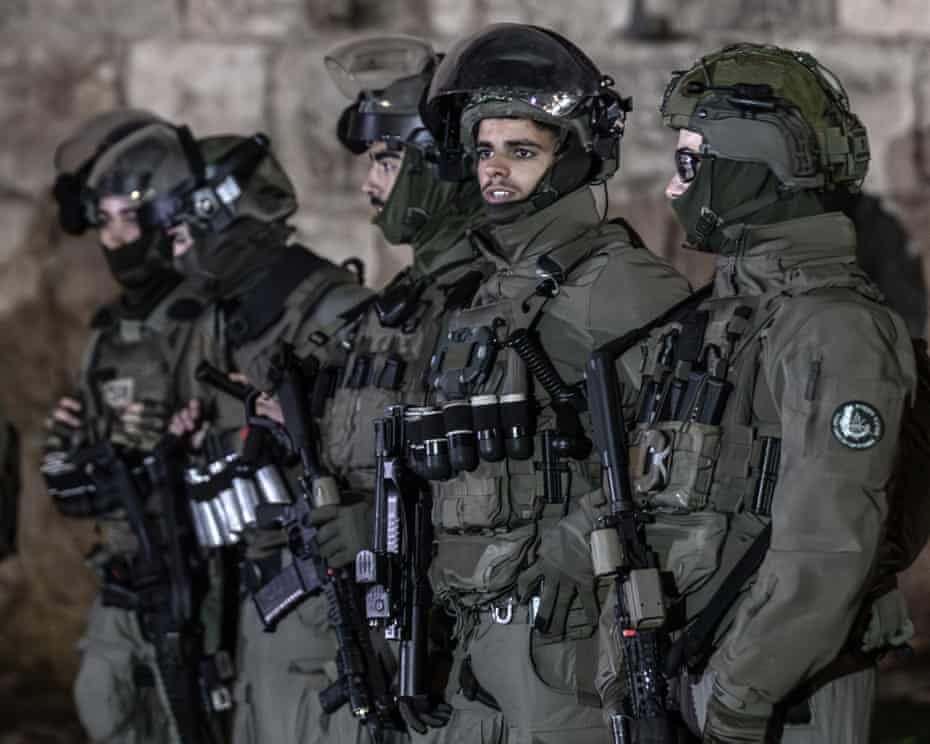
Witnesses described an unusually quiet atmosphere across the Old City, where vibrant Eid preparations are typically visible, replaced instead by shuttered shops, heavy security presence, and growing frustration among residents.
Israeli authorities defended the move as necessary due to heightened security risks linked to broader regional instability, particularly fears of escalation connected to military developments involving the United States and Iran.
However, Palestinian leaders and residents argue the restrictions reflect a broader pattern of tightening control over religious sites, particularly within the compound known to Muslims as Haram al-Sharif.
The site also holds deep significance in Judaism, where it is referred to as the Temple Mount, adding layers of historical, religious, and political sensitivity to any developments affecting access.
Local residents expressed fears that this closure could set a dangerous precedent, raising concerns that similar restrictions could become more frequent during key religious periods in the future.
One worshipper described the moment as “the saddest day,” reflecting a shared emotional response among many who have observed Ramadan traditions at the mosque for decades without interruption.
Religious leaders urged Muslims to perform Eid prayers as close as possible to the mosque, reinforcing spiritual resilience while acknowledging the limitations imposed by the security restrictions.
Tensions have been building for months, with reports of increased arrests, restricted entry permits, and repeated confrontations between worshippers and Israeli security forces within the Old City.
Observers say these developments have contributed to a fragile atmosphere, where even minor incidents risk escalating into broader clashes, especially during emotionally significant periods like Ramadan and Eid.
International reactions have been swift, with the Arab League condemning the closure as a violation of international norms and warning of its potential to inflame tensions across the region.
Similarly, the Organisation of Islamic Cooperation criticized the move, emphasizing the importance of preserving freedom of worship and protecting religious heritage sites.
The African Union Commission also joined in condemnation, highlighting concerns that such actions undermine established agreements governing access to holy sites in Jerusalem.
In a joint statement, these organizations warned that continued restrictions could provoke wider unrest, potentially destabilizing not only Jerusalem but also the broader Middle East region.
Economic impacts have also been severe, with local traders reporting significant losses due to forced closures during what is typically one of the busiest commercial periods of the year.
Shopkeepers described struggling to support their families as foot traffic disappeared, adding a financial burden to the already heavy emotional toll experienced during the holiday period.
Meanwhile, the situation in Gaza presents a parallel narrative of hardship, where ongoing conflict continues to overshadow attempts at celebrating Eid amid destruction and displacement.
Despite reduced intensity in some areas, intermittent airstrikes and instability persist, preventing many families from fully observing the holiday or reuniting with loved ones separated by conflict.
Displaced residents described a bittersweet atmosphere, where efforts to maintain traditions coexist with grief, loss, and uncertainty about the future.
Families in makeshift camps attempted to recreate Eid customs, baking traditional sweets and sharing modest meals, even as resources remained scarce and living conditions challenging.
Parents struggled to provide a sense of normalcy for children, many of whom have grown up amid conflict and have limited memories of peaceful celebrations.
Humanitarian conditions remain dire, with limited access to essential supplies and ongoing concerns about safety, particularly in areas still vulnerable to sudden escalations in violence.
The reopening of the Rafah crossing offered a brief moment of relief, allowing some aid to enter, but residents emphasized that the support remains insufficient to meet widespread needs.
Many families continue to rely on humanitarian assistance, facing daily uncertainty while trying to preserve dignity and cultural identity through religious observance.
Across both Jerusalem and Gaza, Eid has become a symbol of resilience, where faith persists despite adversity, and communities strive to maintain hope under difficult circumstances.
However, analysts warn that the closure of Al-Aqsa during such a significant religious moment could have long-term implications, deepening divisions and complicating efforts toward peace.
The intersection of religion, politics, and security in Jerusalem has long made the city a focal point of global attention, with developments at holy sites often resonating far beyond local boundaries.
As tensions continue, the situation underscores the delicate balance required to manage competing claims, religious sensitivities, and security concerns in one of the world’s most contested cities.
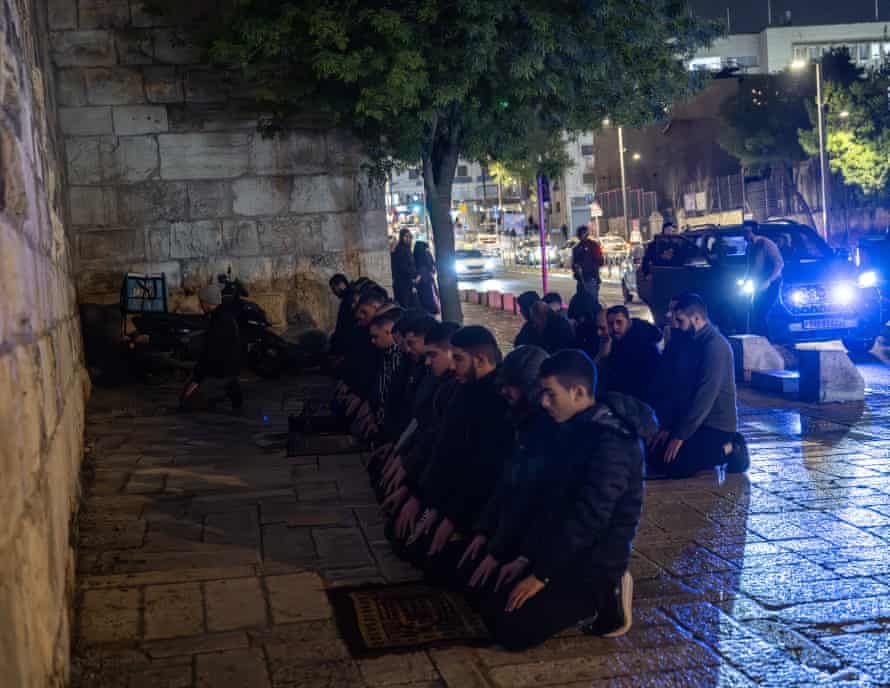
For many worshippers, the immediate concern remains deeply personal—the inability to pray at a sacred site during one of the most important days in the Islamic calendar.
Yet the broader implications extend to international diplomacy, regional stability, and the ongoing challenge of ensuring access to religious sites while maintaining security.
Ultimately, the Al-Aqsa mosque closure at Eid has become more than a local issue, evolving into a global flashpoint that reflects enduring tensions and unresolved conflicts.
Read also: UK-Nigeria steel deal to boost British jobs, support Lagos Port development