

Airlines worldwide scrambled to adjust schedules after the Airbus A320 recall triggered urgent grounding orders, with officials stressing the action was necessary for “passenger safety above everything else.”
Air travel analysts described the Airbus A320 recall as an unprecedented move, noting that “any mass grounding on this scale inevitably sends shockwaves throughout global aviation operations.”
The European regulator characterised the Airbus A320 recall as precautionary, explaining the software rollback “restores a stable configuration,” though airlines complained of unexpected operational complexity.
Multiple carriers confirmed the Airbus A320 recall would cause rolling cancellations, with one executive admitting the situation had created “a logistical puzzle nobody wanted as December travel peaks.”
Technicians said the Airbus A320 recall involved reverting to earlier system versions, a process they called “straightforward but extremely time-sensitive due to the flight-critical nature involved.”
Industry observers warned the Airbus A320 recall could strain maintenance facilities, saying “shops already overwhelmed by engine-related backlogs now face another urgent task adding immense pressure.”
Passenger frustration mounted as the Airbus A320 recall forced carriers across continents to rethink weekend schedules, with travellers reporting “confusion, queues and constant notifications of sudden delays.”
Operations managers said the Airbus A320 recall came at the worst possible moment, adding that “the holiday surge was already difficult, and this disruption compounds everything dramatically.”
Airbus confirmed the software issue behind the Airbus A320 recall was linked to solar radiation interference, stating the event revealed “an unexpected vulnerability requiring immediate corrective action.”
Aviation specialists described the solar-radiation factor in the Airbus A320 recall as alarming, noting that “environmental interference affecting avionics raises new questions for next-generation aircraft resilience.”
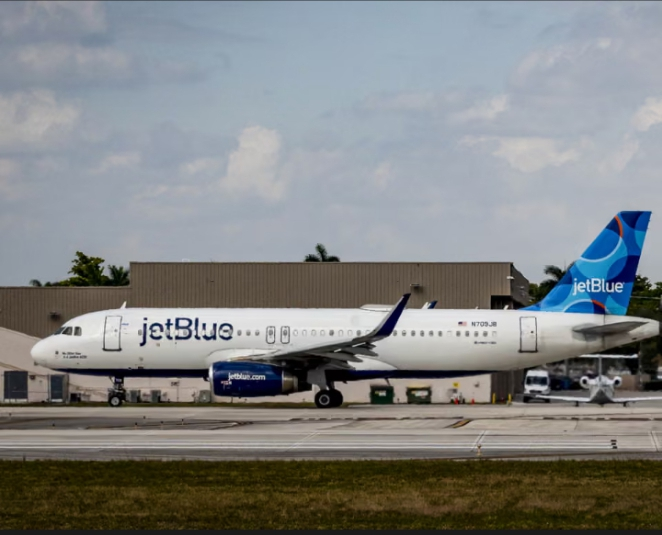
JetBlue’s October descent incident, which sparked the Airbus A320 recall, injured passengers and highlighted “a moment of uncontrolled aircraft behaviour” that investigators insisted must not recur.
Officials reviewing the triggering event behind the Airbus A320 recall said the sudden altitude drop underscored “why flight-control systems must withstand extreme conditions without misinterpreting pilot commands.”
Reports indicated the ELAC flight-control computer linked to the Airbus A320 recall relays side-stick inputs to the elevators, a function experts call “the backbone of pitch regulation.”
Thales, the manufacturer implicated in the Airbus A320 recall inquiry, insisted its hardware met all requirements, emphasising that “software oversight falls outside our responsibility and should be assessed accordingly.”
Airline networks across the Americas faced heavy disruption as the Airbus A320 recall affected thousands of flights, with one US carrier saying “we’re working nonstop to stabilise operations.”
Delta and United acknowledged the Airbus A320 recall’s impact but reassured passengers that repair times were short, estimating “roughly two hours per aircraft once technicians begin immediate work.”
American Airlines, the largest affected operator, said the Airbus A320 recall would temporarily ground hundreds of jets, although its teams were “confident of swift, systematic turnaround.”
Australian travellers faced cancellations after Jetstar grounded aircraft due to the Airbus A320 recall, with the airline stating passenger safety “must take absolute priority despite the inconvenience.”
Japanese carriers announced widespread service alterations linked to the Airbus A320 recall, with ANA explaining that ensuring compliance “requires grounding several aircraft simultaneously to complete essential updates.”
European carriers prepared for similar turbulence as the Airbus A320 recall took effect, though Lufthansa maintained disruptions would remain “limited and manageable with current planning.”
UK-based fleets said only a small number of aircraft were touched by the Airbus A320 recall, noting that “efficient scheduling” would help prevent noticeable service interruptions.
EasyJet completed many updates rapidly, reporting that the Airbus A320 recall caused “operational ripples rather than waves thanks to early technical preparation and coordinated overnight engineering teams.”
Airport authorities said the Airbus A320 recall affected various terminals only sporadically, while Gatwick confirmed “a small cluster of carriers required immediate grounding but recovered quickly.”
Avianca halted new ticket sales after the Airbus A320 recall impacted a majority of its fleet, calling the decision “necessary to avoid selling flights we cannot confidently operate.”
Aviation economists argued the Airbus A320 recall showcases the fragility of airline timetables, saying “any technical stop-order instantly exposes how tightly global operations are interlinked.”
Engine repair shortages have already slowed operations worldwide, and analysts warned the Airbus A320 recall would compound delays, describing maintenance networks as “stretched to the breaking point.”
Officials reassured customers that the Airbus A320 recall was a preventive action, with regulators stating “intervention now avoids any potential risk escalating into a more serious event later.”
The aviation minister in the UK said the Airbus A320 recall affected few domestic jets, praising engineers for “responding with remarkable speed to apply required corrections promptly.”
Historically, the A320 programme celebrates strong reliability, yet the Airbus A320 recall marks one of its most disruptive moments, prompting industry leaders to reassess software-reliant systems.
Experts noted the A320’s fly-by-wire legacy shaped aviation’s digital transformation, but the Airbus A320 recall demonstrates “software advantages also introduce unique vulnerabilities needing constant evaluation.”
Manufacturers expect demand for narrow-body jets to remain high despite the Airbus A320 recall, citing expanding travel markets in Asia driving “insatiable appetite for efficient single-aisle aircraft.”
Some analysts suggested the Airbus A320 recall might temporarily shift orders between major manufacturers, though they emphasised that “long-term reputational effects depend on final investigation findings.”
Regulators emphasised transparency throughout the Airbus A320 recall process, assuring passengers that “every procedural step adheres to strict international safety frameworks governing commercial aviation.”
Technicians insisted no aircraft would return to service until the Airbus A320 recall requirements were met, calling the approach “non-negotiable in maintaining public trust and operational integrity.”
Passenger advocates said the Airbus A320 recall underscored the need for stronger messaging, urging airlines to provide “consistent updates rather than leaving travellers searching for fragmented details.”
Aircraft engineers reiterated that the Airbus A320 recall, while disruptive, remains a relatively low-complexity fix, adding that “getting jets safely airborne again is only a matter of workload.”
Some industry veterans argued the Airbus A320 recall highlights how weather-related phenomena must be considered more seriously, especially as solar activity increases across different phases of spacecraft monitoring.
The recall also revived debates surrounding aircraft self-monitoring, with experts saying the Airbus A320 recall shows “a need for enhanced early-warning diagnostics capable of flagging anomalies instantly.”
Airbus pledged transparency as it continued analysing data behind the Airbus A320 recall, urging operators to “follow directives precisely to ensure uniform safety compliance across all global fleets.”
Airline unions expressed sympathy for affected staff dealing with Airbus A320 recall stress, stating that “frontline teams always carry the emotional weight of disruptions felt by passengers.”
Instrument specialists explained that the Airbus A320 recall involves returning flight computers to previous stable configurations, describing the older software as “trusted, proven and operationally consistent.”
Executives predicted that most aircraft grounded by the Airbus A320 recall would re-enter service within days, although some regions may experience “persistent delays due to infrastructure strain.”
Passengers continued adjusting plans as the Airbus A320 recall reshaped travel patterns, with some reporting “a cautious appreciation that safety steps, though disruptive, remain unquestionably essential.”
Aviation consultants said the Airbus A320 recall would likely become a case study, illustrating how “swift regulatory intervention can contain systemwide risk even amid mass operational upheaval.”
Though the Airbus A320 recall created global disarray, leaders insisted lessons learned would strengthen the industry, reaffirming the principle that “no level of disruption outweighs the value of safety.”
About The Author


