Aftershock shakes Bangladesh, leaving 10 people dead and hundreds injured as tremors continue near Dhaka, triggering fear, widespread structural damage, and emergency operations across the capital and surrounding districts.
A magnitude 5.5 earthquake struck near Dhaka on Friday afternoon, toppling walls, roofs, and other structures in older neighborhoods, leaving families stranded outdoors amid panic and debris.
Emergency officials reported that dozens of houses suffered severe cracks, with several collapsing partially. Residents fled into the streets, fearing additional tremors would worsen the destruction and casualties.
Omar Faruq of the Bangladesh Meteorological Department confirmed a smaller 3.3 magnitude tremor on Saturday morning in Ashulia, north of Dhaka, heightening anxiety as aftershocks continued for hours.
“Some small tremors are expected after a major earthquake,” said Rubayet Kabir of the Earthquake Observation and Research Centre. “Bangladesh is vulnerable due to its geology and population density.”
Shahnaj Parvin, living near Ashulia, recounted, “I was hanging my children’s clothes when the ground shook again. Cracks appeared in our walls. I fear for my family’s safety.”
Hospitals in Dhaka reported a surge of injuries, treating hundreds with fractures, cuts, and shock. Emergency wards were overwhelmed, as medical teams struggled to reach remote and affected neighborhoods.

Eyewitnesses described terrifying experiences as buildings lurched unpredictably. Shadman Sakif Islam said, “It felt like riding massive waves. My chairs and tables moved violently, and I was frozen in fear.”
The government immediately activated the national emergency operation centre to coordinate rescue efforts and assess structural damage in heavily affected districts surrounding Dhaka.
Emergency crews are clearing debris and securing unstable structures. Engineers inspect bridges, schools, and hospitals to prevent further collapses, working alongside local volunteers and rescue teams.
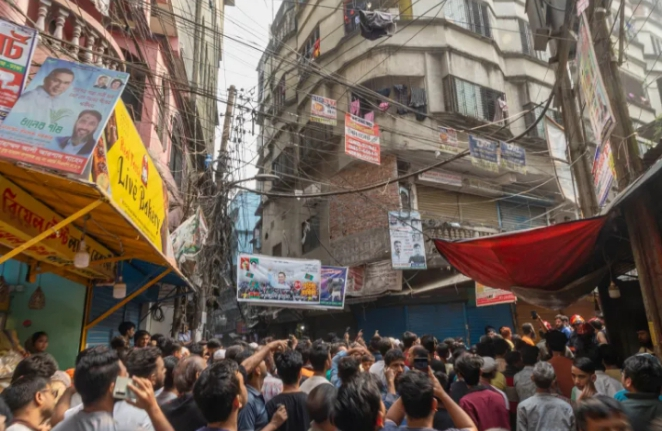
Older neighborhoods suffered the most damage. Roofs collapsed in narrow streets, forcing residents to camp outside despite the threat of cold weather and continuing tremors.
Authorities warned that aftershocks could continue for days. Residents were urged to avoid unsafe buildings and follow evacuation instructions issued by disaster management teams.
Newsmen’s report from Dhaka, stating, “This was one of the strongest earthquakes in recent memory. Entire neighborhoods were gripped by panic, with people fleeing into streets.”
Bangladesh’s dense population and weak building infrastructure increase the risk of fatalities even from moderate earthquakes. Experts emphasize disaster preparedness as key to minimizing damage.
Many families displaced by the quake face emotional and financial hardship. Loss of homes and belongings, coupled with fear of aftershocks, has left communities in prolonged distress.
Relief agencies are setting up temporary shelters across Dhaka and Ashulia. Food, water, and medical supplies are being distributed to thousands of residents forced to live outdoors.
Local authorities are urging citizens to remain calm while staying vigilant. Public awareness campaigns emphasize evacuation routes, safe zones, and first-aid measures in anticipation of additional tremors.
Schools in affected districts were closed for safety assessments, while teachers assisted in coordinating shelter and support for children displaced by the earthquake and aftershocks.
Many residents described sleepless nights. “Every small shake makes us run outside,” one Dhaka resident said. “The fear of the unknown is worse than the earthquake itself.”
The minor tremor in Ashulia was centered just north of the capital. Meteorologists predict additional aftershocks may occur over the coming days, requiring continued vigilance and caution.
Authorities urged residents to report damaged buildings to local offices. Rapid reporting allows emergency teams to prioritize relief, allocate medical resources, and reach communities most in need.
Rubayet Kabir emphasized, “Aftershock shakes Bangladesh serves as a warning. Awareness, preparedness, and resilient construction are essential to reduce casualties during future seismic events.”
Eyewitness Shadman Sakif Islam described the quake: “It began with small ripples in my coffee, then a massive shake threw furniture violently. I couldn’t process what was happening.”
The government announced financial assistance for affected families. Plans to review building codes and strengthen construction standards aim to prevent similar structural failures in future earthquakes.
International aid agencies are coordinating relief. NGOs are sending food, blankets, and medical supplies while volunteers assist local authorities in distributing essentials to displaced families.
Infrastructure damage was widespread. Roads, electricity, and water supply lines were disrupted, complicating rescue and relief operations as officials worked to restore basic services in affected areas.
Hospitals reported high numbers of injured patients. Emergency wards continue treating fractures, cuts, and trauma-related cases. Medical teams are on high alert for additional casualties from aftershocks.
Eyewitness accounts reveal the human cost. Shahnaj Parvin said, “The tremor woke my children. We had no idea what was happening. Every jolt leaves us more frightened than the last.”
Many residents camped outside homes, fearing structural collapses. Makeshift tents were set up in streets, parks, and open areas while authorities assessed damage to unsafe buildings.
Local volunteers coordinated with emergency teams to distribute food, blankets, and water to residents stranded outdoors. Community solidarity helped provide temporary relief during the chaotic aftermath.
Emergency engineers inspected hospitals, schools, and public offices to prevent additional collapses, identifying the most dangerous structures and recommending immediate reinforcement or evacuation.
Officials urged residents to remain outdoors when possible, avoid large crowds in damaged buildings, and stay in safe open areas to minimize injury from aftershocks or falling debris.
The quake and aftershocks are a stark reminder of Bangladesh’s vulnerability to seismic events. Despite low historical activity, the country remains at risk due to geology and population concentration.
Families are struggling with emotional trauma. Children in particular are frightened, with repeated tremors causing anxiety and stress, prompting psychological support services to be deployed in the hardest-hit areas.
Relief agencies emphasized water and sanitation support, fearing disease outbreaks among displaced populations living in temporary shelters with limited facilities.
Authorities reported that dozens of buildings were unsafe. Evacuations continue as engineers assess the structural integrity of homes, schools, and hospitals, prioritizing areas with the highest risk of collapse.
The government urged residents to remain calm while implementing safety precautions. Early warning messages were broadcast via television, radio, and mobile alerts to inform citizens of potential aftershocks.
Historical context shows Bangladesh has not experienced a major earthquake in over a century, but experts warn that small tremors are increasingly common due to geological fault lines beneath the country.
Relief agencies and volunteers are distributing first aid kits, blankets, and food parcels, while government emergency teams coordinate temporary shelters for families displaced by collapsed or damaged homes.
Eyewitnesses report the terrifying experience of Friday’s quake. Shadman Sakif Islam said, “The ground moved violently. Objects flew. We were stuck without knowing what to do for several seconds.”
Hospitals in the capital continue to treat injuries. Staff work tirelessly despite fatigue and resource constraints, ensuring patients receive urgent care amid ongoing tremors.
Authorities are coordinating with international aid organizations, seeking additional medical and logistical support to assist in relief and recovery operations in Dhaka and nearby districts.
Structural engineers stress the importance of building inspections and reinforcement of older homes. Many older houses are particularly vulnerable to moderate tremors, necessitating rapid evaluation and repair.
Relief organizations are calling for volunteers to help distribute supplies, assist in shelters, and provide medical support to communities affected by the earthquake and its aftershocks.
Residents continue to monitor the situation closely. Many sleep outdoors or in safe open areas to avoid the danger of unstable structures during night-time tremors.
The Bangladesh Meteorological Department continues to monitor seismic activity. Updates are issued to the public, providing information on tremor locations, magnitudes, and potential risk zones.
Authorities urge caution during aftershocks. Citizens are advised to avoid damaged buildings, follow evacuation plans, and stay alert to prevent injuries or fatalities.
Emergency operation centres coordinate daily updates, ensuring rapid information flow and enabling timely intervention to reach the most affected communities with relief resources.
The human toll extends beyond injuries. Families face financial strain due to damaged homes, loss of property, and the cost of temporary accommodation, compounding trauma and stress.
International relief agencies continue to coordinate with local authorities, providing financial aid, food supplies, medical equipment, and temporary shelter assistance for thousands affected by the quake.
Eyewitness accounts highlight panic and fear. Shahnaj Parvin said, “Every tremor reminds us of the last one. We fear a stronger quake may come at any time.”
The government pledged ongoing support, including compensation for families of the deceased and initiatives to repair damaged infrastructure, aiming to restore normalcy in affected districts over the coming months.
Emergency teams, engineers, and volunteers remain on constant alert, ensuring that rescue and relief operations reach all affected neighborhoods, while monitoring buildings for signs of imminent collapse.
As Bangladesh confronts the quake and aftershocks, officials emphasize preparedness, public awareness, and infrastructure improvement as essential measures to reduce casualties in future seismic events.