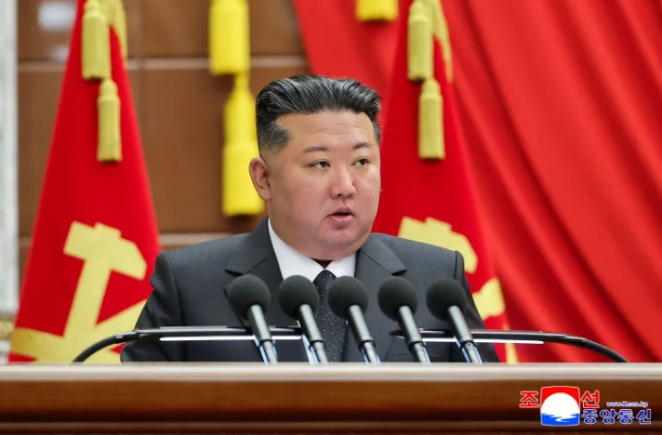
President Volodymyr Zelenskyy has confirmed that the United States is pushing for Ukraine to create a free economic zone in eastern Ukraine as a buffer.
Kyiv submitted a 20-point counter-proposal to the US detailing security guarantees and territorial red lines, making clear any concessions must be approved through a referendum.
“They see it as Ukrainian troops withdrawing from Donetsk, while Russian forces would not immediately enter this area, but governance and administration remain unclear to both sides,” Zelenskyy explained.
The US proposal calls it an economic free zone, while Russia refers to it as a demilitarised zone, highlighting competing terminologies and visions for the region’s administration.
Zelenskyy stressed that any agreement must reflect Ukraine’s sovereignty, emphasising that citizens will determine future territorial arrangements through democratic mechanisms, elections, or a referendum.
President Trump reportedly wants a peace deal finalised by Christmas, with US officials advancing the 20-point framework, alongside separate documents covering security and reconstruction initiatives.
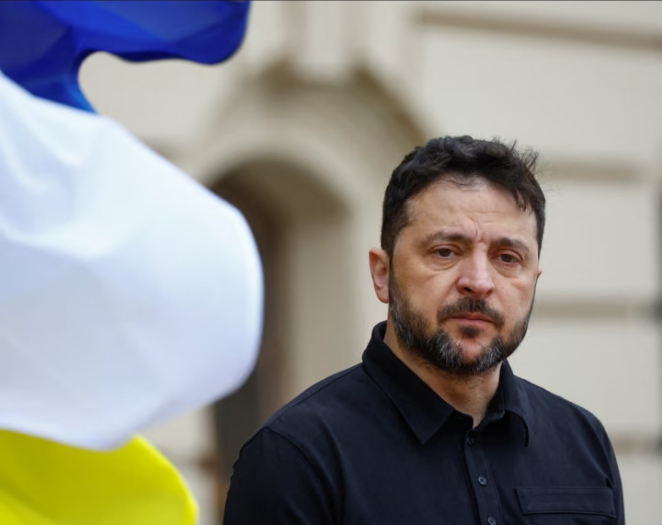
The security guarantees document must provide “concrete answers” outlining precise actions if Russia decides to restart hostilities, Zelenskyy said, stressing enforceable measures are central to any agreement.
Kyiv currently controls roughly one-fifth of Donetsk, making any unilateral withdrawal controversial and prompting Zelenskyy to question why Russia does not reciprocate a similar troop pullback.
Future governance of the Zaporizhzhia nuclear power plant is another major sticking point, with Kyiv insisting operational and safety control cannot be compromised under any peace framework.
The US draft, initially leaked, was widely criticised as disproportionately favouring Moscow; Kyiv’s counter-proposal revises territorial arrangements and security provisions to safeguard Ukrainian sovereignty.
Zelenskyy met US Secretary of State Marco Rubio, Defense Secretary Pete Hegseth, and envoy Steve Witkoff to discuss security guarantees, emphasising clear enforcement protocols against potential Russian aggression.
Ukraine’s allies in the “Coalition of the Willing” discussed unlocking frozen Russian assets for Kyiv during a virtual meeting, supporting European proposals to use these funds for reconstruction.
The European Commission is pushing to tap 200 billion euros of frozen Russian central bank assets to fund urgent Ukrainian projects, although legal and political hurdles remain substantial.
Hungary, the EU member closest to Russia, has the power to veto asset usage, highlighting ongoing challenges in maintaining European unity for Ukraine’s financial and military needs.
Belgium, hosting Euroclear, the custodian of the majority of frozen funds, expressed concerns over potential legal or financial retaliation from Moscow if these assets are mobilised.
Trump continues to pursue direct diplomacy with Kyiv and Moscow, reportedly bypassing European allies and using shuttle diplomacy led by envoy Steve Witkoff and Jared Kushner.
German Chancellor Friedrich Merz and Dutch Prime Minister Mark Rutte confirmed further talks with the US are planned, potentially leading to an international meeting to advance Ukraine peace negotiations.
Merz and Rutte indicated Ukraine is closer to a ceasefire than ever, but stressed European leaders must remain involved in negotiations and approve any territorial concessions.
The White House confirmed a US representative will attend upcoming European talks if a tangible opportunity for a peace agreement exists, signalling continued American engagement.
Russia, seeking to project strength, claims to hold the “strategic initiative” in the Donbas and insists it is ready to seize claimed territories if Ukraine refuses concessions.
Lieutenant General Sergei Medvedev reported to Putin that Russian troops captured Siversk in Donetsk, a claim denied by Ukraine’s Operation Task Force East, citing defensive successes and heavy Russian losses.
Ukrainian forces are reportedly holding northern Pokrovsk, a key logistics hub, challenging Moscow’s claims of complete territorial control in Donetsk and demonstrating Kyiv’s continued military resilience.
Ukrainian long-range drones targeted a Lukoil oil rig in the Caspian Sea, halting production from over 20 wells, according to Security Service of Ukraine sources, affecting Russia’s energy operations.
The overnight drone attack also disrupted flights at all four Moscow airports for seven hours, marking one of Ukraine’s most significant aerial operations of the conflict.
Zelenskyy told the Coalition of the Willing that a ceasefire is essential to hold elections safely, reiterating that democratic processes cannot proceed amid ongoing hostilities.
The Ukrainian leader, whose term officially expired last year, faces mounting pressure from Trump and other stakeholders to conduct elections as part of the peace process timeline.
NATO chief Mark Rutte warned that Russia may attempt military action against alliance members within five years, urging rapid increases in defence spending and production across Europe.
“Conflict is at our door,” Rutte said, highlighting that complacency could invite escalation, and underscoring the urgent need for coordinated European and NATO responses to Russian aggression.
Zelenskyy emphasised that the Donetsk region withdrawal plan must involve reciprocal Russian troop reductions to ensure balanced and enforceable security measures, warning against one-sided concessions that could jeopardise Ukraine.
The US describes the proposed area as a free economic zone to stimulate local development, contrasting Russia’s military-focused demilitarised zone terminology, reflecting differing priorities for post-conflict governance.
Kyiv insists any agreement must guarantee local security, sovereignty, and civilian administration, incorporating Ukrainian participation in decisions about governance, resources, and international monitoring mechanisms.
The Ukrainian president expressed scepticism that Russian forces will comply with withdrawal commitments without enforceable monitoring or external guarantees from NATO or other international bodies.
Financial recovery remains a critical element, with frozen Russian assets intended to fund reconstruction, military equipment, and civilian relief, contingent on European consensus and legal safeguards against Moscow’s retaliatory claims.
The Coalition of the Willing continues coordinating support for Ukraine, ensuring that funding, military aid, and sanctions enforcement remain effective despite geopolitical complexities and conflicting national interests within the EU.
Trump’s peace strategy aims to negotiate directly with Moscow and Kyiv, circumventing European bureaucratic processes, reflecting a preference for high-level, expedited diplomacy in hopes of securing a rapid agreement.
Merz and Rutte emphasised Europe’s indispensable role in ensuring legitimacy and compliance for any territorial concessions, reaffirming that Kyiv retains ultimate decision-making authority over its sovereign territory.
Putin’s insistence on controlling claimed regions, including Donetsk and Zaporizhzhia, signals Moscow’s determination to shape the negotiation outcome while projecting confidence in its military capabilities.
The ongoing drone campaign demonstrates Ukraine’s strategic flexibility and ability to target Russian military and economic infrastructure, contributing to bargaining leverage in diplomatic negotiations.
Zelenskyy reiterated that elections are crucial for legitimacy, and international guarantees must ensure safety and fairness, reinforcing the principle that democratic processes cannot be subordinated to expedient diplomacy.
US pressure on Ukraine is intensifying, with Trump’s team seeking quick agreement, but Zelenskyy continues advocating for Ukrainian sovereignty, citizen input, and enforceable security guarantees as negotiation prerequisites.
The debate over the free economic zone in eastern Ukraine remains central, as both sides grapple with territorial control, governance, and civilian safety while attempting to avoid renewed escalation.
European and US coordination on sanctions, military support, and reconstruction funding remains crucial, balancing diplomatic engagement with pressure on Russia to comply with negotiated frameworks.
Ukraine’s counter-proposal reflects the country’s determination to negotiate from a position of sovereignty, demanding transparency, security, and local citizen involvement, rather than unilateral concessions dictated externally.
Despite international pressure, Zelenskyy emphasised the necessity of involving Ukrainian citizens in decisions over Donetsk, Zaporizhzhia, and other contested areas, highlighting democratic legitimacy as essential to peace.
The proposed free economic zone is envisioned as a mechanism to separate forces, stabilise the region, and allow economic activity while avoiding immediate conflict flare-ups.
Ongoing European discussions aim to solidify mechanisms for frozen Russian assets, ensuring Kyiv receives resources while mitigating risks of legal or financial backlash from Moscow.
Zelenskyy’s insistence on a referendum underscores Ukraine’s insistence on democratic legitimacy, balancing internal political requirements with external pressures from the United States and other allies.
The situation remains fluid, with diplomacy, military operations, and economic considerations intertwined, as both Ukraine and Russia navigate pressures from internal constituencies and international stakeholders.
The next round of talks, involving US and European representatives, is expected to focus on security guarantees, territorial arrangements, and reconstruction funding, aiming for a comprehensive, enforceable agreement.
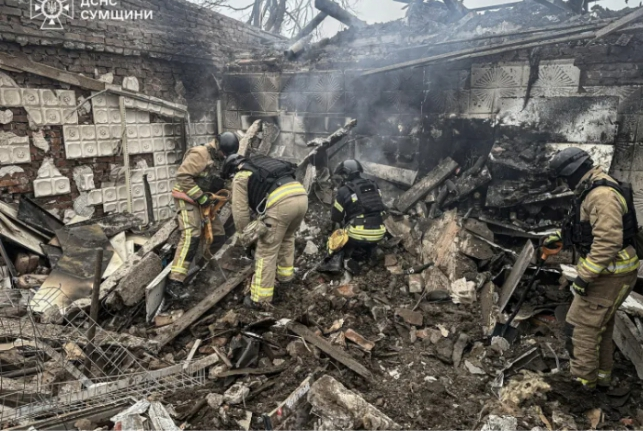
The stakes remain high, as failure to reach a sustainable deal could prolong conflict, undermine European security, and strain US-European relations regarding strategy and sanctions enforcement.
Zelenskyy’s approach demonstrates a blend of diplomacy, military strategy, and domestic political considerations, aiming to secure Ukraine’s sovereignty while navigating intense international pressure.
About The Author