The Yoruba autonomy movement gains fresh momentum as YOREM marks 26 years, rejects injustice, demands self-rule, and condemns Nnamdi Kanu’s life sentence.
The Yoruba autonomy movement has entered a new and decisive phase as the Yoruba Revolutionary Movement (YOREM) intensifies its demand for self-rule, declaring that Nigeria’s political structure has collapsed under years of injustice and failed reforms.
Marking its 26th anniversary, the group stated that the push for Yoruba liberation is no longer symbolic but a necessary response to a federation that has repeatedly failed to protect the interests of its people.
Founded on 21 November 1999, YOREM described its two-and-a-half decades of activism as a long struggle for dignity, justice, and political freedom.
According to the group’s national coordinator, Comrade Wale Balogun, YOREM was created to confront structural inequalities and champion the right of the Yoruba people to determine their own political future.
Balogun emphasized that the Nigerian system has consistently marginalized the Yoruba nation while deepening poverty, insecurity, and political discontent.
He noted that the original vision of the movement remains unchanged: achieving Yoruba autonomy within a fair federal arrangement, or—if the situation continues to deteriorate—pursuing the establishment of a sovereign Oodua Republic.
YOREM expressed deep concern over the worsening economic and security conditions across the country.
The group argued that Nigeria’s prolonged instability has strengthened various self-determination movements nationwide, including the Yoruba autonomy movement, which continues to gather support across the South-West.
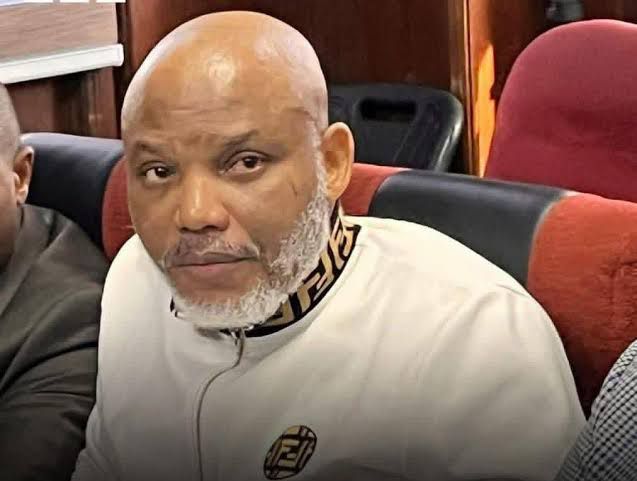
A major highlight of YOREM’s statement is its outright rejection of the life sentence handed to Indigenous People of Biafra (IPOB) leader, Mazi Nnamdi Kanu.
The group described his conviction as politically selective and emblematic of the longstanding inconsistencies in Nigeria’s justice system.
According to the statement, the treatment of IPOB stands in stark contrast to the leniency shown to violent groups such as armed herdsmen, a development YOREM said has worsened public distrust.
The group noted that the South-East’s exclusion from presidential power since 1999 reflects a deeper structural problem rooted in ethnic imbalance.
YOREM urged President Bola Ahmed Tinubu to revisit Kanu’s sentencing and explore all legal and political remedies, including pardon, as a step toward national healing. The group insisted that justice must not be shaped by ethnicity or political interests.
Beyond the Kanu matter, YOREM reiterated that Yoruba self-rule is no longer an abstract desire but a practical necessity.
They stressed that the Yoruba autonomy movement is driven not by violence but by the desire for fairness, safety, and effective governance—elements they believe have been eroded over time.
The group lamented that despite marking its 26th anniversary, there is nothing to celebrate.
Yoruba communities, like many across Nigeria, continue to endure widespread insecurity, rising poverty, displacement, and government neglect.
YOREM argued that the failure of leadership at multiple levels has pushed the Yoruba nation to the brink of demanding full independence.
The organization insisted that the Nigerian federation, in its current form, is unsustainable and cannot provide meaningful progress without major structural reforms.
According to YOREM, calls for restructuring have been repeatedly ignored, making autonomy the only viable path forward.
In its closing declaration, the movement reaffirmed its commitment to the Yoruba autonomy movement, stating that the campaign will continue with full determination until justice, equality, and self-governance are achieved.
“We insist on Yoruba autonomy. We insist on the right to self-determination. We insist on justice for all, including Nnamdi Kanu,” the group declared.
Observers note that YOREM’s renewed assertiveness comes at a time when Nigeria is experiencing some of its most challenging moments since independence.
Economic instability, security threats, political mistrust, and ethnic tensions have created an atmosphere where autonomy and separatist movements are gaining traction.
For many Yoruba people, the Yoruba autonomy movement represents a peaceful and democratic demand for political reform rooted in fairness and equity.
Analysts believe that unless the federal government takes meaningful steps to address grievances across all regions, agitation for autonomy—and potentially secession—will continue to rise.
As YOREM marks 26 years of activism, its message is clear: the time for cosmetic promises is over. What the Yoruba nation now demands is structural justice, political inclusion, and the right to decide its future unhindered.
Whether through true federalism or complete independence, the movement insists the Yoruba people will no longer endure systemic injustice.
More news at ireport247news
About the Author