

Voters in Republika Srpska elect new leader in a crucial snap vote shaped by Milorad Dodik’s dismissal, escalating autonomy debates, and deepening uncertainties throughout Bosnia’s fragile political landscape.
The election followed months of turbulence sparked by Dodik’s defiance of international oversight, igniting institutional conflict and triggering an urgent search for a successor able to restore political credibility and constitutional order.
Electoral authorities moved quickly after his removal, arguing that delaying the leadership contest would further destabilise institutions already strained by legal battles, escalating rhetoric, and ongoing disputes over administrative legitimacy.
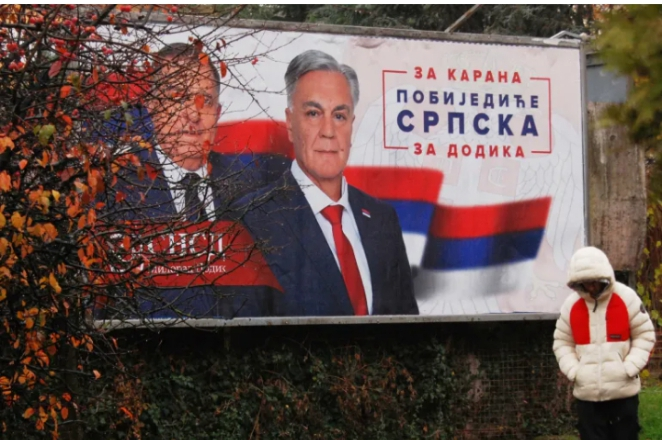
Campaign messages amplified the sense of crisis, framing the vote as a defining moment for governance, autonomy and the broader trajectory of political power within Bosnia’s delicate post-war structure.
Dodik’s supporters cast the contest as a referendum on external intervention, accusing international actors of undermining democratic autonomy, while critics argued that accountability and legal clarity were urgently required.
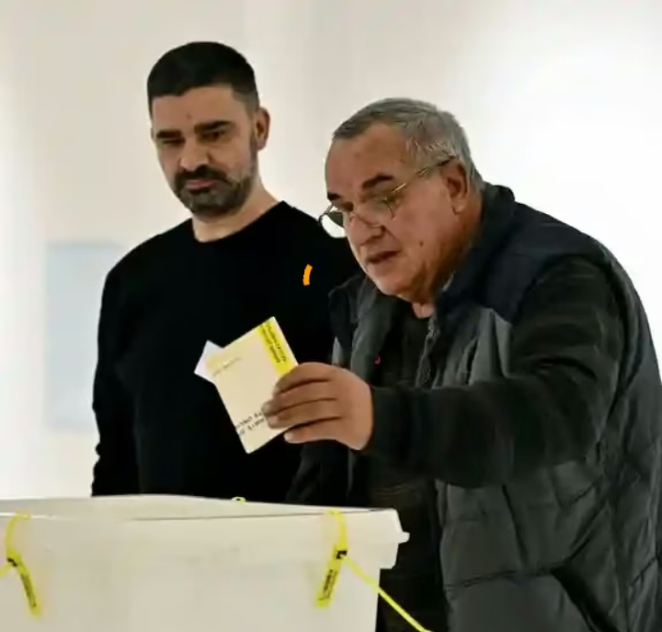
Turnout steadily increased throughout the day, reflecting strong mobilisation by party structures and heightened public awareness of the election’s significance for Republika Srpska’s future direction and regional stability.
Polling stations across cities and rural communities reported steady participation, and despite fears of disruption, the atmosphere remained largely calm, with security forces maintaining a consistent and reassuring presence.
Independent monitors circulated widely, documenting procedural issues but reporting no major irregularities, though some voters complained of long queues and limited staffing during peak morning hours.
The leading candidate, Sinisa Karan, campaigned on promises of continuity, pledging to defend institutional autonomy and advance policy priorities aligned closely with Dodik’s long-entrenched nationalist political agenda.
Karan highlighted his background in the interior ministry, insisting that security, governance and administrative resilience required experienced leadership capable of resisting what he described as politically motivated external pressure.
Opposition candidate Branko Blanusa offered a contrasting vision, calling for transparent governance, stronger institutional cooperation and renewed engagement with national and international structures overseeing Bosnia’s political framework.
Blanusa accused the ruling party of fostering systemic corruption, arguing that mismanagement had weakened the entity’s political standing and deepened economic challenges affecting communities across Republika Srpska.
Analysts said the campaign illustrated deep divisions, with debates revolving around constitutional interpretations, the High Representative’s authority and the evolving relationship between Republika Srpska and the central government.
Local media provided extensive coverage despite the short timeframe, broadcasting interviews, commentary and debates that highlighted competing narratives about governance, legitimacy and the future of regional autonomy.
Many residents expressed frustration that political crises overshadow daily needs, saying they hoped the new leader would prioritise stability, economic development and practical solutions instead of constant institutional confrontation.
Others insisted strong autonomy protections remained essential, especially given long-standing grievances over perceived international overreach and unresolved historical tensions still shaping political attitudes within the entity.
Community leaders reported that voters were motivated by a mixture of loyalty, anxiety and determination to influence a process many viewed as pivotal for Republika Srpska’s long-term trajectory.
The timing of the vote, occurring less than a year before the next general election, intensified debates about whether the incoming president could achieve meaningful policy implementation within such a short mandate.
Legal experts noted the unusual circumstances, explaining that few precedents exist for replacing a leader removed by international authority, underscoring the complex nature of Bosnia’s constitutional arrangements.
Some voters questioned whether the election could genuinely reset political tensions, arguing that entrenched rivalries and institutional disputes would continue regardless of the outcome or the winner’s political alignment.
Younger participants expressed mixed feelings, with many calling for improved employment opportunities and educational reforms while criticising political leadership for prioritising ideological battles over practical public investment.
Civil society organisations emphasised the importance of transparent vote counting, urging electoral bodies to publish detailed results promptly to maintain public confidence during the sensitive post-election period.
Political analysts warned that whichever candidate prevails will face immediate challenges, including balancing local demands, managing strained relations with national authorities and responding to international expectations for compliance.
Economists explained that persistent instability has slowed investment, reduced business confidence and discouraged long-term development planning, leaving many communities concerned about future economic prospects and employment opportunities.
Observers stressed that the vote’s significance extends beyond leadership succession, representing a broader test of institutional integrity within a political entity wrestling with unresolved post-conflict governance complexities.
International diplomats monitored developments closely, reiterating the need for leaders to respect constitutional mechanisms and adhere to legal obligations underpinning Bosnia’s political framework established under the Dayton agreement.
Some European officials privately expressed concern that secessionist rhetoric could escalate after the election if nationalist leaders interpret victory as a mandate to intensify demands for further autonomy.
Local activists countered that long-term stability requires accountability, judicial independence and reduced political polarisation, insisting that public institutions must prioritise citizen welfare over party-centred power struggles.
Older residents recalled previous periods of instability, warning that divisive political strategies risk deepening communal mistrust and undermining hard-won progress achieved throughout decades of post-war recovery.
As evening approached, poll workers prepared for counting, aware that preliminary results would shape public perceptions and potentially ignite heated political interpretations depending on narrow margins or disputed figures.
Many households followed updates anxiously, recognising that the next president will influence the entity’s relations with both national authorities and international bodies monitoring compliance with Bosnia’s political settlement.
Diplomatic observers emphasised that stability hinges on cooperation, not confrontation, urging whichever administration emerges victorious to address practical challenges rather than rely on inflammatory rhetoric for political capital.
Human rights groups urged the incoming leader to ensure institutional fairness, protect minority communities and strengthen governance standards to foster trust across a multi-ethnic political landscape still marked by historical wounds.
Business associations called for immediate economic action, stressing that companies require predictable regulations, transparent procurement systems and long-term development strategies to support sustainable growth across the region.
Educators and healthcare workers appealed for greater public investment, highlighting chronic underfunding that limits service quality and places additional pressure on families already strained by economic uncertainty.
Public sector unions demanded consistent wages and improved workforce protections, arguing that political instability has diverted attention from systemic administrative reforms needed to strengthen essential public institutions.
Political commentators predicted weeks of negotiation and public debate following the release of official results, as party leaders attempt to consolidate support and define the new administration’s priorities.
International organisations reiterated that continued monitoring would remain necessary, given ongoing legal disputes and the complex political environment influencing governance across Bosnia and Herzegovina.
Despite uncertainties, voters expressed hope that leadership renewal might encourage more pragmatic politics, though many doubted entrenched networks would willingly alter strategies centred on confrontation and patronage.
Communities across Republika Srpska now await confirmation of the vote count, aware that the chosen leader will inherit a politically charged environment dominated by disputes regarding autonomy, legality and reform.
The election marks another chapter in a long-running struggle over identity, governance and authority, raising difficult questions about how the entity’s future will align with Bosnia’s broader aspirations for stability.
As ballots continue to be tallied, the political landscape remains tense, and voters are left contemplating whether meaningful change will follow or whether the cycle of conflict will persist.
Regardless of outcome, Voters in Republika Srpska elect new leader under extraordinary circumstances, revealing deep divisions and enduring anxieties shaping the future of this contested political region.
About The Author


