The updated peace framework emerged after intense Geneva consultations, with officials insisting the revised approach strengthens Ukraine’s sovereignty while signalling a genuine shift in tone between both negotiating teams.
US Secretary of State Marco Rubio described the discussions as “tremendous,” arguing negotiators resolved earlier tensions and established a more unified foundation for exploring political, military and humanitarian dimensions essential for progress.
Ukrainian representatives stressed the necessity of protecting national dignity, acknowledging that clearer commitments help stabilise public confidence while demonstrating readiness to engage without undermining battlefield achievements.
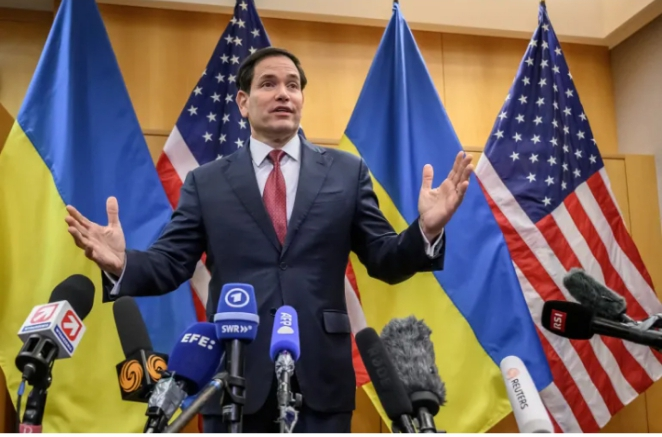
Rubio explained that adjustments directly addressed NATO concerns, clarifying that allied reassurance matters greatly because earlier proposals created anxiety in European capitals unsettled by Washington’s initial diplomatic posture.
Officials said neither side attempted to mask disagreements, but both recognised that confronting sensitive issues openly was indispensable for crafting realistic mechanisms that could endure post-war political turbulence.
Diplomats highlighted the constructive tone, noting it contrasted sharply with earlier sessions shaped by disputes over controversial provisions embedded in the first draft of the Trump 28-point plan.
Rubio insisted negotiators built on shared objectives, saying unresolved questions remained manageable despite time pressure and urging both sides to preserve the momentum generated through renewed engagement.
Observers noted that negotiators avoided releasing granular details, reinforcing speculation that clauses involving territorial boundaries and demilitarisation remain among the most delicate and politically explosive matters.
Ukrainian officials privately welcomed the meeting’s calmer atmosphere, crediting Washington’s willingness to revise language previously considered “demoralising” because it appeared to legitimise concessions Kyiv strongly rejects.
The updated peace framework reportedly centres on a more durable security infrastructure, proposing defence arrangements balancing Ukraine’s right to protection with safeguards aimed at preventing escalatory misinterpretations.
Rubio cautioned that Russia “still gets a vote,” emphasising that any settlement requires eventual dialogue with Moscow, notwithstanding profound mistrust and destabilising rhetoric from Kremlin officials.
Russian President Vladimir Putin signalled partial openness to the revised text, yet reiterated threats of deeper territorial advances should Kyiv refuse negotiations, prompting heightened anxiety among allies.
Ukrainian leaders reacted defiantly, arguing repeated threats highlight why durable guarantees are essential and why agreements perceived as rewarding aggression remain unacceptable under any circumstances.
European leaders expressed strong European objections, suggesting earlier proposals leaned too closely toward Russian demands, thereby failing to address fundamental principles shaping continental security and long-term democratic resilience.
Addressing these criticisms, Rubio insisted modifications were substantial, remarking, “We corrected critical elements to ensure the plan never leaves Ukraine strategically exposed or politically weakened.”
Diplomats confirmed discussions also focused on reconstruction priorities, emphasising that sustainable peace requires credible pathways for economic recovery, institutional strengthening and reintegration into transnational alliances.
European Commission chief Ursula von der Leyen reaffirmed that Ukraine retains the sovereign right to choose its own destiny, including formal entry into European political and economic structures.
Her statement was widely interpreted as a firm reminder that peace must not inhibit Ukraine’s strategic choices, particularly its aspirations for closer integration after years of existential conflict.
Kyiv echoed these views, insisting national morale depends on assurances that negotiations will not legitimise forced territorial losses or compromise values defended at immense human cost.
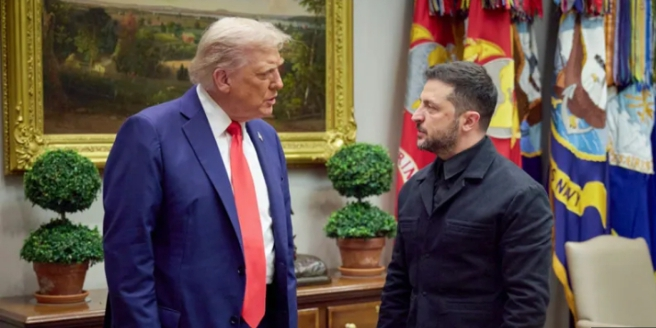
President Volodymyr Zelenskyy expressed gratitude for US commitments, noting publicly that the country remains “thankful for every effort supporting our defence and protecting our independent future.”
His comments followed criticism from President Trump, who accused Kyiv of insufficient gratitude and warned that the Trump 28-point plan carries a firm acceptance deadline.
Rubio attempted to ease tensions by suggesting gratitude disputes distract from essential work, saying negotiators must maintain unity to ensure realistic progress during an exceedingly narrow diplomatic window.
Analysts argued Trump’s public remarks complicated negotiations, with some suggesting that overt pressure risks reinforcing Ukrainian fears that Washington might prioritise political expediency over long-term stability.
Despite tension, Geneva envoys insisted cooperation remained intact, stressing that Ukraine recognises the strategic necessity of engaging constructively even when political rhetoric disrupts the diplomatic environment.
Officials said the updated peace framework remains a “living document,” meaning revisions will continue as negotiators refine language addressing sovereignty, security guarantees and humanitarian obligations.
Sources close to the talks said particular emphasis is being placed on crafting monitoring mechanisms, ensuring Russian compliance remains verifiable and breaches trigger immediate international responses.
Kyiv’s advisers stressed that verification frameworks are essential, warning that any agreement lacking enforcement tools could replicate previous failures that allowed incremental territorial encroachments.
European analysts said the negotiations reveal a broader struggle over Europe’s post-war architecture, highlighting competing visions of deterrence, integration and shared continental defence responsibilities.
The updated peace framework discussions also underscored profound questions about military posture, technological security and interoperability with Western systems, reflecting Ukraine’s long-term alignment ambitions.
Rubio acknowledged that final approval requires Moscow’s participation, noting that “even perfect agreements fail without counterpart buy-in,” though he warned the US will not accept coercive conditions.
Putin’s mixed messaging complicated efforts, with officials describing his signals as simultaneously encouraging and threatening, creating uncertainty about whether Moscow genuinely seeks a negotiated settlement.
Ukrainian analysts argued Putin’s stance reflects a strategy aimed at extracting concessions by projecting unpredictability, a tactic they say Kyiv’s diplomats must treat with utmost caution.
European diplomats insisted any settlement must uphold principles of international law, claiming compromises that legitimise aggression undermine Europe’s collective security and embolden future violations.
Kyiv’s leadership reiterated that the updated peace framework must preserve territorial integrity, insisting Ukraine will never endorse arrangements validating forced annexations or erasing internationally recognised borders.
Negotiators said discussions must continue beyond political timelines, emphasising that durable peace cannot emerge from arbitrary deadlines but from steady, principled diplomacy supported by global partners.
Officials remain cautiously optimistic, believing emerging consensus offers a meaningful path forward despite complex disputes, competing interests and persistent volatility across political and military landscapes.
As Geneva talks resume, diplomats express hope that sincerity, pressure and pragmatism may finally converge, opening a narrow but real opportunity to end a devastating war shaping the world’s future.
About The Author