The US Senators convened for a rare weekend session, determined to resolve the nation’s longest-ever government shutdown. Despite marathon negotiations, little progress emerged as partisan tensions deepened across Capitol Hill.
At the heart of the standoff lies a dispute over healthcare subsidies under the Affordable Care Act, testing both Democratic resolve and Republican unity as the crisis drags into week six.
The shutdown, now in its 39th day, has crippled essential services, delayed federal paychecks, and disrupted air travel and food assistance programmes that millions of Americans rely upon daily.
Senator Jeanne Shaheen of New Hampshire called the gridlock “unsustainable,” urging her colleagues to “choose governance over gamesmanship.” Her plea echoed across an anxious Senate chamber on Saturday evening.
President Donald Trump, however, remained defiant, urging Republican senators to redirect healthcare subsidy funds into direct payments for citizens, reigniting debate over the future of the Affordable Care Act.
Trump wrote on Truth Social that redirecting “hundreds of billions” from insurance companies would “empower Americans to buy their own healthcare,” though he offered no legislative framework for the plan.
The US Senators negotiating the compromise faced mounting pressure from both party bases as airlines cancelled flights and federal employees rallied outside government buildings demanding pay.
“I’m worried about the people, not the politics,” said Senator Lisa Murkowski, one of several moderates advocating for a temporary reopening of government operations to ease the economic pain.
Behind closed doors, bipartisan teams drafted proposals to fund key departments—veterans affairs, food programmes, and transportation—while extending debate on healthcare subsidies into early next year.
That partial funding approach, backed by Senator John Thune, sought to strike a balance between reopening government and maintaining leverage for future healthcare negotiations.
Still, Democratic leaders including Chuck Schumer remained firm that no reopening should occur without firm guarantees to extend ACA subsidies, arguing that millions risk losing insurance coverage.
“Doing nothing is derelict,” Schumer warned on the Senate floor. “Families will go bankrupt, people will lose insurance, people will get sicker.” His words underscored Democrats’ moral framing of the standoff.
The impasse also revealed deeper questions about governance as US Senators weighed whether to suspend the filibuster rule requiring 60 votes for passage—a move some warn could destabilize future legislative norms.
Al Jazeera’s Washington correspondent Mike Hanna described the atmosphere as “tense but weary,” noting that senators “appear trapped between constitutional caution and economic urgency.”
Republican leaders hesitated to eliminate the filibuster, fearing Democrats might later exploit the precedent when political tides shift—a reminder of Washington’s perpetual balance of power.
Meanwhile, economic analysts warned that the ongoing shutdown could shave up to 0.5 percent off quarterly GDP, heightening fears of a broader economic slowdown if the deadlock persists.
The White House dismissed such warnings, insisting that economic fundamentals remain strong. Yet businesses tied to federal contracts have already begun furloughing staff, echoing the strain seen during previous shutdowns.
At airports nationwide, travellers endured mounting delays as unpaid air traffic controllers called in sick, forcing airlines to cancel hundreds of flights and compounding frustration among passengers.
“I’ve worked for the FAA for twenty years,” said one anonymous controller. “This is the worst morale I’ve ever seen. We’re tired, unpaid, and unheard.”
Food aid programmes were similarly disrupted as federal warehouses halted deliveries, leaving community food banks scrambling to feed vulnerable families amid dwindling resources.
The US Senators facing voters’ wrath understood that the shutdown’s toll extends beyond Washington’s marble halls, eroding public trust in institutions already suffering credibility crises.
Political scientist Laura Montoya noted, “This shutdown has become a test of leadership. Voters are watching how senators respond—whether they choose principle or political theater.”
Moderate Democrats and Republicans huddled over draft bills late into the night, exploring ways to decouple healthcare funding from broader fiscal negotiations to break the legislative stalemate.
The proposal included temporary appropriations for the Department of Veterans Affairs and Supplemental Nutrition Assistance Program, offering a lifeline to millions dependent on federal assistance.
But without presidential backing, such measures faced uncertain futures. Trump’s refusal to entertain ACA extensions hardened the positions of both parties, turning compromise into political risk.
Senator Mitt Romney described the situation as “an unscripted constitutional stress test,” emphasizing that America’s democratic machinery depends on cooperation “even in moments of profound disagreement.”
Across Washington, federal workers protested under banners reading “End the Shutdown Now,” demanding that US Senators prioritize livelihoods over partisan loyalty as mortgage payments and medical bills piled up.
Some lawmakers began hinting at a broader reform conversation—rethinking budgetary deadlines, automatic funding provisions, and executive emergency powers to prevent future shutdown cycles.
Economists at the Brookings Institution warned that each week of closure deepens structural inefficiencies, from delayed infrastructure projects to missed agricultural subsidies, compounding costs for taxpayers.
Meanwhile, Senate staffers raced to finalize potential compromise language before Sunday’s session, aware that any breakthrough might hinge on a single vote crossing party lines.
Rumors swirled that Senator Susan Collins might bridge the divide, though aides neither confirmed nor denied reports of quiet discussions with both Schumer and Thune.
Analysts said the emerging bipartisan plan resembled a patchwork solution, unlikely to address underlying ideological rifts over federal healthcare spending that have haunted Congress for years.
Still, public opinion appeared to tilt against prolonged closure. A Pew Research poll found that 63 percent of Americans blamed Congress more than the president, demanding immediate reopening.
Democratic strategists viewed the sentiment as leverage, urging US Senators to “stand firm on healthcare and fairness,” while Republicans warned against alienating fiscal conservatives.
As the debate dragged on, Senate corridors filled with reporters seeking signs of breakthrough, though most lawmakers offered only guarded optimism or weary shrugs.
“We’re not enemies,” said Senator Chris Coons. “We’re custodians of a fragile democracy. Our people deserve a functioning government, not endless brinkmanship.”
His statement captured a rare note of unity amid chaos, reflecting the moral exhaustion permeating Washington after weeks of deadlock and public anger.
Veteran lawmakers recalled earlier shutdowns resolved through personal trust and informal dinners—a tradition largely absent in today’s hyperpolarized digital age of instant political posturing.
Political analyst Benjamin Rhodes observed, “This Congress lacks the relational glue that once enabled compromise. Now every vote is a battlefield, every statement a headline.”
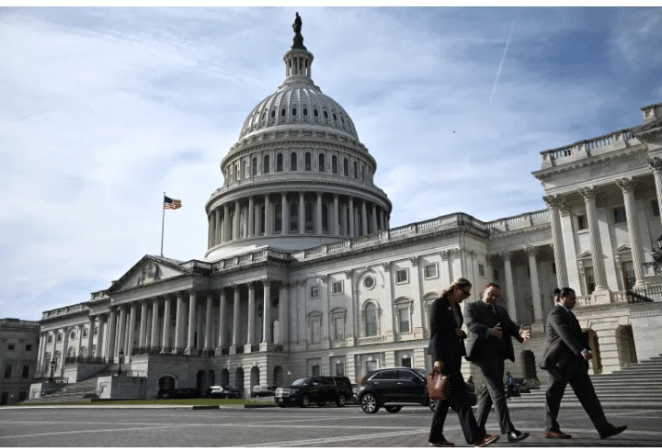
As night fell over the Capitol, exhausted US Senators adjourned with little progress, vowing to reconvene Sunday morning for another attempt at consensus.
Outside, protesters’ chants echoed against the Senate steps, a haunting reminder of the human cost behind political paralysis and the fragility of American governance.
The next session, scheduled for noon, may determine whether government offices reopen before Thanksgiving or remain shuttered through the holiday season.
For millions of citizens awaiting paychecks, healthcare clarity, or basic services, the outcome of these talks may shape not only policy but faith in democratic resilience itself.
As one senior aide put it, “This isn’t just about a budget—it’s about belief. If our leaders can’t govern, people stop believing the system can work at all.”
Whether the US Senators find common ground or deepen division remains uncertain, but the urgency for resolution has never been more palpable across a weary nation.
About the Author