Visitors entering the United States without visas may soon face stricter screening rules requiring them to share extensive personal records, including five years of social media history.
The proposed changes represent a significant expansion of data collected through the Electronic System for Travel Authorization, commonly used by citizens from visa-waiver countries visiting the United States briefly.
Officials argue the updated screening measures are intended to strengthen national security, although critics see them as intrusive and disproportionately burdensome for ordinary travellers worldwide.
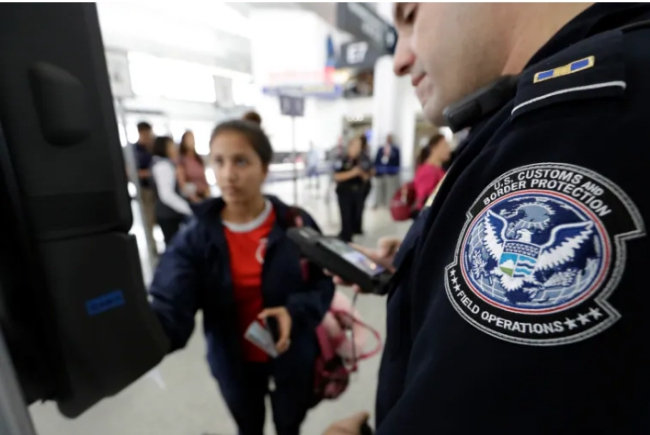
Under the new plan, travellers would submit multiple layers of digital information, including email addresses used over the past decade and telephone numbers associated with their identities.
Authorities say these steps are part of a broader strategy to enhance intelligence gathering and prevent potential threats before individuals reach any US port of entry.
The requirement for social media disclosure is not entirely new, though it has previously been optional and less comprehensive than what the latest proposal outlines.
Five years of social media history would include details from multiple platforms, adding new complexity for visitors who already struggle navigating US approval systems.
These updates apply to visitors from forty-two countries whose nationals are permitted to enter for short business or tourism stays without undergoing full visa processing.
The updated process aims to reduce reliance on rapid digital screenings and increase human-verified assessments, thereby strengthening confidence in preliminary security vetting mechanisms.
Many travellers may find compliance difficult, especially those who maintain numerous digital accounts or regularly change their social media platforms for personal or professional reasons.
Civil liberties groups warn the new measures threaten privacy rights by demanding more information than necessary for a short-term travel authorization application.
They argue the expanded data request resembles broad surveillance rather than targeted screening and could chill free expression among global social media users.
Officials also emphasise the gradual nature of the transition, noting the public will have sixty days to comment before the changes become finalized federal policy.
Beyond social media, additional information includes metadata extracted from recently submitted photographs, revealing technical details that authorities consider useful for identity verification.
Metadata could help identify photo origins, timestamps, device signatures and other details, creating new layers of assessment within evolving US border security systems.
The proposal also highlights plans to gather biometric indicators, including iris scans, fingerprints and potentially DNA samples to reinforce existing security frameworks.
Changes to family information requirements mean visitors may need to provide detailed profiles for relatives, including birthplaces and telephone numbers from the previous five years.
Critics question the necessity of requiring data about relatives who have no intention of travelling, arguing this step further expands government access into private lives.
The government says these additions help determine risks posed by individuals who could otherwise mask dangerous affiliations or hold unverifiable personal narratives.
Past US administrations have struggled to balance efficient border entry with heightened post-attack security expectations routinely demanded by national political stakeholders.
Supporters of the expanded vetting believe modern travel requires sophisticated approaches to track digital footprints, especially given the rise of internet-based radicalisation.
Opponents counter that increased scrutiny disproportionately affects travellers from friendly allied nations and undermines global trust in US immigration procedures long considered predictable.
Digital rights advocates note that social media history can be easily misinterpreted, especially when humour, political satire or translated statements are taken out of context.
They warn travellers may censor themselves to avoid misunderstandings or may avoid platforms entirely, altering normal behaviour simply to satisfy government protocols.
Humanitarian organisations argue the burden could fall most heavily on immigrants with mixed family backgrounds or those from countries with complex surname or identity systems.
Technology analysts suggest the proposal reflects broader global trends, where many governments increasingly rely on behavioural data to forecast and prevent risks.
The complexity of gathering data across multiple digital platforms also raises concerns about accuracy, outdated accounts and the sheer workload imposed on travellers.
Errors in matching email histories could lead to automated refusals, leaving visitors confused and without resources to challenge incorrect digital assessments effectively.
Airline industry observers worry the changes could slow boarding processes and complicate airline-based screening responsibilities already mandated under US travel laws.
Some experts anticipate longer wait times at airports as border officials adapt to handling additional data streams requiring confirmation and cross-checking.
International students, business travellers and frequent flyers may experience repeated compliance burdens, especially if multiple trips require revalidation of detailed histories.
Professional organisations representing travellers argue these requirements could deter tourism and business travel to the United States, affecting hospitality and trade sectors.
The proposal emerges alongside other immigration-related actions from the current administration, signaling a broader effort to reshape US border control policies comprehensively.
Observers note that social media verification has expanded globally, making the United States one of several countries adopting more aggressive digital-footprint screening.
Diplomats from visa-waiver countries are evaluating whether these requirements could affect bilateral relations or impose obligations their citizens may find unreasonable.
Privacy advocates insist the quantity of requested data far exceeds what is necessary for determining potential threats, essentially forcing travellers to surrender digital identities.
They argue the system creates an imbalance between national security interests and individual dignity, particularly when harmless online activity may trigger suspicion.
Legal scholars predict future court challenges over the constitutionality of collecting social media profiles from non-citizens seeking entry at international airports.
Some travelers worry the rules could expand further over time, eventually requiring disclosure of private messages, group memberships or encrypted communication channels.
Concerned experts urge policymakers to clarify how collected data will be used, stored, shared, and protected from unauthorized access or potential misuse.
The government has not explicitly stated what specific indicators it hopes to identify through reviewing years of social media histories from visa-waiver travellers.
Observers warn that judgment-based security models could unintentionally target individuals for harmless cultural expressions or misunderstood linguistic patterns.
Authorities emphasise that these measures follow a presidential directive urging tougher entry procedures following security incidents linked to visa overstayers and unvetted travellers.
The proposal continues earlier efforts to scrutinize digital behaviour across various visa categories, including employment visas requiring social media submissions.
Immigration policy analysts expect significant debate from citizens of allied nations accustomed to minimal procedural barriers when visiting the United States.
Public feedback during the sixty-day window will determine whether the final rules remain unchanged, are altered, or provoke lengthy bureaucratic negotiations.
Whatever decision emerges will likely shape global perceptions of American openness, digital monitoring practices and the evolving definition of modern border security.
Experts stress the need for transparency and proper oversight to ensure new systems enhance safety without compromising the rights of ordinary international visitors.
The debate reflects a pivotal question: should governments acquire unprecedented access to personal online histories in the pursuit of stronger national protection?
Travel advocacy groups say the outcome will influence future discussions about digital privacy, migration patterns and technological responsibilities placed upon travellers.
Even if approved, these rules will take time to implement, requiring new training, coordination and infrastructure across airports, embassies and security agencies.
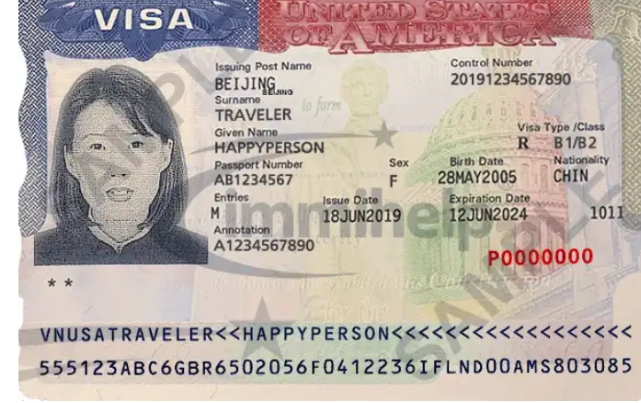
The proposal marks a major shift in how digital information is treated within global mobility systems, highlighting the increasing intersection between technology and travel oversight.
Observers warn the world is entering a new era where border checks extend beyond passports into years of personal expression, communication and online identity formation.
Read also: US House passes record $901bn defence spending bill despite opposition
If implemented fully, the requirement to provide five years of social media history will redefine expectations for millions seeking routine entry to the United States.
About The Author