The United States has carried out its 10th deadly boat strike, targeting a vessel in the Caribbean Sea allegedly involved in narcotics trafficking. All six people on board were killed.
The latest strike represents a continuing escalation in the Trump bombing campaign, which the administration describes as operations against narco-terrorists operating throughout Latin America.
Defense Secretary Pete Hegseth announced the strike on social media, identifying the victims as members of the Venezuela-based gang Tren de Aragua. Trump personally authorized the operation.
“This vessel was involved in illicit narcotics smuggling along a known trafficking route,” Hegseth wrote, offering no independent evidence to substantiate these claims or link the victims to organized crime.
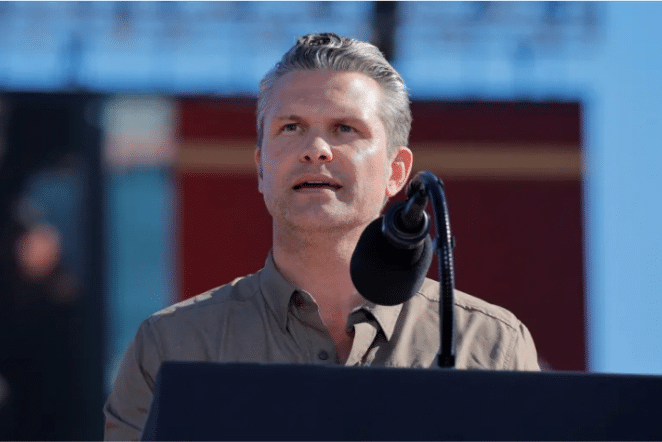
This strike marks the first time the US military attacked a boat at night. Hegseth likened the operation to counterterrorism measures used against armed groups such as al-Qaeda.
“If you are a narco-terrorist smuggling drugs, we will track, map, and kill you as we do with al-Qaeda,” Hegseth said, a statement drawing criticism from legal and human rights experts.
Human rights advocates questioned the legality of the strike, noting that international law restricts the use of military force abroad to self-defence or Security Council-approved operations.
UN specialists, including legal scholar Ben Saul, warned that such strikes may constitute violations of international law and could set dangerous precedents for unilateral military actions.
Leaders in Colombia and Venezuela condemned the campaign as “murder.” Families in Trinidad and Tobago and Colombia have claimed some victims were civilian fishermen, not drug traffickers, raising moral concerns.
The October 24 strike brought the campaign’s known death toll to 43 since it began on September 2, which initially killed 11 people in a first missile attack.
October alone has seen at least seven strikes, including two in the Pacific Ocean, marking a geographic expansion beyond the Caribbean and raising questions about US operational reach.
A previous attack on October 16 targeted a submersible, leaving two survivors who were later repatriated to Ecuador and Colombia. Ecuador released one man, citing no evidence of criminal activity.
Critics have likened the bombing campaign to extrajudicial killings. Families and human rights experts argue the strikes unlawfully target civilians, undermining international norms and raising ethical concerns.
Trump has defended the strikes as part of a broader national security strategy aimed at stemming the flow of illegal drugs into the United States and protecting American lives.
At a White House roundtable, Trump rejected the need for congressional approval, stating, “We’re just gonna kill people that are bringing drugs into our country,” referring to alleged narco-terrorists.
The Constitution grants Congress exclusive authority to authorise military action, though presidents have increasingly relied on Authorisations for the Use of Military Force to justify unilateral attacks.
Trump also cited the US drug overdose crisis to justify the campaign, claiming 300,000 Americans died from drugs in the past year, though CDC provisional data reports 73,690 deaths.
Under Trump’s argument, each boat strike supposedly saves 25,000 US lives, a claim that dramatically exaggerates the campaign’s real impact and lacks independent verification.
The campaign’s pace has intensified, with three strikes announced within three days this week alone, indicating a rapid acceleration in operations and an expanded target scope.
Despite criticism from legal experts and the international community, the Trump administration has indicated it will continue the campaign without seeking congressional approval.
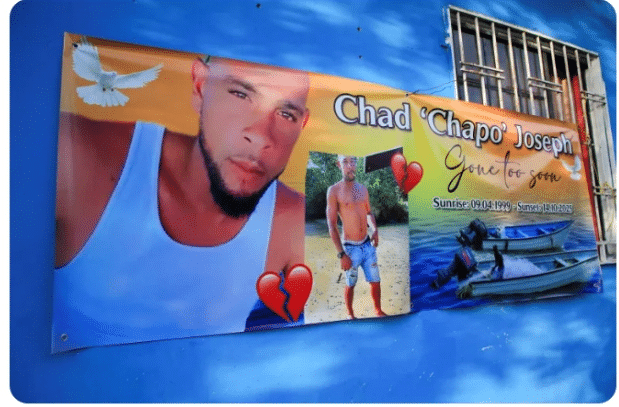
Families of victims maintain that innocent civilians have been killed. In Las Cuevas, Trinidad and Tobago, a banner honors Chad Joseph, who relatives claim was killed in one of the strikes.
Legal experts warn that strikes on civilians or without evidence linking targets to terrorism could violate treaties, including the UN Charter, which governs international use of force.
Designating cartels as foreign terrorist organisations does not automatically confer authority for lethal military action, particularly when civilian casualties are likely or targets are in international waters.
Human rights groups argue the US campaign could erode global norms governing military force, undermining accountability and emboldening other nations to take unilateral action abroad.
Colombian officials condemned the attacks as unjustified. Venezuelan authorities voiced similar concerns, emphasizing the strikes as illegal, violating sovereignty, and risking civilian lives in the Caribbean region.
The Trump administration frames rapid military action as necessary to prevent further drug-related deaths in the United States, portraying the bombing campaign as both strategic and humanitarian.
Legal scholars caution that even if cartels employ violence, that alone does not justify lethal military action under international law. Legitimate self-defence criteria remain largely unmet.
Trump has suggested potential overland strikes may occur in the future, which could dramatically increase regional tensions and heighten diplomatic friction with Latin American nations.
Media coverage of the strikes has highlighted the human cost, including images of destroyed boats and grieving families, raising public concern about the legality and morality of operations.
The campaign has drawn criticism for potentially destabilizing the region. Rapid, unverified strikes may increase the likelihood of mistakes, civilian casualties, and anti-US sentiment, complicating counter-narcotics cooperation.
Officials have yet to provide independent verification of narcotics or confirm that the targeted vessels were involved in trafficking, leaving significant questions about the evidence behind each operation.
Observers warn that the rapid pace of strikes could undermine intelligence accuracy, increasing the risk of targeting errors and civilian casualties in future operations.
Despite the controversy, Trump and Hegseth maintain that the strikes are necessary to combat the drug trade, framing alleged narco-terrorists as threats equivalent to international terrorist organizations.
Families affected by the strikes continue to seek accountability. The human cost is tangible, as communities mourn lost loved ones and question the legality and ethics of US military operations.
Trump insists on operational autonomy, suggesting that strikes may continue without consulting Congress, consistent with his broader policy rhetoric on narco-terrorists and the fight against illegal drugs.
International law experts, human rights organizations, and Latin American governments continue to call for accountability, emphasizing adherence to treaties and legal frameworks in future US operations.
The ongoing US deadly boat strike campaign illustrates the tension between national security justifications and international legal obligations, raising urgent questions about presidential authority and civilian protection.
Analysts predict continued controversy, legal scrutiny, and diplomatic consequences. Balancing counter-narcotics measures with human rights and international law remains a central challenge for the Trump administration.
As strikes continue, the international community monitors the campaign closely, questioning both the legality and morality of targeting alleged drug traffickers in international waters.
The US deadly boat strike strategy is highly controversial. Observers warn that continued operations without oversight may erode trust in international norms governing military force and accountability.
Families like Chad Joseph’s in Trinidad and Tobago continue to grieve. Their experiences underscore the human cost, highlighting the ethical and legal dilemmas inherent in the campaign.
The pace of US operations shows no signs of slowing. While the Trump administration frames the campaign as necessary for national security, critics argue that civilian deaths and international law violations overshadow the rationale.
About The Author