Les Wexner’s power– The release of newly unredacted records linked to Jeffrey Epstein has reignited long-running questions about the role played by Ohio billionaire Les Wexner in Epstein’s rise from relative obscurity to extraordinary global influence.
While Wexner has never been charged with a crime and continues to deny any knowledge of Epstein’s abuse, the latest disclosures have intensified scrutiny of a relationship that critics say was central to Epstein’s accumulation of wealth, access and protection.
For decades, Wexner has stood as one of the most powerful private figures in Ohio, a retail magnate whose fortune reshaped entire cities, institutions and cultural life.
Yet it was his decision in 1991 to grant Epstein sweeping power of attorney over large portions of his finances that remains one of the most controversial moments in the Epstein saga.
At the time, Epstein had no clear track record managing such wealth, but the association with Wexner instantly elevated his credibility, allowing him to circulate among financiers, politicians and global elites. Former investigators and survivors argue that this legitimacy was essential to Epstein’s later reach, even as serious allegations surfaced over subsequent years.
The newly released documents, part of a broader trove of Epstein-related files, name Wexner among a small group of individuals previously shielded by redactions.
Their publication has prompted renewed calls from lawmakers and advocacy groups for testimony and accountability, particularly as further records remain unreleased.
Critics argue that the incomplete nature of the disclosures continues to obscure the full network that surrounded Epstein, while defenders caution against equating association with culpability.
Much of the renewed attention has centred on New Albany, Ohio, a carefully planned town that became a showcase of Wexner’s influence.
Once a small rural community, New Albany was transformed into an affluent enclave of gated estates, corporate headquarters and elite amenities, with Wexner at its centre.
Epstein owned multiple properties there, including residences purchased through companies linked to Wexner and later transferred under unusual circumstances.
Records also show Epstein held a senior leadership title within the New Albany Company alongside Wexner, further underlining the closeness of their professional relationship.
Survivors have alleged that abuse occurred at Epstein-owned properties in New Albany during the 1990s, claims that form part of ongoing legal actions against federal authorities for alleged failures to investigate at the time.
One of those survivors, artist Maria Farmer, has said she attempted to alert law enforcement years before Epstein’s crimes became widely known, only to be ignored.
Wexner’s representatives have stated that he had no knowledge of Farmer, never met her and was unaware of any allegations involving Epstein during that period.
Additional allegations have come from other Epstein victims, including Virginia Giuffre, who claimed she was trafficked to powerful men as part of Epstein’s operation and alleged Wexner was among them.
Wexner has categorically denied these claims, with his attorneys stating he never met Giuffre and never participated in any abusive conduct. No criminal charges have been brought against him in relation to Epstein’s crimes.
Despite these denials, the renewed visibility of Wexner’s name in official documents has intensified debate about institutional responsibility, particularly at Ohio State University, where Wexner’s influence is deeply embedded.
His name appears across medical centres, arts institutions, student facilities and athletic complexes, reflecting hundreds of millions of dollars in donations made over decades through his foundations.
University officials have long credited Wexner’s philanthropy with transforming Ohio State into a global research and medical powerhouse.
That legacy, however, is now being re-examined. Ohio State is already contending with the fallout from a separate, decades-old sexual abuse scandal involving a former university physician, which has resulted in tens of millions of dollars in settlements.
Some former students and state legislators argue that the university’s continued association with Wexner risks further reputational damage, particularly given his historical role on the university’s board during the period in question.
Calls have grown for Ohio State to remove Wexner’s name from its facilities, though university policy states that naming removals occur only under exceptional circumstances.
The controversy surrounding Wexner has also taken on political dimensions as the Epstein files intersect with broader national debates.
The delayed release of records has drawn criticism from both activists and opposition lawmakers, some of whom accuse federal authorities of shielding powerful figures.
The issue has gained added sensitivity amid renewed scrutiny of Epstein’s past associations with political leaders, including Donald Trump, who has said he cut ties with Epstein years before Epstein’s first conviction.
Wexner, now in his late eighties, has largely withdrawn from public life but remains a central figure in Ohio’s civic and economic landscape.
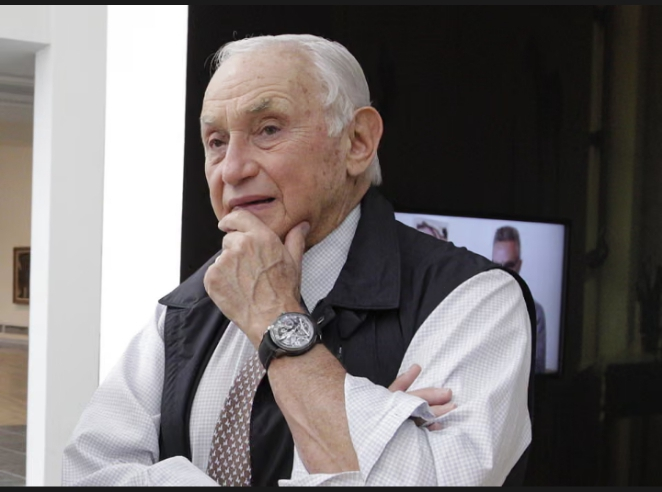
Through spokespeople, he has reiterated that he severed ties with Epstein, cooperated with federal investigators and would never have knowingly supported someone engaged in abuse.
Yet for critics, the question is no longer solely about criminal liability, but about moral responsibility, institutional complicity and the systems that allowed Epstein to operate for so long without meaningful intervention.
As additional Epstein documents are expected to be released in the coming months, pressure is likely to intensify on figures whose names continue to surface.
Whether that scrutiny leads to formal consequences or simply deepens public reckoning remains uncertain. What is clear is that the unredacted files have reopened unresolved questions about power, patronage and silence — and about how one of America’s most notorious crimes intersected with some of its most respected institutions
About The Author