The Ukrainian Olympian disqualification over tribute helmet has triggered an emotional response from the president of the International Olympic Committee, highlighting the growing tension between Olympic neutrality rules and the realities of war affecting athletes.
The decision to disqualify the Ukrainian competitor has drawn global attention and raised difficult questions about expression, symbolism, and fairness in international sport.
Vladyslav Heraskevych was disqualified from the skeleton heats at the Winter Olympics after wearing a helmet designed to honour Ukrainian athletes who have died during the ongoing war with Russia.
Officials ruled that the helmet violated Olympic regulations, despite the tribute being intended as a memorial rather than a political statement.

The International Olympic Committee said the disqualification was carried out under Rule 50.2 of the Olympic Charter. This rule explicitly bans political, religious, or racial demonstrations at Olympic venues and during competition.
According to officials, the Ukrainian team had been warned in advance that the helmet design did not comply with these regulations.
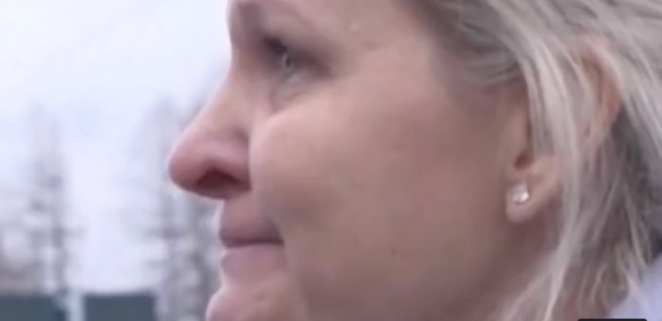
Speaking to journalists after the ruling, IOC president Kirsty Coventry became visibly emotional while addressing the situation. She said she had personally wanted to see the athlete compete and acknowledged the pain behind the decision.
However, she stressed that Olympic rules must be enforced equally to maintain fairness across all nations and competitors.
The Ukrainian athlete helmet controversy has reignited debate about whether the Olympic Charter is flexible enough to address modern conflicts.
Critics argue that commemorating fallen athletes should not be equated with political messaging, while supporters of the ruling insist that exceptions risk turning the Olympic arena into a platform for global disputes.
This Winter Olympics disqualification decision comes at a time when the war’s impact on sport is becoming increasingly visible. Ukrainian athletes have spoken openly about competing while their country remains under attack, adding emotional strain to already intense international competition.
The IOC has repeatedly stated that its neutrality rules are designed to protect athletes and preserve unity at the Games. Yet incidents like this continue to challenge that position, especially when symbolic gestures are deeply tied to loss and national trauma rather than partisan politics.
As the Olympics and political expression debate grows louder, pressure is mounting on sporting authorities to reconsider how rules are applied in extraordinary circumstances.
For now, the Ukrainian Olympian disqualification over tribute helmet stands as one of the most emotionally charged decisions of the Games.
The Ukrainian Olympian disqualification over tribute helmet has also intensified scrutiny of how Olympic rules are enforced in moments of global crisis. Sports law experts note that Rule 50.2 was originally designed to prevent overt political campaigning, not personal acts of remembrance.
They argue that the rigid application of IOC neutrality rules risks alienating athletes who see the Olympic stage as inseparable from their lived realities.
For Ukrainian competitors, the Winter Olympics disqualification has been particularly painful because many are competing while family members remain in danger at home.
Several athletes have said privately that the ban on symbolic gestures feels disconnected from the emotional burden they carry.
This has further fuelled the Olympics and political expression debate, with critics calling for clearer distinctions between political advocacy and humanitarian remembrance.
As the Ukrainian athlete helmet controversy continues to resonate, pressure is mounting on the International Olympic Committee to clarify or revisit its guidelines.
While officials maintain that uniform enforcement protects fairness, the incident has shown how modern conflicts are testing the limits of traditional Olympic governance.
Whether the rules evolve or remain unchanged, the Ukrainian Olympian disqualification over tribute helmet is likely to influence future decisions on athlete expression at the Games.
About the Author