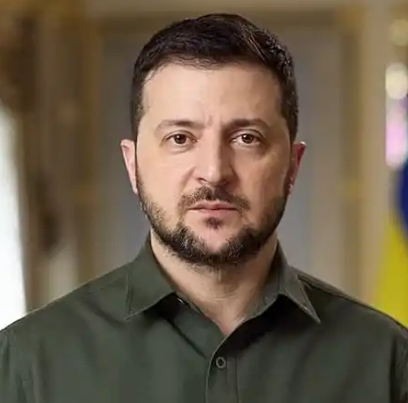
Ukrainian President Volodymyr Zelensky expressed gratitude to former US President Donald Trump following intensive peace talks in Florida aimed at ending the Ukraine-Russia war.
Officials from Ukraine and the United States held four hours of high-stakes discussions over the weekend, focusing on strategies to ensure Ukraine’s sovereignty amid ongoing Russian attacks.
Zelensky described the Florida meetings as “constructive” and emphasised that any future agreements must prioritise Ukraine’s territorial integrity and national security above all other concerns.
US Secretary of State Marco Rubio and Ukraine’s national security council secretary Rustem Umerov led the talks, seeking to establish a roadmap for long-term peace and stability.
Trump’s special envoy, Steve Witkoff, is scheduled to travel to Moscow on Monday for preliminary discussions with Russian President Vladimir Putin regarding potential ceasefire terms.
The Florida talks built on groundwork laid in Geneva, according to Rubio, and both sides stressed the importance of aligning peace negotiations with Ukraine’s future prosperity.
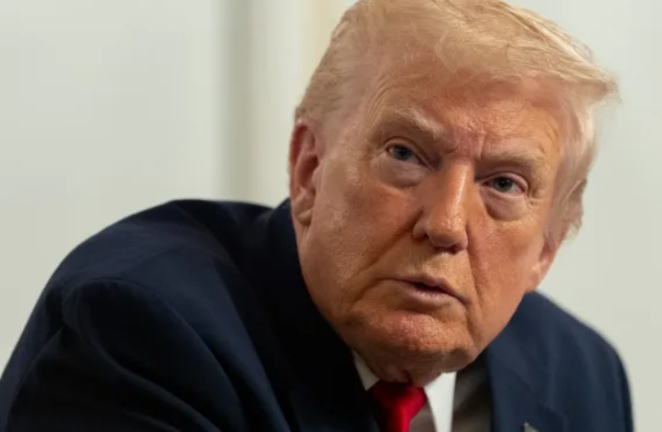
Trump publicly stated that discussions with Russia were “going along well,” signalling optimism over potential diplomatic breakthroughs, although no formal agreements have yet been signed.
Zelensky confirmed that Ukraine appreciates the US efforts, highlighting that international engagement remains essential to ending Russian military aggression and protecting civilians across the country.
The weekend discussions also focused on maintaining Ukraine’s military readiness while pursuing diplomatic solutions, balancing security guarantees with broader humanitarian concerns and reconstruction efforts.
Moldova reported another violation of its airspace by Russian drones, marking the third incident in nine days, raising concerns about regional stability beyond Ukraine’s borders.
NATO’s top military official indicated that the alliance is evaluating more assertive measures to counter hybrid attacks, including cyber operations and aerial drone incursions affecting member states.
Russia continued its aggressive drone and missile strikes over the weekend, killing civilians and targeting key energy and industrial infrastructure across multiple Ukrainian regions, including Kyiv and Dnipro.
A drone strike on the outskirts of Kyiv killed one person and injured eleven, illustrating the persistent threats faced by urban areas despite ongoing peace negotiations with Washington.
In Dnipro, Russian missile attacks claimed three lives and wounded at least eight, according to the acting regional governor, with damage reported to service stations and industrial facilities.
Rescue operations in Dnipro continue, with authorities assessing the extent of destruction caused by Russia’s persistent aerial bombardments in strategic Ukrainian cities and towns.
Meanwhile, Zelensky traveled to Paris to meet French President Emmanuel Macron, as European allies continue to coordinate security guarantees and support Ukraine during peace settlement talks.
France, Britain, and Germany have actively lobbied for Ukraine’s interests in post-war settlements, underscoring the importance of multilateral diplomacy alongside US-led negotiations.
Ukraine’s President stressed that securing European backing is crucial for long-term peace and ensuring that any ceasefire protects sovereignty and prevents renewed Russian aggression.
Military analysts have raised concerns about landmine usage, with reports indicating Ukraine’s withdrawal from the 1997 Mine Ban Treaty could affect both offensive and defensive operations against Russia.
The Landmine Monitor 2025 report recorded over 6,000 incidents in 2024, including nearly 2,000 deaths, with civilians—especially women and children—representing the majority of casualties.
Russia and Myanmar, as non-signatories, reportedly continue extensive landmine deployment, highlighting the challenges of civilian protection amid modern conflicts and violations of international conventions.
Ukraine also conducted a naval operation using Sea Baby drones to strike two Russian “shadow fleet” tankers in the Black Sea, disabling vessels worth nearly $70 million.
The Kairos and Virat tankers, operating off Turkey’s coast, were implicated in evading Western sanctions, reflecting Ukraine’s strategic targeting of Russia’s economic and military supply chains.
These drone operations demonstrate Ukraine’s evolving military capabilities, leveraging technology to offset Russia’s conventional superiority while simultaneously pressuring Moscow in parallel diplomatic talks.
Putin recently granted visa-free access to Russia for Chinese citizens, including businesspeople and tourists, further strengthening Sino-Russian ties amid ongoing economic sanctions imposed by the West.
The visa decree aligns with a broader “no limits” strategic partnership between Russia and China, reinforcing Moscow’s ability to mitigate isolation from Europe and the United States.
The Netherlands pledged an additional €250 million to the PURL Initiative for Ukraine, ensuring a continuous supply of weapons to Kyiv to sustain defensive operations against Russian offensives.
Nordic and Baltic nations previously announced a joint $500 million package, showing continued international financial and military support to bolster Ukraine’s resistance and maintain regional security.
Ahead of the Moscow talks, US officials met Ukrainian delegates in Washington to reassure them of continued American support for a comprehensive peace plan that safeguards sovereignty.
Negotiators are reportedly working on a modified version of a 28-point peace proposal, intended to address territorial disputes, security guarantees, and post-war reconstruction for Ukraine.
While optimism exists, Rubio emphasized that substantive work remains, particularly aligning military, economic, and humanitarian priorities to ensure peace talks produce a sustainable, enforceable outcome.
The weekend recap also noted ongoing Russian attacks on civilian areas, with more than 600 drones deployed alongside missile strikes, reflecting Russia’s commitment to disrupting Ukrainian infrastructure.
Russian forces targeted military-industrial and energy facilities, firing 36 missiles nationwide, resulting in at least six fatalities and multiple injuries, according to Zelensky, demonstrating continued hostilities despite diplomatic efforts.
Kostyantynivka, a frontline city in Donetsk, has endured repeated Russian assaults, highlighting the strategic importance of regional strongholds for both Ukrainian and Russian military planners.
International observers remain concerned that escalating conflict in cities like Donetsk and Dnipro could undermine diplomatic progress, emphasizing the urgency of linking military de-escalation to negotiations.
The coordinated response from NATO, the EU, and the US seeks to balance support for Ukraine with deterrence against broader Russian expansionism in Eastern Europe.
In addition to diplomacy, Ukraine continues leveraging technological innovation, including naval drones and precision strikes, demonstrating resilience while maintaining pressure on Russian logistics and economic interests.
Trump’s continued involvement, including the planned Moscow talks by Steve Witkoff, underscores the role of individual diplomatic initiatives in shaping multilateral approaches to ending the Ukraine-Russia war.
As peace talks progress, Ukraine prioritizes sovereignty, civilian protection, and economic recovery, ensuring that international commitments translate into tangible security and reconstruction measures.
The combination of diplomatic engagement, military resilience, and international support illustrates Ukraine’s multi-faceted approach to negotiating a settlement with Russia while safeguarding national interests.
Zelensky’s engagement with both Trump and European leaders reflects Kyiv’s strategic efforts to consolidate alliances and achieve a balanced peace settlement acceptable to both Western and regional partners.
The ongoing conflict underscores the complexity of modern warfare, where conventional military operations intersect with economic sanctions, hybrid attacks, and international diplomatic negotiations.
Ukraine’s strategy emphasizes long-term prosperity, demonstrating that sustainable peace requires not only a ceasefire but also comprehensive plans for reconstruction, governance, and civilian protection.
With international attention focused on the Florida talks, upcoming negotiations in Moscow, and European coordination, the outcome of the Ukraine-Russia peace process remains pivotal for regional stability.
Zelensky’s outreach to Trump and Western allies signals Kyiv’s determination to secure a durable settlement, ensuring sovereignty, security, and economic resilience for the Ukrainian population.
The next stages of peace talks will test the effectiveness of diplomacy, the credibility of international guarantees, and the ability of Ukraine and its allies to deter further Russian aggression.
While the conflict continues to impose severe human and economic costs, sustained negotiation, backed by military readiness, remains central to achieving a resolution acceptable to all parties involved.
Ultimately, Ukraine’s combination of strategic diplomacy, innovative military tactics, and robust international alliances will determine the prospects for lasting peace and regional security in Eastern Europe.
About The Author