

High-stakes Ukraine–Russia peace talks in Geneva opened on Tuesday under the shadow of intensified Russian military action, fresh European sanctions planning, and widening concerns over security across the continent.
The talks, brokered by the United States, mark the first time negotiations involving Moscow and Kyiv have been held on European soil since Russia launched its full-scale invasion nearly four years ago.
The decision to convene in Geneva underscores both the urgency of renewed diplomacy and the fragility of prospects for a breakthrough.
Hours before delegates arrived, Russia launched one of its heaviest aerial barrages in weeks, firing nearly 400 drones and dozens of missiles across Ukraine.
The strikes targeted energy infrastructure and civilian areas, prompting renewed condemnation from Kyiv and its allies.
Russian strikes overshadow diplomacy
Ukrainian president Volodymyr Zelenskyy described the timing of the attacks as proof that Moscow remains uninterested in good-faith negotiations.
He argued that diplomacy without pressure would fail, reiterating calls for tougher sanctions and accelerated military support.
Ukraine’s foreign minister echoed that view, saying Russia “only understands the language of strength” and warning that continued attacks undermine the credibility of peace efforts.
The comments came as delegations from Ukraine, Russia and the United States prepared for two days of discussions in Switzerland, with expectations deliberately kept low.
The Geneva meeting follows earlier rounds in Abu Dhabi and Istanbul, making it the first such talks hosted in Europe. US envoys, acting on behalf of president Donald Trump, are expected to shuttle between delegations rather than convene joint sessions.
Trump has sent mixed signals in recent days, alternately urging Ukraine to move faster toward negotiations while criticising both Kyiv and Moscow.
Speaking ahead of the talks, he warned that Ukraine “better come to the table fast,” remarks that caused unease among European allies wary of pressure being placed disproportionately on Kyiv.
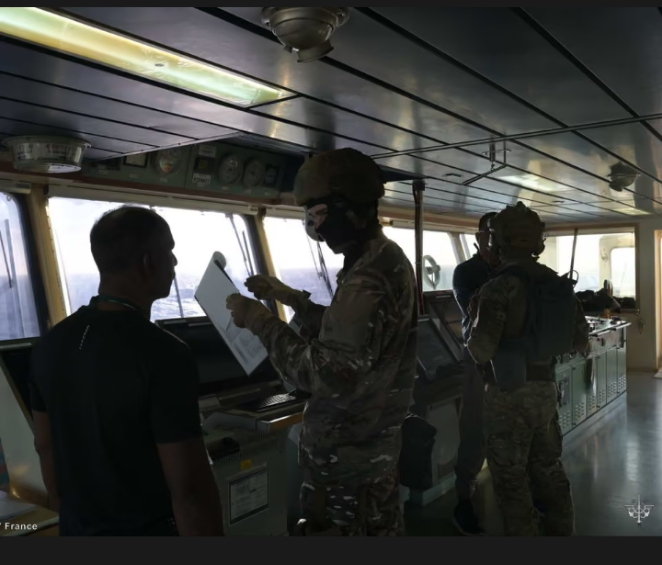
As talks opened, France announced the release of an oil tanker suspected of belonging to Russia’s sanctions-busting “shadow fleet,” after its owner paid a multimillion-euro fine.
The vessel, intercepted last month between Spain and Morocco, had been escorted to a port near Marseille following an investigation into false flag registration and opaque ownership.
French foreign minister Jean-Noël Barrot said the tanker’s detention demonstrated that evading European sanctions carries a cost. He added that France and its partners would continue targeting maritime networks used to finance Russia’s war effort.
The episode highlights the growing focus on Russia’s shadow fleet — an estimated 1,500 ageing tankers used to transport oil to buyers in Asia while circumventing western restrictions. European officials argue that curbing this trade is essential to reducing Moscow’s ability to sustain prolonged military operations.
Moscow threatens naval retaliation
Russia responded angrily to the tanker seizure and similar actions elsewhere. Nikolai Patrushev, head of Russia’s maritime board, warned that Moscow could deploy its navy to protect Russian-linked vessels from what he described as “western piracy.”
He claimed any attempt to impose a maritime blockade would be illegal and suggested Russian forces could target European shipping in retaliation. The remarks raised concerns about escalation at sea, particularly in busy shipping lanes linking Europe with global energy markets.
EU moves toward new sanctions
Against this backdrop, the European Union confirmed plans to adopt a 20th package of sanctions against Russia by 24 February, the anniversary of the invasion. EU officials said the measures would further restrict access to technology, finance and energy revenues used to support Russia’s military campaign.
The sanctions are expected to expand the list of shadow-fleet vessels and individuals targeted, as well as tighten enforcement mechanisms. European leaders hope the timing will reinforce diplomatic pressure during the Geneva talks, though some acknowledge sanctions alone are unlikely to shift Moscow’s core demands.
Battlefield momentum shifts
While diplomacy unfolds, developments on the ground have added another layer of complexity. Analysis of battlefield data indicates that Ukrainian forces recaptured more than 200 square kilometres of territory in eastern Ukraine over a matter of days — their fastest gains since mid-2023.
The advances reportedly coincided with a temporary disruption to Russian communications, highlighting the importance of technology and logistics in shaping the conflict. Analysts cautioned, however, that gains remain localised and fragile, with Russian forces continuing to hold substantial territory.
Security fears grow across Europe
Beyond Ukraine, concerns are mounting about Russia’s wider posture. Sweden’s military intelligence chief warned that Moscow has increased hybrid threat activities in the region and appears willing to take greater risks, regardless of developments on the Ukrainian front.
The assessment reinforces fears among NATO members that the conflict could spill further into cyber operations, sabotage and political interference across Europe. Officials argue this broader context makes the Geneva talks critical not only for Ukraine’s future but for continental security as a whole.

Low expectations, high stakes
Despite the flurry of diplomatic activity, few observers expect an immediate breakthrough. Russia continues to insist on far-reaching conditions, including territorial concessions that Ukraine has repeatedly rejected. Kyiv, for its part, says any agreement must be based on international law and the restoration of sovereignty.
Yet even limited progress — such as confidence-building measures or agreement on humanitarian corridors — could ease tensions at a pivotal moment. With sanctions tightening, military risks rising and public fatigue growing, the Geneva talks represent a narrow but important opening.
As Zelenskyy put it, peace will only be possible if diplomacy is backed by justice and strength. Whether the Geneva negotiations can deliver either remains uncertain, but their outcome is likely to shape the next phase of Europe’s most consequential conflict in decades.
Read also:UK payments system alternative gains momentum as banks seek Visa and Mastercard backup


