Ukraine air defense is undergoing a major overhaul as President Volodymyr Zelenskyy says military innovation will fundamentally transform how the country protects its skies, warning that Russia is preparing fresh large-scale drone and missile attacks.
Speaking as Ukraine continues to recover from recent strikes that crippled power and heating supplies in freezing conditions, Zelenskyy said the armed forces are introducing a new air defence concept designed to counter evolving Russian tactics more effectively.
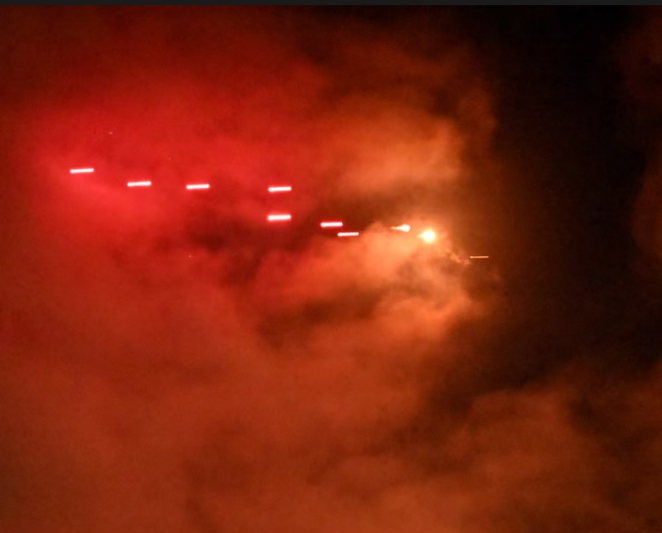
The Ukrainian president said the air force is deploying a new system built around mobile fire groups, interceptor drones and other short-range assets capable of responding rapidly to incoming threats.
According to Zelenskyy, this approach will allow air defence units to operate more flexibly and reduce vulnerability to saturation attacks.
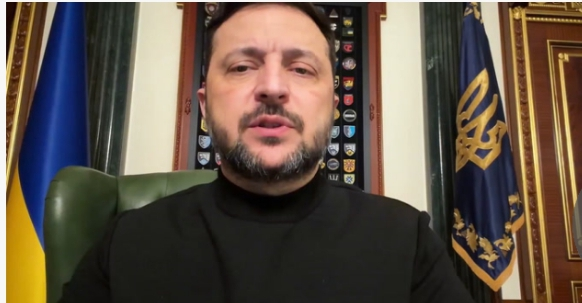
“There will be a new approach to the use of air defences by the air force, concerning mobile fire groups, interceptor drones and other short-range air defence assets,” he said in his nightly address.
“The system will be transformed.” He also announced the appointment of Pavlo Yelizarov as deputy air force commander, tasked with overseeing the development and implementation of the new strategy.
The push to strengthen Ukraine air defense follows a series of intense Russian drone and missile attacks earlier this month that left thousands of households without electricity and heating.
Several regions, including the capital Kyiv, experienced prolonged outages as temperatures dropped below zero. Ukrainian officials said the attacks were aimed at overwhelming existing defences and inflicting maximum pressure on civilians by targeting energy infrastructure.
Zelenskyy issued a stark warning that further strikes are imminent. “Russia has prepared for a strike, a massive strike, and is waiting for the moment to carry it out,” he said, urging citizens and regional authorities to remain extremely vigilant.
The president stressed that every part of the country must be ready to respond quickly, assist affected residents and restore essential services where possible.
Ukrainian intelligence agencies, according to senior officials, have detected Russian reconnaissance activity focused on specific high-value targets. Foreign minister Andrii Sybiha said these targets include substations linked to nuclear power plants, raising concerns about wider safety risks.
Energy minister Denys Shmyhal confirmed that Ukraine had briefed international nuclear watchdog officials on the threat of renewed Ukraine energy infrastructure attacks, including facilities critical to nuclear plant operations.
Those concerns were reinforced when Russian forces launched a combined drone and missile attack on Kyiv early Tuesday. City authorities said the strike caused power and water disruptions in several districts.
Mayor Vitali Klitschko reported that a non-residential building on the east bank of the Dnipro River was hit, injuring one person, while the Kyiv military administration said a storage facility was damaged and several vehicles were set ablaze by falling debris.
Despite the damage, Ukrainian officials said air defence units intercepted the majority of incoming threats. During an overnight assault on energy facilities across multiple regions, Russia launched 145 drones, of which 126 were shot down, according to the air force.
Nevertheless, electricity supply was disrupted in at least five regions, including Sumy, Odesa, Dnipropetrovsk, Kharkiv and Chernihiv. Emergency repair work began immediately in areas where security conditions allowed.
The development of Ukraine interceptor drones has become a central element of Kyiv’s defensive strategy. Military analysts say interceptor drones offer a cost-effective way to counter large numbers of low-flying attack drones, which are often used to exhaust traditional air defence systems.
By combining these drones with mobile fire groups, Ukraine hopes to create layered protection that is harder for Russian forces to bypass.
International monitoring bodies continue to assess risks around nuclear facilities. Officials confirmed that a back-up power line supplying the Zaporizhzhia nuclear power plant was reconnected after repair work carried out under limited ceasefire arrangements.
The line is one of two high-voltage connections supplying electricity to the plant, which remains under Russian control. Maintaining stable power, experts say, is essential to preventing nuclear safety incidents.
Beyond the battlefield, Ukraine faces growing political and logistical challenges. Organising national elections during wartime remains a contentious issue, with infrastructure damaged and millions displaced internally or abroad.
The head of Ukraine’s Central Election Commission said preparing an accurate voter registry and ensuring secure voting conditions would take significant time, adding that martial law currently prohibits elections.
Diplomatic efforts to end the war continued this week as senior Russian and Ukrainian officials engaged with international partners at global economic and political forums.
Ukraine’s chief negotiator said talks with US officials would continue, while reports indicated that Russia’s special envoy would also meet members of the US delegation.
As winter deepens and Russia maintains pressure on civilian infrastructure, Ukrainian authorities say strengthening Ukraine air defense remains an urgent priority.
Zelenskyy has repeatedly argued that innovation, adaptability and sustained international support are essential to protecting lives and maintaining critical services.
With further attacks expected, officials continue to urge the public to heed air raid warnings as Ukraine tests a new phase in its defensive strategy.