

Donald Trump’s pardon has shocked political analysts, granting clemency to Giuliani, Sydney Powell, and others involved in attempts to overturn the 2020 election results.
“This action underscores loyalty over accountability,” said Representative Jamie Raskin, emphasizing that Trump’s pardon may weaken legal scrutiny into the January 6 Capitol investigation.
Trump’s pardon covers members of the Trump legal team responsible for coordinating false elector schemes in Georgia, Arizona, and Michigan after Biden’s certified victories.
The White House announced the clemency list late Sunday, highlighting that 77 individuals tied to Trump’s 2020 election efforts received pardons.
Rudy Giuliani, once celebrated as “America’s Mayor,” is among the most prominent figures to benefit from Trump’s pardon, despite his disbarment and professional disgrace.
Sydney Powell, another recipient, gained notoriety for her unverified voter fraud claims, which fueled tensions and unrest in Washington during January 6, 2021.
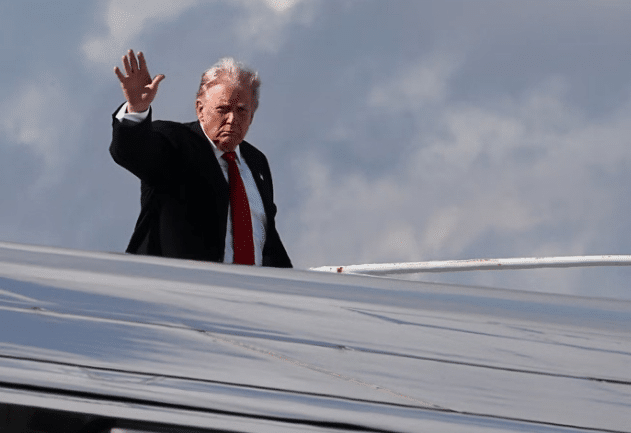
“The president has the authority to issue pardons,” said law professor Mary McCord, “but using it to absolve election interference participants challenges democratic norms.”
Trump’s pardon extends to members of the Trump legal team who participated in filing lawsuits across multiple battleground states alleging widespread voter fraud.
While none of these lawsuits succeeded, the legal efforts contributed to national debates over election integrity and the 2020 election controversy.
Trump did not pardon himself, but the clemency granted to key allies raises concerns over selective application of presidential authority.
Members of the Trump legal team, now pardoned, had coordinated with state legislators and conservative activists to submit alternate slates of electors.
“Such actions, regardless of pardon, remain troubling for the health of American democracy,” said political commentator Heather Cox Richardson.
Trump’s pardon was announced amid the Senate voting to end a 40-day government shutdown, suggesting strategic timing in the news cycle.
Legal analysts warn that pardons like these may embolden future actors to attempt similar schemes without fear of repercussions.
The January 6 Capitol investigation revealed extensive coordination among campaign lawyers, state officials, and political operatives aiming to overturn certified election results.
Despite repeated judicial defeats, the Trump legal team maintained a highly visible role in challenging election outcomes and influencing public perception.
Rudy Giuliani, representing Trump’s legal efforts publicly, became a polarizing figure, blending political advocacy with litigation that failed repeatedly in court.
Sydney Powell’s legal strategies, though largely discredited, were central to spreading misinformation, which contributed to national unrest and legal scrutiny.
“The fact that Trump’s pardon includes these individuals demonstrates a preference for personal loyalty over institutional accountability,” said Representative Adam Schiff.
Pardons were issued to attorneys and campaign allies involved directly in the 2020 election controversy, reflecting the president’s continued influence over his legal circle.
Trump’s pardon has revived debates about the limits of presidential clemency and the balance between executive power and judicial oversight.
Members of the Trump legal team named in the pardons participated in lawsuits attempting to challenge the legitimacy of vote totals in multiple states.
Courts repeatedly rejected claims of fraud due to insufficient evidence, yet the campaign continued to file affidavits and public statements alleging misconduct.
Trump’s pardon effectively shields these actors from future federal prosecution related to their election-related activities, raising concerns among civil rights advocates.
“This may have long-term implications for how the nation views presidential clemency,” said constitutional law expert Neal Katyal, citing potential erosion of trust.
The January 6 Capitol investigation documented direct communications between campaign lawyers, activists, and sympathetic lawmakers, showing a coordinated effort to influence electors.
Trump’s pardon, therefore, not only absolves legal participants but indirectly comments on ongoing political debates surrounding January 6 and electoral legitimacy.
Public reaction has been sharply divided, with Republican supporters praising loyalty, while Democrats and independent observers condemn the pardon as undermining democracy.
Rudy Giuliani and Sydney Powell have each commented publicly on the clemency, framing it as vindication of their efforts on behalf of Trump.
“The truth is finally recognized,” Giuliani said, describing the pardon as overdue justice for individuals targeted for political reasons.
Powell added, “Trump’s pardon is a recognition of the patriotic duty we fulfilled, despite national criticism and legal harassment.”
Critics argue that the pardon risks setting a dangerous precedent for partisan interference in future elections, particularly through alternate elector schemes.
Trump legal team members not pardoned face continued scrutiny, but the clemency list indicates the administration’s priorities in controlling post-election narratives.
Presidential clemency decisions historically have been contentious, but few have elicited the level of national debate as the recent Trump pardons.
“This action fuels further division and erodes trust in impartial governance,” said Senator Elizabeth Warren, reflecting Democratic concerns over electoral integrity.
Trump’s pardon also highlights the tension between executive authority and congressional oversight in maintaining checks on election interference.
The legal and political community continues to assess the implications for ongoing litigation, particularly cases involving Dominion Voting Systems and Smartmatic.
Court settlements, such as Dominion’s $787 million judgment against news outlets promoting false claims, illustrate the tangible consequences of election misinformation.
Trump’s pardon, while limited in scope, reverberates across these legal battles, influencing public perception of accountability and justice in post-election disputes.
Observers note that timing during a government funding crisis may have minimized immediate media backlash, but coverage remains extensive across platforms.
Members of the Trump legal team had previously coordinated messaging through media appearances and public statements, contributing to widespread misinformation.
Trump’s pardon does not erase the fact that these legal challenges failed, yet it shields participants from prosecution for actions central to the 2020 election controversy.
“The consequences of these pardons will echo in political discourse for years,” said journalist Glenn Thrush, citing the continued polarization over January 6 events.
Analysts note that presidential clemency decisions, while legal, carry significant symbolic weight, particularly when linked to attempts to subvert certified elections.
Trump’s pardon, in essence, merges political signaling with legal authority, highlighting ongoing debates about loyalty, justice, and accountability in American politics.
Public opinion is sharply divided, with supporters framing the pardon as fair treatment for loyalists, while opponents call it an affront to rule-of-law principles.
The January 6 Capitol investigation remains central to understanding the legal and political stakes surrounding Trump’s pardon and its long-term implications.
Members of the Trump legal team, previously criticized for aggressive litigation strategies, now enjoy immunity, raising concerns about deterrence for future election-related misconduct.
Legal scholars emphasize that Trump’s pardon could influence both ongoing lawsuits and legislative initiatives aimed at strengthening election integrity safeguards.
Rudy Giuliani, in particular, embodies the personal and professional consequences of election litigation, from acclaim post-9/11 to disbarment, yet now benefits from Trump’s pardon.
Sydney Powell’s media presence amplified claims of fraud, complicating public understanding of the 2020 election controversy and intensifying scrutiny from investigative bodies.
Trump’s pardon, therefore, serves as both legal relief for recipients and a provocative political statement, signaling continued influence over his loyal network.
Observers agree that presidential clemency decisions in this context will likely inspire debate over future limits on executive power and electoral accountability.
The broader U.S. political landscape faces renewed scrutiny as Trump’s pardon intersects with legal precedents, congressional oversight, and public trust in elections.
While the pardons target specific legal actors, their effects ripple across the nation, influencing perceptions of justice and legitimacy in American democracy.
Trump’s pardon represents a defining moment in the ongoing discourse over presidential power, the role of the legal system, and accountability after the 2020 election controversy.
Even as pardoned individuals celebrate, opponents argue the act undermines deterrence for those who might attempt similar interventions in future elections.
“The integrity of democratic institutions is at stake,” said law professor Laurence Tribe, referencing the combined impact of pardons and ongoing political activism.
Trump’s pardon may also shape political narratives heading into future campaigns, solidifying loyalty within his base while provoking opposition criticism.
Observers emphasize that the pardon, though legally sound, carries weighty implications for public confidence in electoral processes and the rule of law.
As investigations continue, including the January 6 Capitol investigation, the legal and symbolic significance of Trump’s pardon remains a focal point of national discussion.
About the Author




