

Nine months into Donald Trump’s presidency, the promise to “end inflation on day one” has unraveled dramatically. Americans continue reporting soaring prices and growing economic pessimism.
A new Harris poll reveals that 75% of Americans have seen their monthly expenses rise by between $100 and $749 this year, forcing families to cut essential spending.
Trump’s insistence that there is “virtually no inflation” has failed to convince voters. “I don’t need a government report to know my grocery bill has doubled,” said one mother.
Economists argue that Trump’s trade tariffs have worsened consumer prices instead of lowering them. The average household is paying $2,300 more annually due to import taxes, fueling the crisis.
While the White House touts a modest 2.9% inflation rate, public perception is grim. Over half of Americans believe the country is already in a recession.

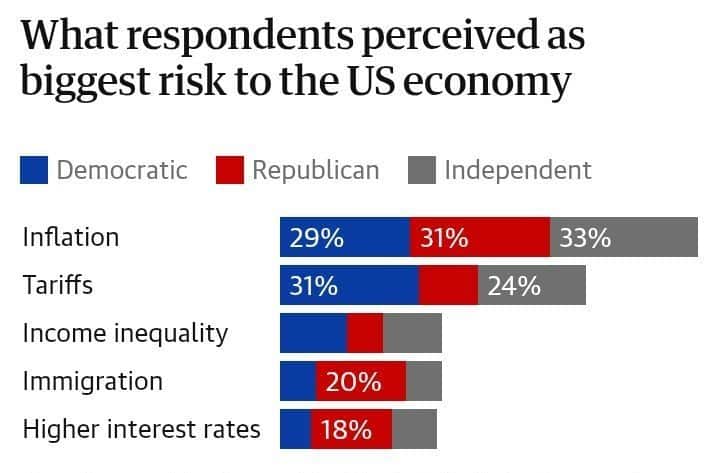
Economic pessimism has surged across political lines. 53% of Americans say the economy is worsening, while Republicans and independents are equally concerned about shrinking purchasing power.
Some voters blame global disruptions, while others cite government mismanagement. Independents, caught in the middle, report skepticism toward both parties’ ability to solve the crisis.
Experts warn that political rhetoric cannot mask reality. “You cannot tweet away higher prices,” said a Georgetown economist. The inflation issue is becoming a credibility test for the administration.
Trump’s political messaging appears increasingly hollow as voters struggle with shrinking paychecks, rising rents, and declining savings. Americans feel betrayed by promises of immediate economic relief.
Trade policy continues to inflame the issue. Analysts say tariffs on steel, electronics, and food have backfired. Consumers are paying the cost of the administration’s trade policies.
Even some Trump supporters are losing patience. “We voted for relief, not excuses,” said a Texas voter, reflecting frustration with the growing disconnect between promises and reality.
Rising consumer costs remain a daily struggle for millions. Grocery, rent, and fuel prices continue increasing while modest wage gains fail to offset inflation pressures.
Household confidence is declining sharply. Nearly 60% of Americans report feeling worse off financially than last year. Anxiety over spending power is now a national concern.
Independents who helped Trump win in 2024 are now skeptical. Once evenly split, their pessimism reflects frustration with both parties’ failure to address price increases effectively.
Seniors with fixed incomes struggle to keep up with rising prices. Younger workers postpone homeownership while credit costs increase, leaving many feeling trapped by economic pressures.
Democrats are seizing the opportunity to revive consumer-focused policies, including expanded child tax credits, stricter price gouging laws, and protections for vulnerable households affected by inflation.
Despite policy proposals, reversing economic pessimism requires visible relief. Americans want tangible changes to stop financial erosion caused by high costs, tariffs, and stagnant wages.
Small businesses are particularly affected. Retailers warn of reduced sales and shrinking margins as import taxes drive prices higher. Many stores fear closures from sustained economic pressure.
Trump’s economic messaging contrasts sharply with visible struggles. Many Americans question whether “America First” trade and fiscal policies can truly reduce household costs.
Analysts predict continued turbulence unless tariffs ease and energy prices stabilize. Coordinated policy reforms will be necessary to curb consumer costs and rebuild public confidence in the economy.
The political stakes are high. Midterm campaigns will be shaped by voter perception of economic competence. Rising costs and anxiety dominate conversations ahead of the elections.
Financial insecurity has become a daily reality. Families report cutting back on essentials and delaying major purchases, while the wealthiest Americans benefit disproportionately from current tax policies.
Rising food prices hit low-income households hardest, forcing tough choices between nutrition and other essentials. The inflation impact is uneven but broadly disruptive, fueling public dissatisfaction.
Credit card debt is increasing as families borrow to cover necessities. Personal loans and revolving credit reflect the pressure on households navigating higher costs in an uncertain economy.
Federal programs providing relief are unevenly implemented. Some policies, such as child tax credit expansions, are helping families, but broader structural reforms remain delayed and contested politically.
Even voters supportive of Trump express frustration over implementation gaps. Promises of ending inflation on day one are perceived as empty, exacerbating skepticism about government accountability and leadership.
Energy costs remain volatile. Gas and electricity prices continue to rise, adding pressure on households already strained by tariffs and general inflation. Consumers feel the pinch monthly.
Housing affordability has worsened. Mortgage rates and rent increases combine with inflation to create financial pressure, leaving many renters and first-time buyers struggling to maintain stability.
Health care costs continue to rise. Insurance premiums and prescription expenses add to household strain, compounding the effects of rising consumer costs and fueling broader economic pessimism.
Transportation expenses are climbing. Car payments, fuel, and insurance increase household expenditures, leaving little room for discretionary spending. Americans feel squeezed in nearly every category of living costs.
The disparity between political messaging and lived experience is stark. Voters increasingly distrust official statements as daily life reflects a persistent US inflation crisis.
The midterm elections could hinge on public perception of economic competence. Rising costs and declining household confidence may determine political outcomes more than party loyalty.
Experts warn that without substantial reform, the US inflation crisis will persist. Fiscal and trade policies must address both tariffs and energy costs to restore consumer confidence.
For many Americans, hope feels distant. Families report making daily financial sacrifices, reflecting the cumulative impact of persistent inflation, tariffs, and stagnant wages on everyday life.


