Donald Trump stunned Washington by publicly declaring he no longer backs Marjorie Taylor Greene, igniting fierce debate as Trump withdraws support during a tense build-up to next week’s Epstein files vote.
The dramatic rift widened instantly, with Trump accusing Greene of going “far left” and branding her a “lunatic,” remarks that advisers described as “unusually sharp” even by his combative standards.
Greene fired back within minutes, posting screenshots and claiming Trump was “making an example” of her to intimidate Republicans preparing to vote on forcing the release of Epstein-related documents.
The clash added fresh turbulence inside the GOP, with insiders saying the moment felt “like a warning shot” from a president determined to maintain absolute discipline ahead of key legislative battles.
Trump wrote on Truth Social that he could no longer endorse Greene, insisting she had “lost her way,” while allies said the decision was months in the making as frustrations quietly built.
Greene, long a high-profile Trump defender, insisted she was being punished for demanding transparency on the Epstein scandal, calling the timing “too convenient to be a coincidence.”
Her criticism of the administration during the recent shutdown reportedly worsened the relationship, with one aide saying Trump felt she was “grandstanding” by targeting him during a fragile political moment.
The congresswoman, who famously wore a MAGA hat to Biden’s 2024 State of the Union, said she had “remained loyal,” accusing Trump of abandoning principles instead of supporting accountability.
Recent tensions over healthcare subsidies deepened disagreements, with Greene insisting ordinary families were being “left behind” as federal cuts loomed. Trump allies dismissed the remarks as “performative.”

Greene’s push for full transparency on Epstein files placed her at the centre of one of Washington’s most explosive controversies, intensifying scrutiny of powerful figures across both parties.
Her posts suggested Trump feared the files’ release, claiming he was “fighting harder to stop documents than he fights for Americans,” a statement that instantly went viral among critics and supporters.
Greene accused Trump of attempting to “scare Republicans,” saying the pressure campaign was aimed at deterring colleagues who might support the bipartisan petition demanding disclosure of the Epstein archive.
Speaker Mike Johnson confirmed the House will vote next week on whether to compel the Department of Justice to release all remaining Epstein-related documents, a decision Greene said was “long overdue.”
The vote became possible after Greene and three other Republicans signed the discharge petition, bypassing leadership and triggering what analysts called “one of the most unusual bipartisan maneuvers this year.”
If approved, the measure will mandate the release of travel records, flight logs, and all names connected to the Epstein investigation, including those referencing Ghislaine Maxwell.
The push follows newly released emails linking Trump more closely to Epstein, sparking heated exchanges on Capitol Hill and renewing questions about decades-old social connections between powerful elites.
One email cited Epstein telling Maxwell that Trump spent “hours” at his residence with an abuse victim, a claim the White House immediately condemned as “meaningless noise.”
Trump repeatedly insisted the scandal is a “hoax,” accusing Democrats of weaponising unverified allegations to damage him politically and distract from what he called their “policy failures.”
Greene, however, told reporters Trump’s refusal to support document release was “a huge miscalculation,” insisting she does not believe he is guilty but arguing transparency is the only path forward.
The former president claimed the rupture began long before the Epstein dispute, saying he simply advised Greene against running for governor or senator because her polling was “terrible.”
He accused her of sulking because he no longer returns her calls, adding that he deals with “219 Congress members, 53 senators, 24 Cabinet officials, and nearly 200 world leaders daily.”
A senior adviser said Trump felt Greene became “unmanageable,” describing her criticism during the shutdown as “the final straw” and insisting the decision was not tied to the Epstein vote.
Georgia Republicans appear divided, with some praising Trump for “re-establishing order” and others warning the move could energise Greene’s supporters, who remain highly influential in rural counties.
Trump said Georgia voters were “fed up with her antics,” pledging full support for any primary challenger who can bring “loyalty, discipline, and common sense” back to the district.
Greene, however, claims constituents have rallied behind her, saying voters want “courage, not blind obedience,” while accusing Trump allies of “fearmongering” to silence dissenting conservatives.
Analysts say the rupture exposes widening ideological fractures inside MAGA-aligned circles, where loyalty to Trump competes with the emerging transparency movement around the Epstein files.
The dispute arrives as Republicans attempt to stabilise after a bruising shutdown, with strategists warning that internal conflict could weaken negotiations on immigration, spending, and foreign policy.
While Trump typically benefits politically from public clashes, analysts say this one is riskier, as Greene’s base overlaps significantly with Trump’s most committed grassroots support.
The controversy grew further when Greene alleged Trump’s team tried pressuring her staff, claiming “they want total obedience,” a charge dismissed by the White House as “nonsense.”
As the Epstein files vote approaches, political observers say the stakes are unusually high, with potential implications for credibility, public trust, and high-level reputations across Washington.
Greene vowed to continue pushing for full disclosure, stating “the truth will always come out,” while Trump supporters dismissed her campaign as “attention-seeking theatrics.”
Next week’s vote is shaping up as one of the most consequential transparency showdowns in recent congressional history, with both parties preparing for possible political fallout.
Some Republicans privately fear the feud might overshadow the vote itself, turning a sensitive bipartisan action into another high-intensity MAGA power struggle played out in public view.
Democrats, meanwhile, have seized on the split, arguing it signals “chaos and fear” within the GOP, though several insist transparency should remain the primary focus, not political spectacle.
Both Trump and Greene now appear committed to escalation, with neither showing interest in reconciliation, making the rift one of the most significant fractures in their long political alliance.
If Greene emerges stronger after the vote, analysts say she could become a counterweight within pro-Trump circles. If not, Trump’s show of strength may reconsolidate internal party control.
Either way, the week ahead promises a dramatic collision of personalities, power, and public expectation, shaped by legal uncertainty and a Congress searching for stability.
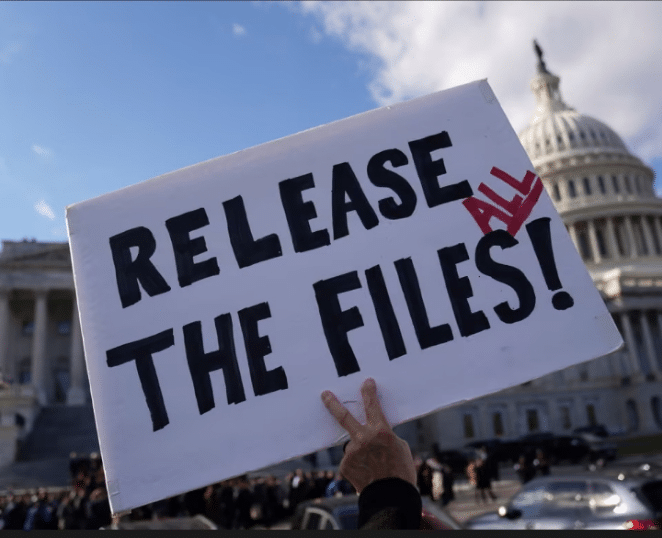
As Washington braces for the vote, “Trump withdraws support” has become the defining storyline overshadowing all other political developments, intensifying pressure on both sides to justify their actions.
About The Author