Trump wants China’s help to deal with wartime Russia, a gamble that mixes hope with high risk. His diplomatic outreach to President Xi Jinping could reshape fragile global power equations.
Trump’s call for cooperation arrives amid a tense climate. The United States, China, and Russia now circle one another in suspicion, economic rivalry, and mutual dependence unlike before.
At stake is more than peace in Eastern Europe. Analysts believe a U.S.–China understanding could freeze or end the war, but geopolitical calculations complicate such expectations deeply.
“If Beijing wanted to end this war, it could do it in days,” remarked a European security researcher, stressing how much Russia depends on Chinese technology and trade.
Beijing currently supplies critical parts for drones, chips, and fiber-optic components essential to Russia’s battlefield advantage. Cutting them off could cripple Moscow’s logistics almost overnight, experts say.
But China profits handsomely from this wartime arrangement. It buys discounted Russian oil, metals, and gas while exporting dual-use items, gaining leverage against Western sanctions and expanding economic influence across Eurasia.
That is why, as Trump wants China’s help to deal with wartime Russia, he also faces criticism that the outreach may empower Beijing’s global strategy more than restrain it.
Trump insists otherwise. “I want peace and stability,” he told reporters last week. “We can work with China if it means stopping this war and saving lives.”
His confidence contrasts sharply with skepticism in Washington. Many lawmakers warn that negotiations could allow Beijing to appear as peacemaker while quietly tightening ties with Moscow’s industries.

According to U.S. intelligence assessments, over eighty percent of Russia’s essential drone parts and digital sensors originate from Chinese manufacturers. That dependency forms Trump’s main pressure point in talks with Xi.
Diplomats familiar with the upcoming Seoul meeting say Trump will propose a “mutual restraint pact” linking trade concessions to China’s commitment to reduce exports aiding Russia’s war efforts.
Yet Beijing has little incentive to concede easily. “China doesn’t give gifts,” said an Asian affairs scholar. “Xi will weigh every advantage before supporting any American-led peace plan.”
Still, Trump wants China’s help to deal with wartime Russia because he believes the economic strain on all sides might push Beijing toward pragmatic compromise rather than prolonged instability in Europe.
Ukraine’s leadership supports this approach cautiously. President Volodymyr Zelenskyy told reporters that any U.S.–China dialogue “that limits Russia’s resources helps us all, provided it doesn’t come with hidden costs.”
Kyiv’s appeal is rooted in desperation. The war has devastated infrastructure and industry, while foreign aid is slowing. Any diplomatic shift that squeezes Moscow financially could shorten the fighting.
But critics inside the Pentagon argue Trump’s method risks undermining alliances. “If China becomes the broker, NATO’s relevance declines,” one defense official warned, calling it a potential “strategic miscalculation.”
During his first term, Trump’s relations with Beijing deteriorated over tariffs, technology restrictions, and accusations of currency manipulation. Reviving trust now will require balancing toughness with transactional incentives.
Observers note that Xi views these talks as an opportunity to position China as indispensable to peace. “Every step enhances Beijing’s image as the rational superpower,” said a policy adviser in Brussels.
That perception troubles Western allies who fear a divided transatlantic front. As Trump wants China’s help to deal with wartime Russia, Europe worries that Washington could compromise unity for short-term political gain.
Inside China, state-run commentaries portray Trump’s outreach as recognition of Beijing’s growing clout. “America cannot resolve global crises without China,” one editorial stated bluntly, signaling confidence ahead of the summit.
Meanwhile, Moscow watches warily. Russian officials privately admit anxiety that China’s negotiations with the U.S. could limit access to key imports or expose economic vulnerabilities under Western scrutiny.
Kremlin spokespersons downplay such fears publicly, claiming “strategic partnership remains unshakable.” Yet analysts detect unease, noting that Russia’s dependence on Chinese trade gives Beijing quiet leverage behind the scenes.
A senior European diplomat observed, “If Trump persuades Xi to cut supplies, Putin loses his industrial lifeline. But if Xi refuses, China gains dominance over both adversaries.”
The irony is stark. By seeking Beijing’s cooperation, Trump could either corner Moscow diplomatically or inadvertently accelerate China’s ascent as the chief global powerbroker of this decade.
Still, Trump wants China’s help to deal with wartime Russia because he views transactional negotiation as preferable to open confrontation. To him, personal diplomacy remains his signature political instrument.
He reportedly plans to offer limited tariff relief and access to Western markets for select Chinese sectors, hoping to secure concessions that restrict Russia’s war supply network.
Economic analysts, however, warn such moves could backfire. “Any tariff rollback strengthens China’s position in manufacturing and chips,” said an economist, “without guaranteeing compliance on Moscow.”
Even so, markets have responded with cautious optimism. Investors see potential de-escalation as beneficial for trade routes, energy prices, and global supply chains battered by sanctions and conflict.
Across Europe, opinion is divided. Some leaders quietly endorse Trump’s initiative, arguing that any path leading to dialogue beats endless escalation. Others view it as naive brinkmanship.
Publicly, Trump maintains confidence. “We’re looking for solutions that make sense for everyone,” he said, emphasizing that “great deals require strong partners.” His phrasing echoed campaign-style bravado familiar to supporters.
Yet his critics argue peace cannot be reduced to a deal. “You can’t negotiate stability like real estate,” a former diplomat commented, warning against transactional diplomacy in wartime crises.
Nonetheless, as Trump wants China’s help to deal with wartime Russia, his boldness has reignited debate over America’s role: peace broker, power balancer, or opportunistic strategist seeking a quick global win.
Beijing’s own motivations remain opaque. Xi seeks stability for China’s export markets while testing Washington’s resolve. A drawn-out war benefits neither, but peace on U.S. terms benefits neither as well.
Strategically, both sides might prefer a “frozen conflict” that halts fighting without resolving political questions — preserving influence without surrendering leverage, a scenario experts privately call “managed tension.”
In this delicate dance, Trump’s gamble could either produce a symbolic breakthrough or deepen divisions among global powers. Success would require trust — the rarest currency in geopolitics.
Few diplomats expect dramatic outcomes in Seoul. Yet even small gestures — limited technology restrictions or reduced oil trade — could signal a shift toward measured cooperation after years of rivalry.
For ordinary citizens watching fuel costs, inflation, and instability rise, the hope is simple: that political theater finally gives way to genuine efforts toward lasting peace.
Still, the risk remains that Beijing uses the talks to expand economic dominance, positioning itself as mediator while quietly reinforcing Moscow’s survival through indirect channels.
That paradox defines the current moment. Trump wants China’s help to deal with wartime Russia, yet the outcome could strengthen the very alliances Washington once sought to contain.
Whether history judges his gamble as visionary or reckless will depend on outcomes beyond his control — market responses, battlefield shifts, and Beijing’s strategic patience.
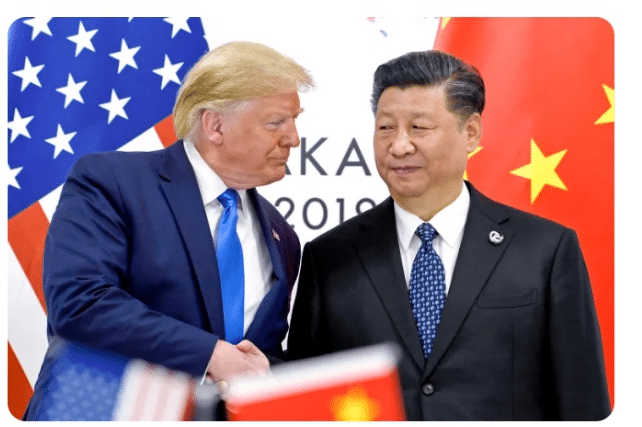
In the meantime, the world waits. Every handshake between Washington and Beijing now carries echoes of hope and warning, promising peace yet threatening imbalance in equal measure.
For now, as observers note, “Trump’s diplomacy always walks the line between genius and gamble.” This summit could prove which side of history that balance finally tilts toward.
About The Author