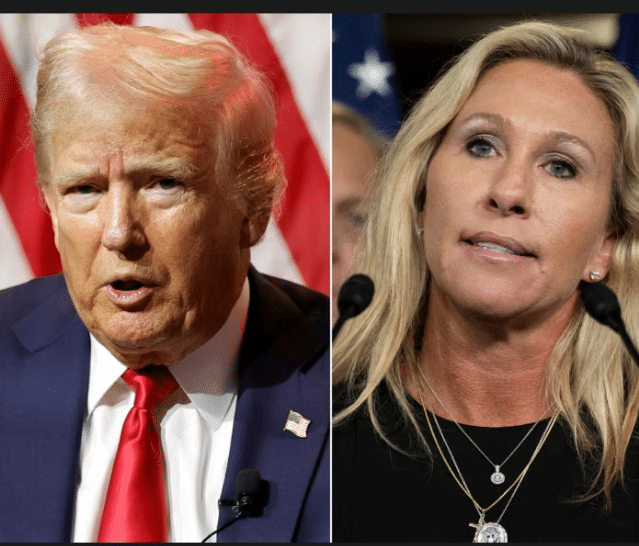
Trump calls to release Epstein files in a sweeping reversal that stunned observers, as he insisted “we have nothing to hide” while urging Republicans toward full disclosure immediately.
The announcement followed mounting pressure, prompting advisers to portray the shift as principled, though analysts questioned whether urgency reflected political self-preservation rather than genuine moral transparency.
Some supporters praised his decisiveness, claiming “truth always wins,” while critics argued the timing revealed strategic desperation, pointing to growing scrutiny surrounding powerful names linked to Epstein.
As debate erupted, lawmakers confronted deep divisions, with several Republicans unsure whether supporting release aligned with party interests or jeopardized reputations long shielded behind carefully maintained narratives.
Democrats welcomed the push, though some warned disclosures could expose uncomfortable alliances, intensifying bipartisan unease as Congress prepared for a Republican House vote with unpredictable consequences.
Political strategists speculated the decision aimed to control unfolding narratives, especially after months of swirling allegations that threatened to overshadow the administration’s economic messaging and broader governing priorities.
Analysts revisited previous statements where Trump dismissed the controversy as partisan fabrication, prompting questions about how such a dramatic pivot emerged without clearer acknowledgment of earlier contradictory positions.
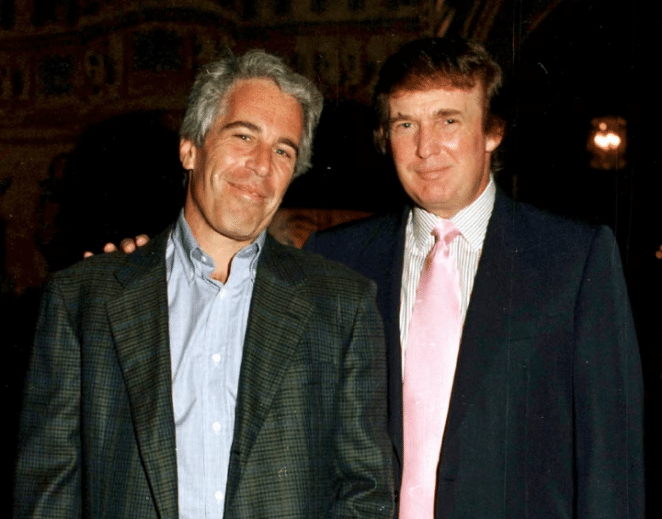
Observers noted renewed attention on old photographs and public encounters between Trump and Epstein, though Trump insisted their relationship deteriorated long before criminal allegations became widely documented.
Tension heightened after leaked materials suggested Epstein believed Trump “knew about the girls,” though the ambiguous phrase prompted clashing interpretations neither confirming nor refuting implications decisively.
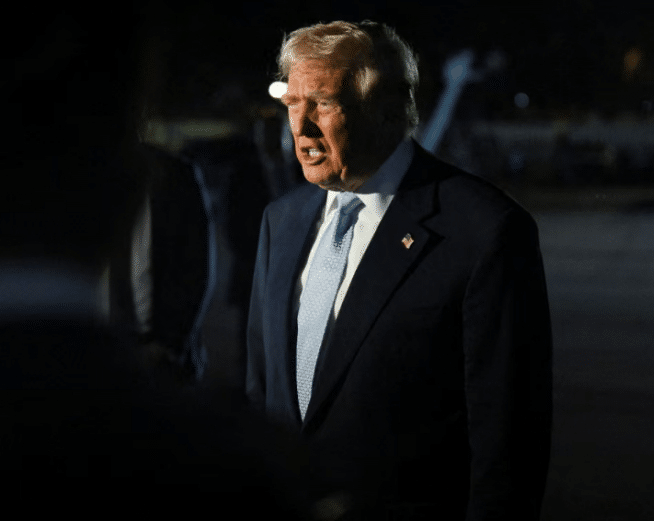
Advisers sharply rejected speculation, labeling the interpretations “manipulated political weaponry,” accusing opponents of twisting fragments into narratives designed to erode trust and ignite unnecessary public fear.
The controversy intensified when Trump posted a fresh Truth Social statement, declaring Republicans must “vote to release the files” and insisting the country “deserves honesty without distortion.”
His declaration framed release as essential to dismantling conspiracies, though rivals argued selective transparency appeared inconsistent with parallel investigations targeting political adversaries associated with Epstein’s past activities.
These competing claims fueled louder accusations when Trump ordered inquiries into Democrats’ ties to Epstein, raising doubts about impartiality within an already volatile and highly sensitive investigation.
Representative Thomas Massie challenged the president’s motives, asking whether the new inquiry represented “a last attempt” to stall inevitable disclosure of material long withheld from public view.
Massie argued transparency must stand without conditions, warning any contradictory actions threaten to undermine institutional credibility already weakened by years of partisan conflict and intensifying national skepticism.
Congressman Ro Khanna supported full disclosure, emphasizing “the American people deserve everything, not fragments,” framing bipartisan cooperation as essential amidst mounting political transparency debate nationwide.
Their push strengthened momentum ahead of the pivotal vote, signaling a rare moment where lawmakers across ideological lines aligned under shared concern over concealed government materials.
Republicans privately acknowledged internal fractures, recognizing the decision’s potential to expose party vulnerabilities, especially regarding figures historically connected to Epstein’s social or financial circles.
Despite public declarations of unity, aides admitted anxiety surrounding unpredictable revelations, aware any detail could ignite significant fallout across conservative ranks during an already contentious election season.
Meanwhile, Democrats prepared for cross-party implications, recognizing Epstein’s network transcended ideological boundaries and could tarnish reputations across Washington’s deeply interconnected political landscape.
Legal experts cautioned against exaggerated expectations, noting sealed documents may contain redactions, procedural complexities, or information already summarized through ongoing Epstein case revelations emerging steadily since 2019.
Still, public interest surged as activists demanded accountability, arguing years of secrecy fueled distrust and alleging political elites shielded themselves while ordinary citizens faced harsher scrutiny.
Media outlets revisited past testimony and court filings, reigniting discussion around institutional failures that enabled Epstein to operate for decades despite mounting allegations and repeated law-enforcement interventions.
Former associates recounted unease, sharing anonymously that “power protected power,” intensifying calls for comprehensive disclosure to prevent future abuses linked to unchecked influence and clandestine social networks.
Trump acknowledged frustrations, stating he “understood the anger,” but insisted the focus must remain on “moving forward together,” even as critics accused him of shifting responsibility strategically.
Economists argued the controversy overshadowed growing economic concerns, noting the administration struggled to maintain messaging as national debate funneled toward unresolved questions surrounding Epstein’s extensive associations.
Advisers urged refocusing attention on affordability, though they acknowledged the president’s rhetoric exacerbated tensions by intertwining unrelated political battles into an already charged national conversation.
Some Republicans argued prioritizing economic reform required resolving lingering doubts immediately, believing the release could neutralize suspicion and restore legislative momentum on stalled policy initiatives.
Opponents countered that public release risked amplifying turmoil, contending unresolved allegations would dominate headlines and intensify political volatility already destabilizing national cohesion.
Activists insisted justice outweighed political discomfort, arguing truth must prevail regardless of party implications, emphasizing “no one should exist above accountability,” a message resonating across diverse communities.
Pollsters observed rising public demand for transparency, suggesting constituents viewed the matter as emblematic of deeper systemic failures involving privilege, corruption, and suppressed information spanning decades.
International reactions surfaced as foreign leaders monitored developments, wary revelations might implicate figures beyond American borders given Epstein’s wide-reaching global connections and partnerships.
Diplomatic advisers warned global reputations could face unexpected consequences, urging cautious handling to prevent diplomatic strains arising from disclosures involving high-profile international stakeholders.
Throughout Washington, tension thickened as journalists prepared for potential release, aware each document might reshape political narratives, alter alliances, or trigger investigations reaching previously untouched spheres.
Families of survivors reiterated pleas for justice, stating politics must not overshadow suffering, with one survivor declaring “our voices were ignored too long; truth must finally matter.”
Human-rights organizations echoed these sentiments, arguing accountability represents moral obligation, not political choice, challenging leaders to prioritize justice over partisan advantage or ideological calculation.
Psychologists warned the discourse risked retraumatizing survivors, urging responsible reporting that avoids sensationalism while honoring lived experiences obscured by years of institutional negligence.
Civil-society groups stressed that transparency fosters healing, allowing communities to rebuild trust in systems long perceived as protecting influential individuals at the expense of vulnerable victims.
Faith leaders encouraged unity, reminding Americans “truth does not fear the light,” urging citizens to reject divisive rhetoric and support efforts promoting clarity and reconciliation nationwide.
As anticipation built, congressional staff prepared procedural frameworks for the vote, acknowledging the process required coordination across committees, legal teams, and security officials handling sensitive material.
Technology experts reinforced the importance of controlled release mechanisms, warning unauthorized leaks could distort interpretation or circulate misleading fragments amplified across polarized digital echo chambers.
The administration maintained confidence, asserting release would vindicate Trump despite critics arguing confidence appeared performative given shifting narratives previously presented by close advisers.
Opponents maintained skepticism, noting the president’s evolving stance complicated trust, though supporters insisted leadership requires adapting when new circumstances reshape moral and political priorities.
Communications analysts observed the president’s rhetoric intended to project consistency, yet contradictions between past dismissal and present advocacy complicated public perception significantly.
Ultimately, pressure mounted across Washington as leaders confronted unavoidable choices, aware transparency could reshape legacies, reset priorities, or expose contradictions shaping modern political culture profoundly.
By week’s end, anticipation reached fever pitch as legislators recognized the coming vote represented more than routine procedure; it symbolized a national reckoning with truth, power, and responsibility.
In the final hours before voting, Trump reiterated confidence, stating “history will judge fairness,” renewing his call despite critics questioning whether motives aligned with broader public interest.
Survivors, advocates, lawmakers, and citizens awaited the outcome, united only in understanding that whatever emerged, the truth—however incomplete—would alter the political landscape for years ahead.
About The Author