The Trump administration unveiled a Russia oil embargo after Vladimir Putin refused to agree to a Ukraine ceasefire, escalating tensions across Europe and raising alarm in global energy markets.
Treasury Secretary Scott Bessent stated, “Now is the time to stop the killing and enforce a ceasefire,” emphasizing that the embargo on Russian oil is designed to pressure Moscow directly.
Rosneft and Lukoil, Russia’s largest energy companies, are the main targets of the embargo, intended to cut revenues that sustain Putin’s war machine in Ukraine.
European allies welcomed the development, warning that Moscow’s continuing military aggression cannot be tolerated and that joint pressure is critical to support Kyiv’s defenses.
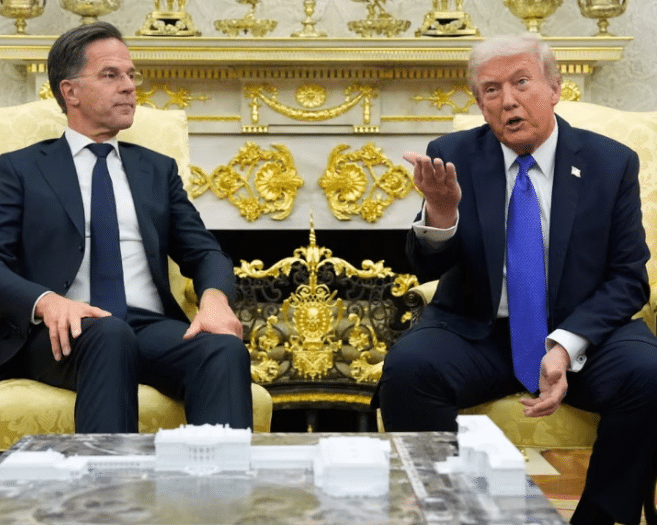
Trump confirmed canceling a planned summit with Putin, stating, “It didn’t feel right to me,” reflecting frustration and reliance on the embargo over failed diplomacy.
Reports suggested Ukraine could use long-range Storm Shadow missiles, but Trump denied lifting restrictions, tweeting, “the Wall Street Journal story is FAKE NEWS,” keeping the embargo central.
Previously, the administration imposed a 25% tariff on India for purchasing discounted Russian oil, showing why the Russian embargo became a strategic priority in US foreign policy.
Edward Fishman, former sanctions official, wrote, “Rosneft was the most important Russian firm not yet under full US sanctions,” highlighting why the restriction targets major energy producers.
The embargo aims to weaken Putin’s war machine, yet analysts question whether the Russia oil embargo will compel compliance or provoke further Russian escalation in the Ukraine conflict.
The sanctions reinforced support for Ukraine, as experts note the oil embargo sends a clear message: territorial concessions will not yield peace or stability.
European Commission President Ursula von der Leyen said, “this is a clear signal from both sides of the Atlantic,” praising the Trump Administration’s decision and coordination between the US and EU.
The EU’s 19th sanctions package complements the Russia oil embargo, including banning Russian LNG, blacklisting ships, and targeting banks that assist Moscow in evading financial penalties.
Sanctions also restrict Russian diplomats’ travel across the Schengen area, showing the Russia oil embargo extends influence into diplomatic measures, not just economic pressure.
Analysts warn enforcement is critical; partial compliance could weaken the oil embargo, allowing Russia to continue profiting despite international sanctions.
While intended to pressure Moscow, some fear the Russia oil embargo may harden Putin’s stance, potentially escalating military operations instead of encouraging negotiation.
Trump’s cancellation of the summit with Putin reflected skepticism about diplomacy, leaving the Russia oil embargo as the main instrument to coerce Moscow toward peace.
The Treasury emphasized readiness for further measures, declaring, “this is just the first step,” highlighting the strategic role of the oil restrictions against Russia’s energy firms.
Critics argue the Russia oil embargo disrupts global energy markets, raising prices while Russia seeks alternative buyers, showing the complex economic consequences of such measures.
Despite uncertainties, the Russia oil embargo signals a tougher US stance, reaffirming support for Ukraine while challenging Moscow’s maximalist objectives in the ongoing conflict.
Timing is critical: the Russia oil embargo follows failed diplomacy, marking a pivot to coercive measures after Russia’s refusal to compromise in Ukraine.
Experts caution that sanctions alone may be insufficient, requiring coordination with Europe, Asia, and other partners to ensure the Russia oil embargo achieves meaningful impact.
Russia faces a strategic choice: comply or seek alternative markets, testing the effectiveness of the Russia oil embargo on Moscow’s economy.
Officials insist the sanctions target revenue streams funding the war machine, emphasizing that the Russia oil embargo pressures Putin while minimizing civilian harm.
Observers note enforcement rigor and international coordination determine whether the Russia oil embargo can meaningfully reduce funding for Russian military operations.
Energy markets immediately reacted to the Russia oil embargo, with oil futures rising and European energy costs spiking, illustrating the global economic consequences.
Russia may increase sales to China, India, and other buyers to offset the Russia oil embargo, though such moves risk long-term isolation from Western markets.
The Russia oil embargo reflects lessons from prior sanctions, including stronger penalties for banks and traders facilitating Moscow’s exports, closing loopholes to maximize impact.
The Trump administration balances signaling force with avoiding direct confrontation, making the Russia oil embargo a strategic tool to influence Putin’s decisions in Ukraine.
Critics warn the Russia oil embargo may inadvertently strengthen domestic support for Putin, revealing the paradox where pressure intended to enforce peace could entrench aggression.
Officials emphasize the symbolic importance of the Russia oil embargo, demonstrating that violations of international norms carry financial, political, and diplomatic consequences.
Additional measures may target foreign banks assisting Russian exports, tightening the effectiveness of the Russia oil embargo on Moscow’s energy revenues.
Sanctions have prompted NATO to discuss energy independence and contingency planning, highlighting indirect consequences of the Russia oil embargo for European energy security.
Some commentators criticize delays in implementation, arguing earlier measures could have limited Russia’s initial aggression and shortened the Ukraine conflict, emphasizing the Russia oil embargo should have been faster.
The timing and scope of the Russia oil embargo combine economic, political, and military pressure, signaling that the West will not tolerate Russian aggression without consequence.
Experts caution that sanctions alone cannot end the conflict; diplomatic engagement, military deterrence, and multilateral cooperation remain essential alongside the Russia oil embargo.
Sanctions reassure European allies, showing US commitment to collective pressure, with the Russia oil embargo forming a central pillar of Western strategy against Moscow.
The measures will evolve in response to Russian adaptation and market shifts, reinforcing the Russia oil embargo as a dynamic tool of modern economic warfare.
The ultimate goal of the Russia oil embargo is reducing funding for Putin’s war machine, forcing strategic reconsideration and demonstrating unified Western support for Ukraine.
Observers note sanctions may indirectly influence Russian public opinion, potentially pressuring the Kremlin, though the effect of the Russia oil embargo remains uncertain.
International law and trade complications challenge enforcement, as some non-Western countries resist compliance, testing the global reach of the Russia oil embargo.
Despite these obstacles, the Russia oil embargo demonstrates America’s willingness to leverage economic power for geopolitical objectives, emphasizing coercion when diplomacy stalls.
Ultimately, the Russia oil embargo represents a high-stakes gamble: success could hasten peace, failure risks prolonged conflict, market disruption, and strained transatlantic relations.
The coordinated pressure from the Russia oil embargo also serves as a warning to other authoritarian regimes, reinforcing consequences for violating international norms.
Experts predict further measures could include secondary sanctions targeting foreign banks assisting Russia, tightening the chokehold on energy revenues and reinforcing the Russia oil embargo.
The Trump administration insists these measures are carefully calibrated, showing that the Russia oil embargo is designed to influence strategic decision-making without triggering direct military escalation.
Some analysts suggest the sanctions may encourage Russia to diversify energy partnerships, attempting to circumvent the Russia oil embargo, which could complicate enforcement and global market stability.
Financial markets reacted with volatility, as oil prices surged, demonstrating immediate economic repercussions of the Russia oil embargo on global supply chains and trading patterns.
Officials argue that while sanctions create short-term disruption, the Russia oil embargo aims to strategically weaken Russia’s long-term ability to fund military operations.
Observers warn that the sanctions’ ultimate success depends on continued enforcement, international coordination, and Moscow’s willingness to adapt, determining whether the oil embargo pressures Putin effectively.
The approach reflects Trump administration priorities, focusing on direct economic pressure over prolonged negotiation, making the Russia oil embargo a central lever of US strategy.
Analysts emphasize that Russia’s reliance on oil revenue makes the embargo a critical leverage point, though alternative supply networks may limit immediate effectiveness.
Global reactions are mixed; European allies largely support the sanctions, while some nations worry about energy disruptions, highlighting the balance between enforcement and stability in the sanctions.
Despite challenges, the decision is a clear signal that aggression will face consequences, reinforcing its strategic purpose in the ongoing Ukraine conflict.
Additional commentary from analysts warns that long-term enforcement and international alignment will ultimately determine whether the oil embargo forces Moscow toward negotiation.
Markets may adjust, Russia may seek alternative buyers, and geopolitical risks remain, but the oil embargo represents a tangible escalation in Western pressure on Putin.
About The Author