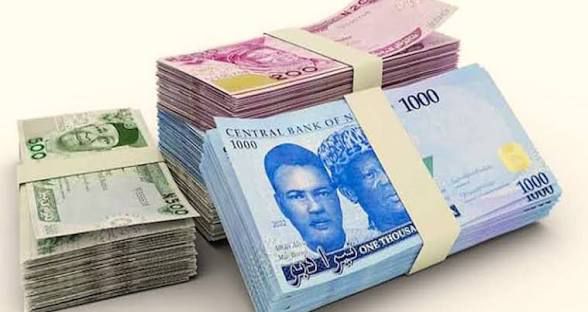

Tinubu power sector reforms begin as blackouts persist, Nigeria targets urgent electricity reset
President Bola Ahmed Tinubu has launched a sweeping overhaul of Nigeria’s electricity sector, appointing new leadership, with national supply still below 5,000MW against demand exceeding 30,000MW, as millions of households continue to endure prolonged blackouts.
Nigeria’s grid has struggled to sustain output above 4,000–4,500 megawatts in recent months—far below an estimated national demand of over 12,000MW—leaving businesses and consumers increasingly dependent on expensive alternative energy sources.
The Tinubu power sector reforms come at a moment of rising economic pressure, where unreliable electricity is feeding into higher production costs, inflation, and slowing industrial activity across Africa’s largest economy.
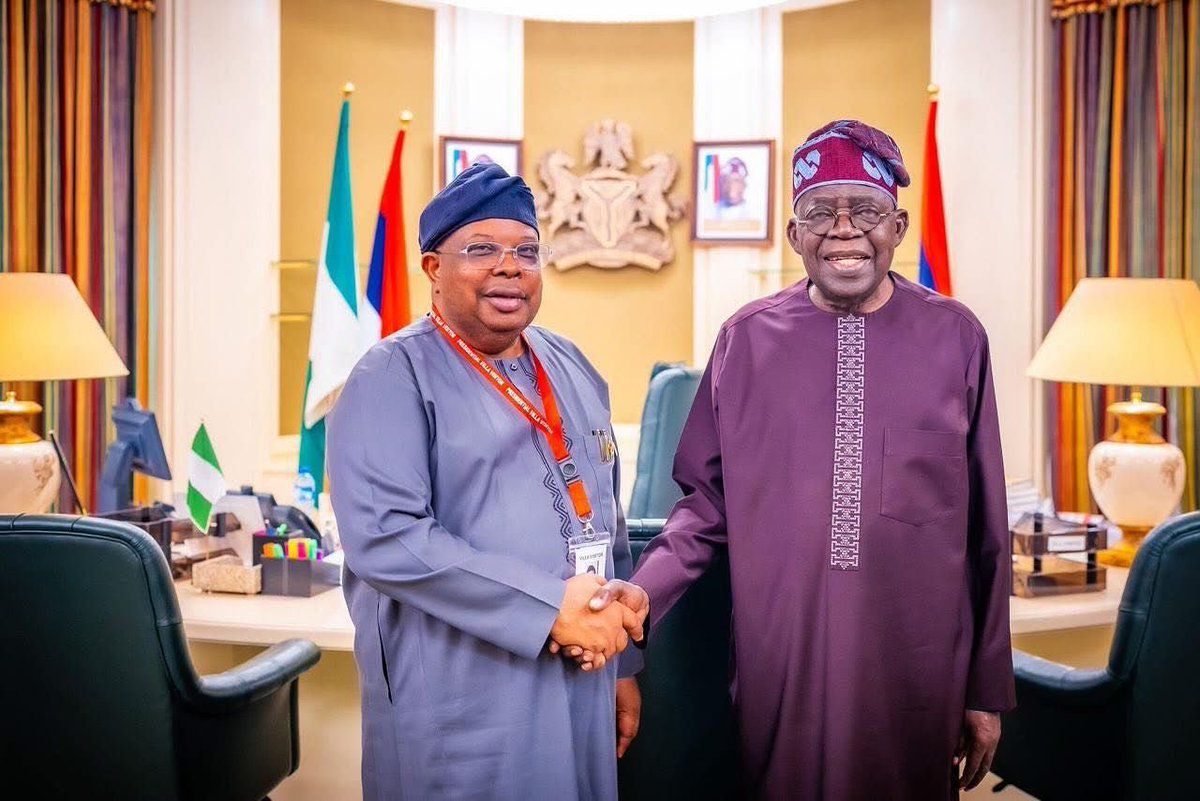
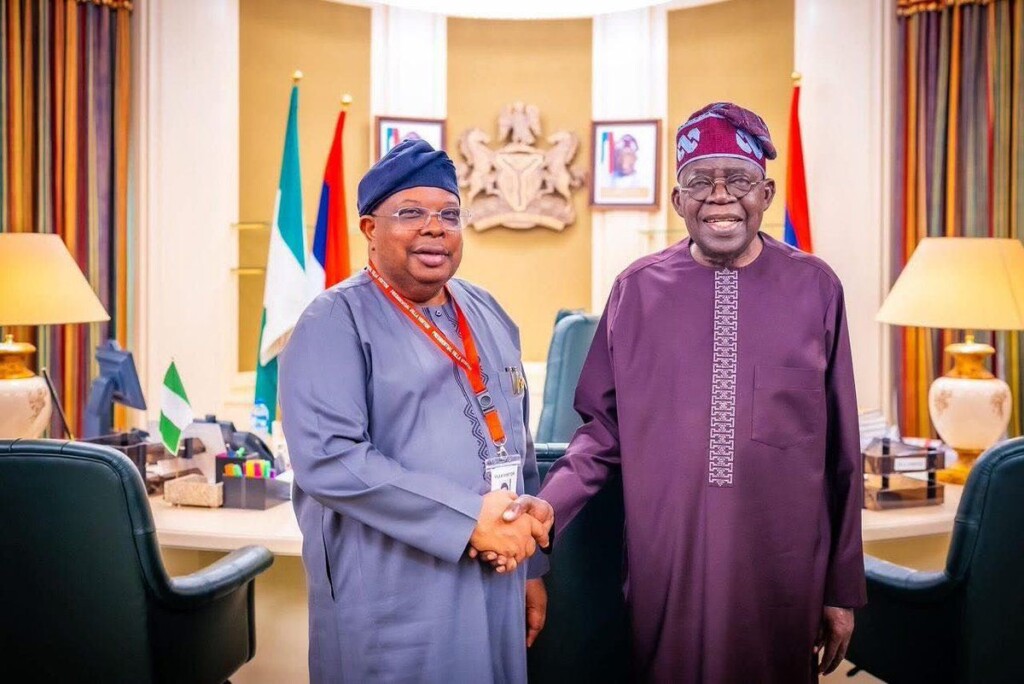
In statements issued by presidential spokesman Bayo Onanuga, the government confirmed the nomination of Joseph Tegbe as Minister of Power, subject to Senate confirmation, alongside the appointment of Lanre Babalola as Special Adviser on Power and Chairman of a Presidential Task Force on Power Sector Reset and Restoration.
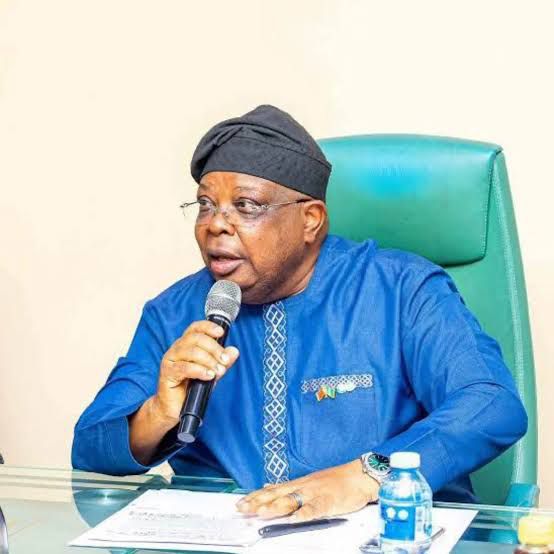
Crisis-driven reshuffle amid persistent outages
The leadership shake-up underscores growing urgency within the administration as repeated grid instability continues to disrupt economic activity nationwide.
From manufacturing hubs to small businesses, unreliable electricity has forced a widespread shift to self-generation, with diesel and petrol-powered generators becoming the default power source for many operators.
For households, the impact is immediate and measurable.
Electricity shortages have sharply increased the cost of living, as families spend more on fuel, alternative lighting, and cooling—expenses that now account for a significant share of monthly income in urban centres.
Economic pressure intensifies across sectors
The urgency behind the Tinubu power sector reforms reflects the scale of the economic drag caused by Nigeria’s electricity crisis.
Businesses now face a dual cost burden: unstable grid supply and rising fuel prices for generators.
This has squeezed profit margins, slowed expansion plans, and, in some cases, forced production cuts.
Analysts say energy costs are increasingly being passed through to consumers, contributing to broader inflationary pressures in food, transport, and essential services.
The power sector’s liquidity crisis—backed by over ₦3 trillion in debt obligations—is also weighing on investor confidence, raising concerns about long-term capital inflows into Nigeria’s electricity market.
Reform agenda targets deep structural failures
The government’s reset strategy is aimed at addressing long-standing structural weaknesses within the electricity value chain, including transmission bottlenecks, weak revenue collection, and persistent liquidity gaps.
Tegbe, described as a fiscal and economic reform specialist, brings more than three decades of experience across governance, institutional restructuring, and investment advisory.
He previously held a senior role at KPMG, leading reform-focused engagements across multiple sectors.
His experience includes advisory work with the Nigerian Electricity Regulatory Commission and the Nigerian Bulk Electricity Trading Company, positioning him at the centre of policy and regulatory reform discussions.
Task force to drive rapid execution
Alongside the ministerial nomination, Babalola will lead a high-level task force tasked with accelerating reform implementation under direct presidential oversight.
The body will function as a central execution platform, focusing on:
- Restoring grid discipline
- Improving tariff collection and cost recovery
- Reducing technical and commercial losses
- Strengthening market efficiency
Officials said the task force is expected to deliver a 90-day implementation roadmap, with an emphasis on measurable improvements in supply reliability and operational performance.
Human impact: rising energy burden on households
For millions of Nigerians, the power crisis is no longer abstract—it is a daily financial strain.
With grid electricity unreliable, households are spending significantly more on petrol and diesel to power generators, often diverting funds from food, transport, and other essentials.
Households now spend up to 30–50% more on fuel and alternative power, as unreliable grid supply forces families and small businesses to depend heavily on petrol and diesel generators.
In many urban areas, energy-related expenses now form a growing share of household budgets, compounding the impact of already high inflation.
Governance reset and policy realignment
As part of the broader restructuring, the presidency also redesignated the role of Olu Verheijen to focus specifically on oil and gas, a move aimed at clarifying responsibilities and reducing institutional overlap within the energy sector.
The government said the changes are intended to streamline decision-making and improve coordination between policy, regulation, and execution.
Why this matters now
The success—or failure—of the Tinubu power sector reforms will have direct consequences for Nigeria’s economic trajectory.
Reliable electricity is critical to:
- Industrial output
- Business competitiveness
- Job creation
- Investment inflows
Without sustained improvements, energy costs will continue to drive inflation, weaken productivity, and limit growth potential.
Outlook: execution will define success
While the latest appointments signal renewed political intent, analysts caution that implementation remains the key challenge.
Previous reform efforts have been undermined by weak enforcement, funding constraints, and fragmented governance structures.
The current reset strategy represents one of the most coordinated attempts in recent years to address these issues—but its success will depend on whether policy ambition can be translated into real improvements in electricity supply.
For now, the message from the presidency is clear: stabilising Nigeria’s power sector is no longer optional—it is central to the country’s economic recovery.
Read more @ireport247news
About The Author