Former Super Eagles captain Sunday Oliseh has firmly rejected claims that he failed to support Nigeria during the team’s opening victory over Tanzania at the ongoing 2025 Africa Cup of Nations, describing the accusations as unfair and misleading.
The controversy erupted following Nigeria’s 2-1 win against Tanzania in their Group C opener, a match that generated significant debate among fans due to the Super Eagles’ uneven performance despite securing all three points.
Oliseh, who featured as a television pundit during the encounter, offered tactical analysis that some supporters interpreted as overly critical, sparking backlash across social media platforms shortly after the final whistle.
Several fans accused the former Borussia Dortmund midfielder of showing bias against the Super Eagles, with claims suggesting he downplayed Nigeria’s achievement and focused excessively on flaws rather than the result itself.
The criticism gained momentum online, with some supporters questioning Oliseh’s loyalty to the national team, a narrative that quickly drew widespread attention within Nigerian football circles.
Reacting to the growing dissent, Oliseh took to his verified X handle on Wednesday night to address the accusations directly and defend his role as an analyst.
In a strongly worded statement, the former national team coach expressed disappointment that his professional evaluation of the match had been misconstrued as hostility toward the Super Eagles.
Oliseh explained that constructive criticism remains a vital part of football development, particularly at major tournaments like the Africa Cup of Nations where margins for error are slim.
He emphasized that offering honest analysis should never be mistaken for a lack of patriotism or emotional investment in the team’s success.
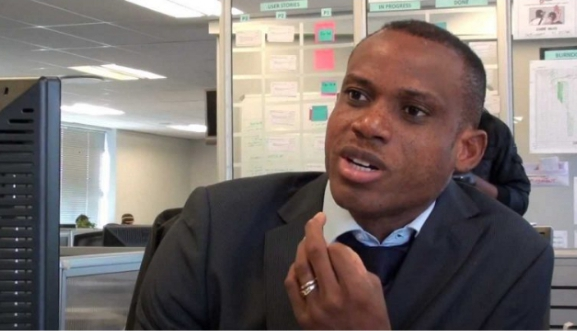
According to Oliseh, his commitment to Nigerian football spans nearly four decades, beginning from his youth days to his playing career, coaching tenure, and current involvement as a football analyst.
The former Ajax star noted that his relationship with the national team is built on service and responsibility, rather than blind praise that ignores areas needing improvement.
Oliseh stressed that his heart remains with the players representing Nigeria on the continental stage and that his criticisms are driven by a desire to see the team progress further.
He also pointed out the irony of recent accusations, recalling past instances where he was criticized for being overly supportive of Super Eagles coaches and administrators.
The former captain argued that such contrasting claims reveal a misunderstanding of the analyst’s role, which demands objectivity regardless of public sentiment.
Oliseh reaffirmed his support for head coach Eric Chelle, stating that constructive honesty is essential to strengthening the squad as the competition advances.
Nigeria’s win over Tanzania, while celebrated, exposed several tactical concerns including defensive lapses, midfield transitions, and inefficiencies in chance conversion.
Oliseh’s on-air analysis highlighted these issues, particularly Nigeria’s struggle to control tempo during key moments of the game.
While many analysts shared similar observations, Oliseh’s remarks drew sharper scrutiny due to his stature as a former Super Eagles captain and national coach.
The backlash underscores the intense emotional attachment Nigerian fans have to the national team, especially during major tournaments like AFCON.
For many supporters, criticism during victory is often viewed as unnecessary negativity, regardless of its technical accuracy.
However, football analysts argue that identifying weaknesses early can help teams adjust tactically before facing stronger opponents later in the competition.
Oliseh echoed this sentiment, insisting that ignoring shortcomings could be more damaging to Nigeria’s title ambitions.
He called on fans to move beyond personal attacks and instead channel their energy toward supporting the players throughout the tournament.
The former midfielder urged unity, reminding Nigerians that distractions and internal divisions have historically hindered the Super Eagles during major competitions.
He emphasized that AFCON success requires collective belief from players, coaches, analysts, administrators, and supporters alike.
Oliseh concluded his message by reaffirming his unwavering loyalty to the Green and White, stating that it requires no public defense or validation.
His comments come at a crucial stage of the tournament as Nigeria prepares for subsequent group matches that could determine qualification prospects.
The Super Eagles are expected to face sterner opposition in the coming fixtures, making tactical refinement essential for progression beyond the group stage.
Coach Eric Chelle has already acknowledged areas for improvement, signaling alignment with the analytical concerns raised by pundits, including Oliseh.
Several former internationals have since defended Oliseh, arguing that his experience gives him a unique perspective on high-pressure tournament football.
They noted that honest analysis from respected former players should be valued rather than vilified.
Meanwhile, the Nigerian Football Federation has remained silent on the controversy, focusing attention on team preparation and training schedules.
Read also:Burkina Faso vs Equatorial Guinea Africa Cup of Nations: Burkina Faso wins 2-1 in thrilling group E match
As AFCON 2025 continues, the incident highlights the broader challenge of balancing passionate fandom with objective football discourse in Nigeria’s vibrant sports culture.
Oliseh’s response has reopened conversations about the role of former players in media analysis and the expectations placed upon them by supporters.
For now, attention shifts back to the pitch, where the Super Eagles must translate lessons learned into improved performances.
Oliseh ended his statement with a call for national unity, offering prayers and well wishes for Nigeria’s success at AFCON 2025.