Europe is weighing plans for Strait of Hormuz navigational fees that would be voluntary, not compulsory, as diplomatic pressure mounts to keep one of the world’s most vital oil corridors open.
The proposal comes amid escalating US-Iran hostilities. Washington wants Tehran to publicly confirm that shipping can pass safely, while Tehran debates how far to assert control over the waterway.
Europe Examines a Voluntary Payment Model
Britain’s deputy prime minister David Lammy warned that compulsory tolls would be “disastrous.” Yet some cabinet colleagues note that payment systems already exist elsewhere.
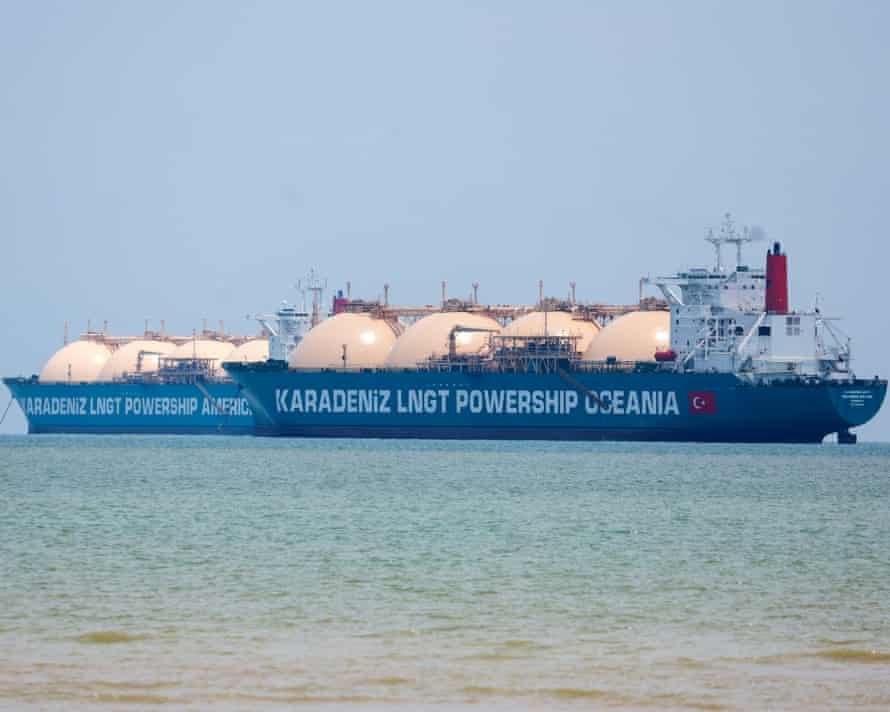
“We recognise that systems of payments for specific navigational services are permissible in many natural waterways,” a UK official said, citing the strait of Malacca and the English Channel.
The Malacca Strait Model
Oman has drafted a plan adapting Malacca principles with British lawyers. Muscat now offers to send experts to Tehran to explain it in detail.
The Malacca mechanism handles over 120,000 vessels yearly. It relies on voluntary contributions and a cooperative platform, not mandatory charges. “It has evolved into a structured and inclusive platform,” an IMO report stated.
US Demands Clarity From Iran
US officials are demanding a public statement from Iran. They want confirmation that the strait is open and that ships will not be attacked.
Donald Trump posted Friday that the interim ceasefire was “over.” Hours later he threatened: “1000 missiles are locked and loaded and aimed at the Islamic Republic of Iran.”
Ceasefire Roadmap Under Strain
Clause 5 of the US-Iran MoU signed last month committed Iran to safe passage with no charge for 60 days. Traffic was to resume fully within 30 days after obstacles cleared.
Washington argues the deal did not give Iran permission to dictate routes. Tehran interprets it differently, saying it met commitments “as it interpreted them.”
Oman’s Role and Regional Positions
Oman controls most navigable waters in the strait and opposes compulsory tolls. It argues safety services can be funded voluntarily instead.
“Voluntary arrangements relating to navigational support services could further enhance maritime safety,” Oman’s IMO delegate Khamis bin Mohammed Al Shamakhi told the council in London.
Gulf and European Alignment
An alliance of Gulf and European states pushed an IMO motion condemning Iran for attacking ships. Russia and China rejected it as “one-sided” and beyond IMO’s mandate.
Qatar’s spokesperson Majed al-Ansari said: “Giving the Iranians sovereignty over the strait in a way that contradicts international maritime law will be basically agreeing to be hostages to whatever radical element.”
Iran’s Internal Divisions
Tehran faces pressure at home and abroad. Foreign Minister Abbas Araghchi is due in Oman on Saturday for talks “focused on the strait of Hormuz and shipping safety.”
Diplomats report splits inside Iran. “There are sections of the IRGC that say the US launched an unlawful attack on them in February, so why should they bother with international law,” one diplomat said.
IRGC Stance
The IRGC navy claimed Thursday it had met MoU obligations. It also declared: “We reiterate that foreigners have no role in this land or the strait of Hormuz.”
Other Iranian officials appear more pragmatic. The embassy in London said it was studying independent proposals from the Energy Policy Research Group.
Shipping Safety and Economic Stakes
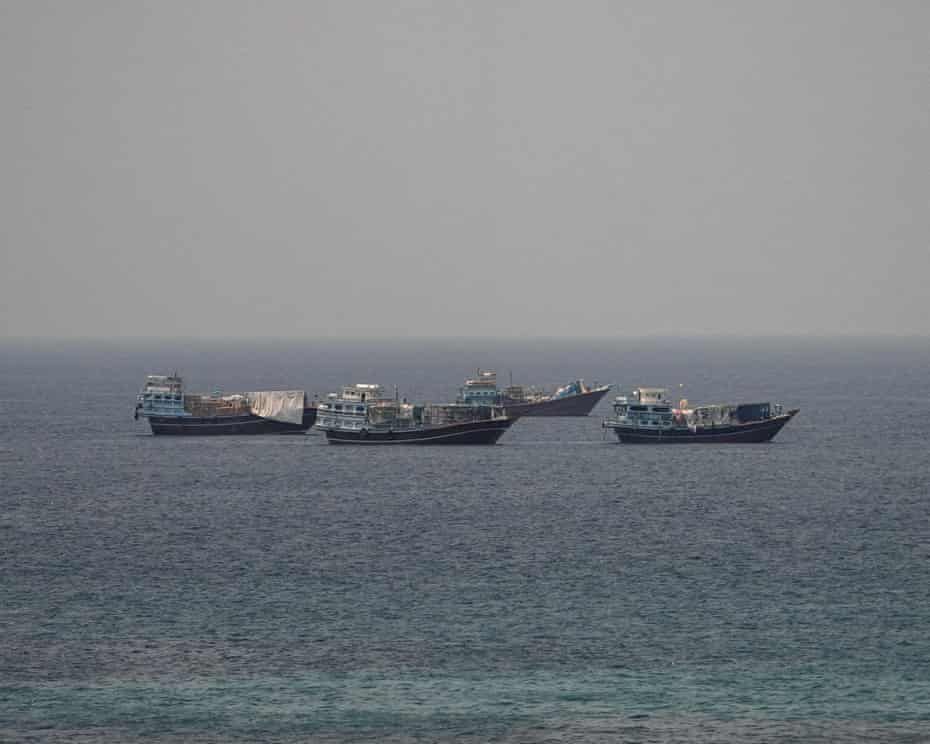
The strait carries about 20% of the world’s oil. Any disruption sends global energy prices soaring and threatens supply chains.
US Central Command said it has “helped facilitate the successful transit of more than 800 commercial vessels and 380m barrels of crude oil” since early May.
The Southern Route Dispute
IMO Secretary-General Arsenio Dominquez believed Iran agreed to open a southern evacuation route for stranded sailors. Tehran reportedly rescinded approval, forcing the UN to suspend the plan.
The US continues to urge use of the southern route. Diplomats now question whether Iran wants all ships on the northern route, or simply demands permission via its Persian Gulf Strait Authority.
Legal Principles at Play
International law guarantees transit passage through straits used for international navigation. Oman cited this directly at the IMO.
“The right of transit passage through straits used for international navigation is guaranteed under international law and does not support the imposition of transit fees,” Al Shamakhi said.
Service Fees vs Tolls
The Energy Policy Research Group argues for “a transparent service fee embedded within an inclusive regional order.” It stresses this is not “a crude toll imposed on ships just for passing through.”
Such fees could fund pilotage, pollution response, and emergency services. Proponents say this incentivizes cooperation without violating free passage.
Military Escalation Complicates Diplomacy
This week the US struck over 150 targets in southern Iran, aiming to degrade drone and missile capabilities used against shipping.
Iran responded by hitting US bases in Kuwait and Bahrain. The exchange is the fiercest since the February ceasefire.
Trump’s Messaging
Trump’s social posts have hardened the tone. Declaring the truce “over” while threatening missile strikes signals Washington will not accept Iranian control of the waterway.
Analysts warn that military action risks closing the strait entirely. “Trump is bombing Iran again and blundering again,” wrote commentator Sina Toossi.
What Happens Next
Talks in Oman this weekend will test whether a voluntary model can bridge the gap. Iran must decide if cooperation outweighs confrontation.
Europe favors the Malacca approach because it preserves legal principles while funding safety. The US wants guarantees first, fees later.
Read also: Trump housing bill protest: President refuses signature on bipartisan affordability measure
Key Questions Ahead
Will Iran accept non-compulsory fees? Can the IMO broker consensus with Russia and China opposed? And will shipping companies trust any arrangement while missiles fly?
For now, tankers are moving under US escort. But diplomats know the status quo is fragile. “We are in a moment where law, money, and missiles are all negotiating at once,” one European envoy said.
The outcome of the Strait of Hormuz navigational fees debate will shape global trade for years. If Oman’s plan succeeds, it could offer a template for other contested waterways. If it fails, the world faces costlier oil and riskier seas.
About The Author