A coalition of South-Easterners protest in Washington DC to oppose the high-level Tinubu delegation visit, aimed at polishing Nigeria’s international image amidst ongoing ethno-religious violence.
Comrade Emma Powerful, IPOB’s media secretary, said the demonstration will be peaceful but powerful, challenging claims of stability propagated by the Nigerian government to international audiences.
The Tinubu delegation visit reportedly intends to convince foreign governments that peace, justice, and religious freedom exist in Nigeria, despite repeated reports of targeted killings and forced displacement.
IPOB accused the government of overseeing ethnic cleansing, mass abductions, church burnings, and forced burials, asserting that international observers must confront the ongoing human rights crisis.
“We will honour the sacrifices of our leaders by taking the truth to Washington, D.C., loudly,” Powerful said, urging maximum participation from Indigenous peoples and other diaspora groups.
Ethno-religious violence in Nigeria persists across Southern Kaduna, Kwara, the Middle Belt, and the South-East, leaving thousands of families displaced, homes destroyed, and communities destabilised.
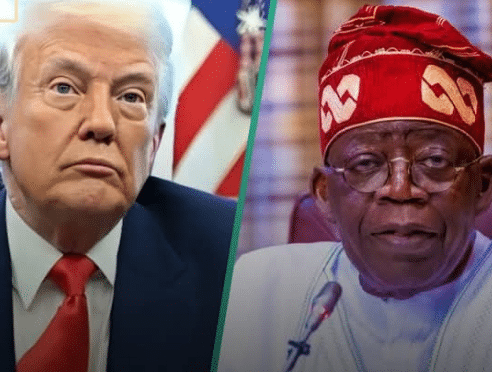
The protest calls on Biafrans, Judeo-Christians, Yoruba Nation supporters, Middle Belt groups, and other Indigenous peoples to unite for a peaceful, unstoppable demonstration of conscience and civic responsibility.
Diaspora activism in the U.S. has grown in recent years, with communities seeking to amplify the realities of violence in Nigeria while pressuring foreign governments to act responsibly.
Trump recently designated Nigeria a “Country of Particular Concern,” reinforcing concerns about Christian communities’ safety and prompting diaspora groups to intensify efforts for global awareness.
“Christianity is facing an existential threat in Nigeria,” Trump stated, citing radical Islamist attacks and mass slaughter of civilians, underscoring the need for visible protests and political pressure abroad.
Comrade Powerful emphasised the demonstration’s moral purpose, stating that participants aim to expose violations and demand accountability, ensuring victims’ experiences are amplified worldwide.
Organisers urged immediate mobilisation, promising details on the date, time, and location of the protest soon, ensuring strong turnout and maximum international attention during the event.
No diplomatic lobbying or international appeasement, Powerful said, can erase mass graves, orphaned children, and widows’ suffering, nor conceal the consequences of Nigeria’s ongoing ethno-religious violence.
IPOB mobilisation focuses on giving victims a platform, highlighting government inaction despite constitutional guarantees of religious liberty and purported equality for all citizens across Nigeria.
Analysts note diaspora protests often influence international perceptions, potentially prompting policy reassessment, diplomatic pressure, and heightened awareness of systemic failures in Nigerian governance.
Social media campaigns accompanying the protest are already trending, emphasising ethno-religious violence in Nigeria, diaspora activism in the U.S., and the urgency of addressing the Tinubu delegation visit.
Affected families are organising transport, outreach campaigns, and public messaging to ensure their experiences reach global audiences, strengthening the protest’s visibility and credibility internationally.
“The victims are not silent, justice will not be delayed, and no government can hide behind diplomatic facades,” Powerful declared, underscoring the protest’s unyielding commitment to truth and accountability.
Human rights organisations in the U.S. are monitoring the protest closely, demonstrating international solidarity with victims of continued abuses and ensuring that peaceful mobilisation remains effective and visible.
By protesting in Washington, D.C., South-Easterners aim to challenge misconceptions, expose systemic oppression, and demand immediate action to prevent further bloodshed, displacement, and targeted killings.
The demonstration also highlights diaspora activism in the U.S., showing the dedication of South-Easterners and other groups to human rights advocacy, global awareness, and Indigenous community protection.
Peaceful mobilisation allows IPOB to ensure international media coverage, interviews, and live documentation, countering government narratives and bringing the realities of Nigeria to global attention.
The South-Easterners protest in Washington DC demonstrates collective action’s influence, aiming to inform policy, spark international dialogue, and protect victims from ongoing ethnic and religious violence.
Organisers reaffirmed participants must act peacefully, emphasising that truth, justice, and human dignity cannot be silenced by propaganda, diplomacy, or efforts to polish Nigeria’s international image.
Diaspora activism in the U.S. has become increasingly strategic, incorporating organised demonstrations, social media advocacy, and media engagement to amplify the voices of communities affected by violence.
Reports indicate that violence in Nigeria is often underreported domestically, making diaspora protests essential for exposing the scale of human rights violations to global policymakers and humanitarian actors.
Powerful noted that the protest also seeks to commemorate victims, advocate for survivors, and create a permanent record of Nigeria’s ongoing ethno-religious crisis to prevent future atrocities.
The Tinubu delegation visit is controversial, as many international observers see it as an attempt to gloss over Nigeria’s domestic challenges while presenting a false image of stability abroad.
Diaspora activism in the U.S., supported by IPOB mobilisation, aims to counteract these narratives, holding the government accountable and ensuring victims’ stories are not ignored or erased.
South-Easterners participating in the protest emphasise that international solidarity, civic engagement, and peaceful mobilisation are critical to preventing further atrocities and promoting justice in Nigeria.
The event underscores the growing influence of diaspora communities, demonstrating that coordinated, peaceful action can shift global narratives, pressure governments, and highlight ongoing ethno-religious violence.
Organisers conclude that the protest is a call for international attention, accountability, and immediate intervention to protect Indigenous peoples and other targeted communities from ongoing insecurity.
Through this South-Easterners protest in Washington DC, organisers hope to elevate the conversation on Nigeria’s human rights crisis, reinforcing the importance of diaspora activism in the U.S. and global advocacy networks.
The protest also aims to establish precedent for future mobilisation, showing that peaceful demonstrations can draw attention to systemic injustices and compel governments to act responsibly.
IPOB officials reaffirm that this demonstration will be peaceful yet impactful, intending to ensure the world witnesses the realities of violence, displacement, and oppression in Nigeria.
With the mobilisation underway, diaspora groups are coordinating across cities, sharing resources, and preparing messaging to ensure that the protest reaches maximum impact and secures global attention.
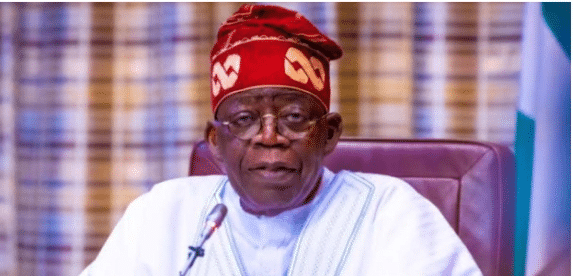
This South-Easterners protest in Washington DC symbolises the growing determination of diaspora communities to demand justice, truth, and accountability for victims of ethno-religious violence in Nigeria.
About The Author