Russian pressure in Zaporizhia has intensified as Ukrainian forces stage tactical retreats under fierce bombardments, marking one of the most challenging phases of Ukraine’s southern campaign.
Commanders described Russian pressure in Zaporizhia as “severe and unrelenting,” with Moscow’s troops advancing through fog-covered terrain that concealed large-scale troop movements and concentrated strikes on weakened defensive lines.
Military analysts said Russian pressure in Zaporizhia represents the Kremlin’s attempt to stretch Ukraine’s depleted manpower across multiple fronts while testing the resilience of its southern defences.
Officials confirmed a Ukrainian withdrawal from several villages after an artillery bombardment destroyed shelters and fortifications, forcing soldiers to regroup in new positions under worsening logistical conditions and constant fire.
The southern Ukraine offensive has shifted momentum, with Russian units claiming ground across exposed areas near Huliapole and Oleksandrivka as drones and tanks target trenches left unreinforced by recent rain.
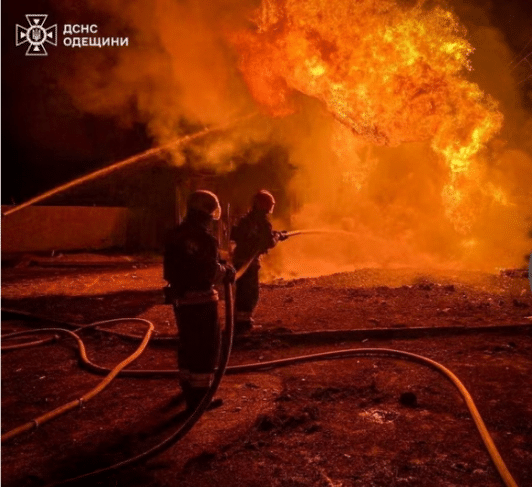
Residents fleeing villages under attack described days of artillery bombardment, where over 2,000 shells landed in a single night, cutting off access to supplies and emergency evacuation routes.
Ukrainian commanders stated that the Ukrainian withdrawal was strategic, designed to preserve manpower after the “de facto destruction” of defensive structures, leaving positions untenable amid worsening weather and communication gaps.
Russia’s Ministry of Defence claimed its forces had seized new settlements near the Pokrovsk frontline battles, presenting the advances as proof of growing dominance in Ukraine’s embattled south and east.
Independent military observers said the situation reflects both sides’ exhaustion but acknowledged that Russian pressure in Zaporizhia continues to erode Ukrainian morale in rural strongholds now stripped of reinforcements.
Fog and low visibility helped Russian troops infiltrate positions across mined fields, advancing stealthily under the cover of poor weather as drones transmitted live footage of encircled outposts.
Ukrainian President Volodymyr Zelenskyy acknowledged the deteriorating situation, describing Russian pressure in Zaporizhia as “extremely difficult” and calling for international partners to accelerate aid deliveries to sustain frontline operations.
In remarks from Kherson, Zelenskyy said the weather had become “a weapon of war,” helping enemy troops move undetected as the southern Ukraine offensive expanded beyond expected seasonal limits.
Local administrators said entire families fled when artillery struck power stations, reducing villages to ruins and sparking fires that destroyed grain reserves vital for the coming winter months.
Russian commanders, confident of progress, claimed heavy Ukrainian losses while acknowledging that each kilometre gained cost “hundreds of lives” due to entrenched resistance and precise counterstrikes.
Military insiders reported that Russian pressure in Zaporizhia was part of a coordinated effort to open a corridor toward Pokrovsk, aiming to cut Ukraine’s eastern supply networks before winter.
Satellite images verified recent troop build-ups, showing convoys of tanks and armoured vehicles converging on contested towns, their approach timed with intensified artillery bombardment and drone surveillance missions.
Analysts described Pokrovsk frontline battles as “the critical hinge” of Russia’s campaign, linking Zaporizhia’s southern push with eastern offensives to encircle Ukraine’s defensive heartland.
Ukraine’s commander-in-chief Oleksandr Syrskii said the army’s focus was now on stabilising lines and preventing further breaches despite overwhelming numbers and Russian pressure in Zaporizhia remaining constant.
He added that tactical retreats would “save lives and allow a regrouping for counterattacks once resources from allied nations arrive,” hinting at Western delays in ammunition resupply.
Military think tanks noted that the Ukrainian withdrawal has raised strategic questions about Kyiv’s ability to sustain simultaneous defences amid manpower shortages and limited drone countermeasures.
Russian media broadcast images of troops waving flags in newly captured areas, presenting them as liberation zones even as shelling continued nearby, making civilian return impossible.
For soldiers on the ground, Russian pressure in Zaporizhia has created an atmosphere of fatigue and uncertainty, with reports of long rotations, ammunition scarcity, and mounting psychological strain.
A Ukrainian artillery officer described “constant exhaustion,” saying his unit fired back with what little remained of Soviet-era stockpiles, unable to match Russia’s continuous artillery bombardment.
Meanwhile, humanitarian groups warned that the southern Ukraine offensive had displaced hundreds, with makeshift shelters overcrowded and aid convoys struggling to reach frontline communities due to cratered roads.
Satellite footage showed scorched farmlands stretching for kilometres, testimony to weeks of shelling that transformed once-fertile soil into landscapes dotted with wrecked vehicles and burnt storage silos.
In neighbouring Kharkiv, reports indicated similar Russian tactics — intense artillery bombardment followed by infantry sweeps — suggesting a wider effort to divide Ukraine’s forces and stretch command capacities.
Ukrainian troops described fighting under constant aerial surveillance, where even small movements triggered drone-guided strikes, worsening casualties and hindering supply of medical equipment and winter gear.
Diplomatic sources said European allies were reviewing the situation after briefings from Kyiv warned that continued Russian pressure in Zaporizhia could jeopardise future peace negotiations and defence agreements.

In Moscow, officials celebrated incremental gains but avoided confirming total control, possibly to manage expectations amid high losses and growing domestic scrutiny of the drawn-out campaign.
Military analysts noted that Russia’s adaptability in foggy and muddy terrain marks an evolution from earlier offensives, reflecting lessons learned during the first year of the prolonged conflict.
Nonetheless, they warned that the southern Ukraine offensive might overextend Russia’s logistics, forcing reliance on vulnerable supply lines already under periodic attack from Ukrainian drones.
Ukraine’s General Staff insisted that counteroffensive operations remain possible, claiming precision strikes on fuel depots and command centres to slow Russia’s supply momentum and inflict retaliatory costs.
Still, Ukrainian soldiers said morale fluctuated as Russian pressure in Zaporizhia dragged on, draining energy and creating doubts about when fresh reserves or Western equipment might arrive.
Western officials privately admitted that delayed weapon shipments and political debates have hampered Ukraine’s capacity to resist sustained assaults, forcing tactical withdrawals rather than decisive engagements.
Observers believe that the current Ukrainian withdrawal may signal preparation for a more defensive winter posture as troops conserve strength for renewed offensives in spring.
Yet Russian commentators insisted that the Pokrovsk frontline battles would culminate soon, allowing Moscow to claim a symbolic victory to bolster negotiations from a position of strength.
Despite uncertainty, Ukraine’s leadership pledged to hold key lines and adapt tactics, framing each retreat as temporary and each loss as a stage toward strategic reorganisation.
As winter looms, Russian pressure in Zaporizhia continues to define the battlefield narrative — a relentless test of endurance, morale, and global resolve in Europe’s longest modern conflict.
About The Author