Russia launches attacks on Ukraine in a renewed wave of missile and drone strikes that killed at least three civilians including a child and caused widespread destruction across multiple regions.
Ukrainian officials said the overnight assault targeted residential neighbourhoods, energy facilities and critical infrastructure, deepening the humanitarian toll as winter tightens its grip.
President Volodymyr Zelenskyy confirmed civilian fatalities and dozens of injuries, describing the attacks as “deliberate terror” aimed at exhausting Ukrainian society.
“These strikes are not about the battlefield alone,” Zelenskyy said. “They are about breaking ordinary people through fear, cold and darkness.”
The attacks stretched across more than a dozen regions, including Kyiv, Zhytomyr, Khmelnytsky and Odesa, according to Ukraine’s air force and regional authorities.
In the Kyiv region, falling debris from intercepted missiles smashed windows, damaged roofs and set several houses ablaze, forcing residents to flee into shelters.
Emergency responders worked through the night extinguishing fires and pulling injured civilians from damaged homes as air raid sirens continued to sound.
Local officials reported that among the dead was a woman killed in the capital, while another civilian died in a separate strike elsewhere in the country.
Several others, including teenagers, were injured by shrapnel and collapsing structures, highlighting the indiscriminate impact of the bombardment.
Ukraine’s Interior Ministry said search-and-rescue operations were ongoing in some areas as authorities assessed the full extent of the damage.
Russia launches attacks on Ukraine with increasing reliance on drones alongside missiles, overwhelming air defence systems through volume and persistence.
Ukraine’s air force said hundreds of drones and missiles were launched, many intercepted, but even limited breaches caused significant destruction.
Energy facilities were again a major target, prompting emergency power outages in Kyiv and surrounding regions.
The Energy Ministry warned that repeated strikes on electricity infrastructure risk prolonged blackouts during freezing temperatures.
Repair crews were deployed immediately but faced dangerous conditions, with the threat of follow-up attacks lingering throughout the morning.
“These facilities are civilian lifelines,” an energy official said. “Targeting them is an attack on survival itself.”
Across Ukraine, authorities urged residents to conserve power and remain in shelters until all-clear alerts were issued.
In Kyiv, journalists reported hearing distant explosions and the steady rumble of air defence systems before dawn.
Despite warnings, some residents continued commuting to work, reflecting how repeated attacks have become grimly routine after years of war.
Schools in affected regions switched to remote learning as officials assessed damage to buildings and utilities.
The psychological toll was evident, with parents describing sleepless nights and children growing up accustomed to sirens and shelters.
Beyond Ukraine, the attacks triggered heightened security responses in neighbouring countries.
Poland scrambled fighter jets and placed air defence systems on alert after Russian strikes near western Ukraine.
Polish military officials said the measures were precautionary, designed to protect NATO airspace amid escalating regional risks.
NATO officials have repeatedly warned that sustained Russian air campaigns near alliance borders increase the danger of miscalculation.
Russia has not issued detailed public comments on the latest attacks, maintaining its long-standing position that its operations target military objectives.
Ukraine and international observers dispute this, citing repeated strikes on homes, hospitals and energy facilities.
Human rights groups continue documenting civilian casualties and infrastructure damage, calling for accountability under international law.
The United Nations has warned that continued assaults on power systems could worsen displacement and strain humanitarian resources.
Millions of Ukrainians already face unstable electricity, heating shortages and rising living costs as the war grinds on.
The latest strikes came shortly after renewed diplomatic contacts involving the United States, Ukraine, European partners and Russia.
US President Donald Trump described negotiations as “going OK,” though officials acknowledged major gaps remain between Moscow and Kyiv.
Analysts say Russia launches attacks on Ukraine alongside diplomacy to strengthen its leverage at the negotiating table.
“Military pressure remains a central tool,” said one security analyst, noting that battlefield escalation often coincides with talks.
Others argue the strikes reflect Russia’s broader strategy of attrition, aimed at wearing down Ukrainian resilience over time.
Ukrainian officials insist morale remains strong, pointing to rapid emergency responses and sustained international support.
Zelenskyy renewed calls for additional air defence systems, saying they are essential to protecting civilians rather than territory alone.“Every interception saves lives,” he said in a video address following the attacks.
Western allies reiterated support for Ukraine, condemning the strikes and pledging continued military and humanitarian assistance.
European leaders warned that attacks on civilian infrastructure undermine prospects for meaningful peace talks.
For Ukrainians, however, the immediate concern remains survival as winter conditions amplify the impact of destruction.
Temporary warming centres were opened in affected regions, while volunteers distributed blankets and generators to vulnerable residents.
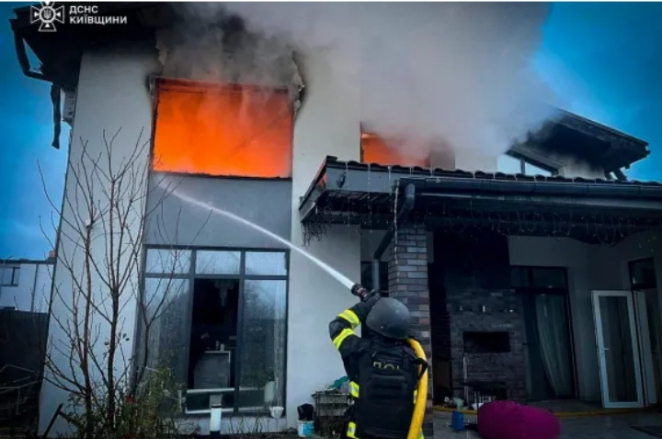
In neighbourhoods hit overnight, residents surveyed shattered homes and debris-strewn streets, uncertain when repairs would be completed.
The persistence of air raid alerts meant many families remained underground well into the morning.
As Russia launches attacks on Ukraine with sustained intensity, the war shows little sign of de-escalation despite diplomatic efforts.
The contrast between negotiation rooms abroad and burning homes at home remains stark for those living under constant threat.
Read also:Trump Epstein files controversy sparks debate over reputations, transparency, political motives
With winter deepening and infrastructure under strain, the human cost of the conflict continues to rise, one night of strikes at a time.
About The Author