

Nigeria’s legislative integrity has come under renewed scrutiny following confirmation by a House of Representatives minority caucus committee that some recently enacted tax reform laws were altered after passage by the National Assembly.
The findings have reignited debate over separation of powers, legislative oversight, and the sanctity of lawmaking in Africa’s largest economy.
The committee, set up by the House Minority Caucus to probe allegations of discrepancies between tax laws passed by lawmakers and those eventually gazetted, disclosed that its preliminary investigation uncovered multiple unauthorised changes, particularly in one of the most consequential fiscal statutes signed into law in 2025.
The revelation has heightened tensions between the legislature and other arms of government, with opposition lawmakers warning that any manipulation of duly passed laws poses a grave threat to constitutional democracy and public trust.
Reps Committee Confirms Alterations of Nigeria’s Tax Laws
According to the interim report presented by the committee, there were confirmed alterations between the certified true copies of tax laws approved by the National Assembly and versions later published in the official gazette.
The Nigeria Tax Administration Act, 2025, was identified as the most affected legislation, with the committee stating that at least three conflicting versions of the law were in circulation.
The committee, chaired by Victor Ogene, said its findings validated concerns earlier raised by Abdulsamad Dasuki, a member of the House, who had drawn attention to discrepancies discovered by stakeholders reviewing the new tax framework.
“These alterations were not cosmetic or editorial in nature,” the committee stated. “They were substantive changes that materially affected taxpayer obligations, enforcement powers, and legislative oversight mechanisms.”
The confirmation marks a significant escalation in the controversy surrounding Nigeria’s tax reform process, which was initially introduced as part of broader efforts to modernise revenue administration and expand the tax base.
The issue first gained public attention in late December 2025 when lawmakers began receiving feedback from tax professionals and private sector operators who noticed inconsistencies between the laws debated and passed by parliament and the versions available to the public.
In response, the House Minority Caucus issued a strongly worded statement, warning that any attempt to impose laws not approved by elected representatives amounted to a constitutional breach.
The caucus subsequently constituted a seven-member ad-hoc committee on January 2, 2026, to investigate the matter and report its findings.
A day later, the Speaker of the House, Tajudeen Abbas, ordered the release of all four tax reform Acts signed by President Bola Tinubu to enable public verification.
These included the Nigeria Tax Act, the Nigeria Tax Administration Act, the National Revenue Service (Establishment) Act, and the Joint Revenue Board (Establishment) Act.
Key discrepancies identified
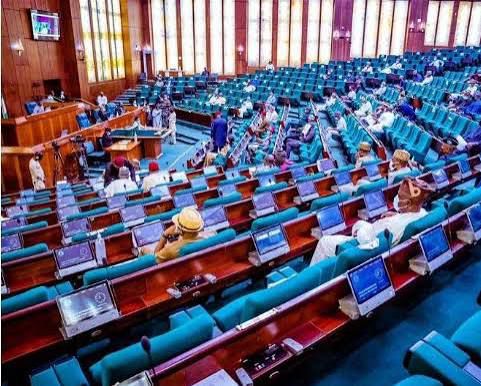
In its interim findings, the committee highlighted several provisions in the Nigeria Tax Administration Act, 2025, where the gazetted version departed sharply from the law passed by lawmakers.
One of the most contentious issues involved reporting thresholds for taxpayers. While the version approved by the National Assembly set thresholds at N50 million for individuals and N100 million for companies, the gazetted law reportedly lowered the individual threshold to N25 million.
The committee described this change as an attempt to widen the tax net without legislative approval.
Another major concern was the insertion of new subsections requiring taxpayers to deposit 20 per cent of disputed tax amounts before appealing decisions of the Tax Appeal Tribunal to the High Court.
Lawmakers said these provisions were absent from the original bill and could restrict access to justice for businesses and individuals.
The committee also flagged expanded enforcement powers granted to tax authorities in the altered version, including arrest powers and the sale of seized assets without court orders.
According to the report, these provisions undermined due process and exceeded the mandate approved by parliament.
Oversight and federal tax powers questioned
Beyond the Nigeria Tax Administration Act, the committee identified alterations in the National Revenue Service (Establishment) Act that removed provisions for National Assembly oversight.
Sections mandating quarterly and annual reporting to lawmakers were reportedly deleted in the gazetted version, raising concerns about accountability and transparency.
Additionally, lawmakers objected to changes affecting petroleum income tax and value-added tax, which were reportedly removed from the definition of federal taxes in the altered law.
The committee warned that such changes encroached on the exclusive legislative powers of the National Assembly under the Constitution.
There were also concerns about provisions mandating tax computation for petroleum operations in United States dollars, contrary to the version passed by lawmakers, which allowed transactions to be assessed in the currency used.
Implications for governance and investor confidence
Legal and policy analysts say the confirmed alterations of Nigeria’s tax laws could have far-reaching implications if not addressed promptly.
Beyond the immediate constitutional questions, the controversy risks undermining investor confidence in Nigeria’s regulatory environment at a time when the government is seeking to attract foreign capital.
Tax experts argue that certainty and predictability are critical to effective tax administration.
Any perception that laws can be altered after passage could create confusion, increase compliance costs, and expose the government to legal challenges.
Given the gravity of its findings, the Ogene-led committee has requested additional time to conduct a more comprehensive investigation.
The panel said further scrutiny is needed to determine how the alterations occurred, who authorised them, and whether similar discrepancies exist in other legislation.

