

Concerns Mount Over Repeated Probe of NNPCL Amid Sector Reforms
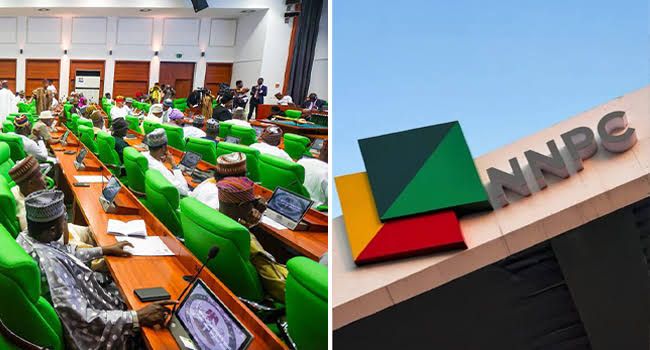
A prominent civil society coalition has issued a cautionary note to the House of Representatives, warning that the repeated probe of NNPCL could undermine investor confidence and jeopardise Nigeria’s ambitions for stability in its oil and gas sector.
The Forum for Energy Accountability (FEA), a transparency-driven advocacy organisation, said the escalating frequency of parliamentary investigations into the Nigerian National Petroleum Company Limited has begun to resemble an unnecessary regulatory overload that may harm rather than strengthen the sector.
In a strongly worded statement released on Friday, the group expressed concerns that the legislative trend, if left unchecked, might create an atmosphere of uncertainty for foreign and domestic investors who are already navigating risks intrinsic to Nigeria’s energy space.
According to its president, Comrade Ebikeme Jonathan-Ogula, the pattern of multiple summons and overlapping inquiries sends a message that Nigeria’s regulatory environment is unstable and unpredictable—two conditions investors typically avoid when allocating long-term capital.
Incessant Inquiries May Signal Regulatory Instability
The FEA said its assessment of recent parliamentary activities revealed that several House committees have launched simultaneous inquiries into different aspects of NNPCL’s operations, ranging from crude oil sales to joint venture cash calls, frontier basin exploration, and internal corporate governance processes.
Jonathan-Ogula described this pattern as a “regulatory siege,” noting that the constant demand for explanations, documents, and physical appearances by senior NNPCL executives raises questions about whether the probes are coordinated or properly justified.
He acknowledged that oversight is an essential democratic function but emphasised that “oversight must not be mistaken for harassment.”
According to him, when the repeated probe of NNPCL begins to occur without clear procedural timelines or consolidated reporting structures, the National Assembly risks weakening the very institutions it seeks to hold accountable.
His statement added, “Accountability is meaningful only when it strengthens transparency and efficiency. When it becomes excessive, duplicative, or erratic, it creates operational disruption and public confusion.”
The group warned that the recent flurry of parallel inquiries could erode trust, especially at a time when global capital is highly mobile and tends to migrate to jurisdictions with stable legal frameworks and predictable regulatory behaviours.
PIA Implementation and Global Shifts Require Stability
Nigeria’s oil and gas sector is still adjusting to the reforms embedded in the Petroleum Industry Act (PIA), which restructured the governance architecture of the hydrocarbons market.
The law introduced new regulatory bodies—the Nigerian Upstream Petroleum Regulatory Commission (NUPRC) and the Nigerian Midstream and Downstream Petroleum Regulatory Authority (NMDPRA)—which are presently harmonising licencing, compliance, and operational frameworks.
Jonathan-Ogula noted that the transition phase requires stability, clarity, and alignment across regulatory institutions.
However, the repeated probe of NNPCL risks clashing with ongoing regulatory reviews, leading to conflicting directives or duplicated efforts across agencies and parliamentary committees.
He added that investors evaluating Nigeria’s upstream and midstream potential already weigh multiple risks, including security challenges in host communities, infrastructure gaps, rising operational costs, and volatile fiscal terms.
Introducing unpredictable legislative demands into this mix, he argued, could further diminish Nigeria’s competitive advantage at a time when African peers such as Namibia, Angola, and Mozambique are attracting new exploration commitments.
Investigations Must Be Streamlined for Effective Oversight
The advocacy group urged the House leadership to establish clear coordination mechanisms for oversight functions.
It recommended consolidating related investigations under unified committees to avoid duplication and ensure that findings are consistent and strategically aligned.
Jonathan-Ogula also called for improved collaboration between the legislature and regulatory agencies, emphasising that oversight should complement—not complicate—the regulatory environment.
According to him, consolidating inquiries and aligning them with statutory audit cycles would minimise operational disruptions and ensure NNPCL’s management remains focused on its core mandate of stabilising supply, supporting domestic refining growth, and expanding gas infrastructure.
He explained that “the objective of oversight should be to build confidence. When oversight becomes excessive, the opposite occurs.”
The statement further noted that effective parliamentary scrutiny should generate corrective insights and institutional improvements, rather than public spectacle or unnecessary political pressure.
Impact on NNPCL Operations and National Investment Priorities
Many industry players have echoed concerns that the repeated probe of NNPCL could hamper the company’s ability to meet key national targets.
NNPCL is currently involved in joint venture restructuring, rehabilitation of domestic refineries, expansion of gas processing facilities, and investment in cross-border pipelines—all essential components of Nigeria’s broader energy transition and revenue diversification goals.
Analysts warn that continuous summons disrupt strategic planning cycles, burden senior management, and inject uncertainty into operational timelines associated with production commitments and infrastructure rollout.
Furthermore, foreign partners who observe the heightened scrutiny without clear coordination may interpret it as a sign of political instability or institutional fragility, both of which diminish Nigeria’s attractiveness as an investment destination.
The Forum for Energy Accountability concluded by urging the leadership of the House of Representatives to intervene swiftly.
It stressed that the country is at a critical juncture where global competition for petroleum investment is fierce, and Nigeria must project a unified, stable, and predictable policy environment.
Jonathan-Ogula said,
“Nigeria cannot afford investor hesitation or withdrawal at a time when capital is flowing toward economies offering regulatory clarity. The House must exercise its oversight role in a manner that does not create conflict with ongoing reforms.”
He added that ensuring balance between accountability and operational efficiency is essential if Nigeria hopes to strengthen its petroleum sector and secure long-term investments that drive economic growth.
About The Author


