Vladimir Putin’s cancellation of the Russia-Arab summit has starkly revealed Moscow’s diminishing influence across the Middle East amid the continuing Ukraine war’s geopolitical fallout.
Originally planned for April, the summit aimed to gather regional leaders in Moscow, showcasing Russia as a strategic counterweight to Western influence and sanctions pressures.
Kremlin officials had invested months in preparation, expecting a strong turnout to demonstrate Moscow’s continued relevance in regional security and energy diplomacy negotiations.
However, only a handful of leaders confirmed attendance, including Syria’s Ahmed al-Sharaa and Arab League chief Ahmed Aboul Gheit, forcing Moscow to shelve the highly publicized summit.
The cancellation coincided with global attention on Egypt, where Donald Trump and Abdel Fattah al-Sisi hosted a Gaza peace summit attracting multiple Middle Eastern and European leaders.
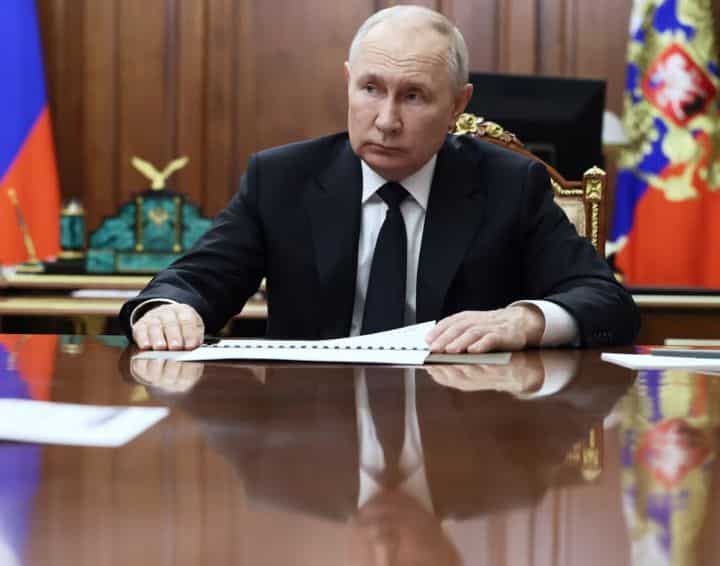
Russia’s absence in Sharm el-Sheikh highlighted its declining influence, despite years of cultivating ties and hosting Palestinian and Hamas delegations for diplomatic talks in Moscow.
Analysts attribute Moscow’s waning role directly to the Ukraine war, which has drained military, economic, and diplomatic resources necessary for active regional engagement.
“Russia’s diplomatic role in the Middle East has declined as a result of the Ukraine war,” said Hanna Notte, Berlin-based Russian foreign policy expert.
Notte added, “For all the major developments, key regional players no longer look to Moscow; Russia is increasingly sidelined despite historical connections in the region.”
The Sharm el-Sheikh summit also underscored a broader regional shift, with many leaders now seeking closer ties to Trump as Western frustration with Putin grows.
For nearly a decade, Moscow used the Middle East to regain global prominence, beginning with its 2015 military intervention in Syria, which saved Bashar al-Assad’s regime from collapse.
That intervention secured Russia permanent naval and air bases on the Mediterranean, reinforcing Moscow’s image as a power capable of projecting force beyond its borders.
However, the full-scale Ukraine invasion forced Russia to divert resources, weakening its ability to support allies like Assad and leaving Iran vulnerable to repeated Israeli military strikes.
Despite years of cultivating influence with the Palestinian Authority and hosting Hamas delegations, Russia had no meaningful role in the recent Gaza ceasefire negotiations.
Putin’s partial alignment with Palestinians and Iran has strained Moscow’s relations with Israel, which recently transferred Patriot missile systems to Ukraine, signaling shifting regional alliances.
Publicly, Russian officials praised Trump’s efforts in Gaza, reflecting a charm offensive designed to maintain relevance without directly engaging in US-led initiatives.
Putin stated last Friday that postponing the Russia-Arab summit “avoids interfering” with Trump’s initiative, adding, “If Trump succeeds, it would be a truly historic event.”
Nevertheless, frustration has surfaced among Russian officials. Foreign Minister Sergei Lavrov stated Moscow “would not refuse to take part in Middle East settlement efforts if invited,” yet will not impose itself.
Meanwhile, Dmitry Medvedev dismissed the Gaza deal as insufficient, saying, “Releasing Israeli hostages and Palestinian prisoners is positive, but it will not solve anything fundamentally.”
He emphasized, “Until a full Palestinian state is established under UN resolutions, the war will continue. Everyone understands this,” reflecting Russia’s hawkish skepticism toward regional diplomacy.
Moscow’s retreat extends beyond the Middle East. Across Central Asia and the Caucasus, states like Kazakhstan, Armenia, and Azerbaijan are reassessing dependence on Russia for security guarantees.
In August, Trump hosted Armenian and Azerbaijani leaders at the White House, mediating a peace deal and creating the “Trump Route” corridor, bypassing Moscow’s influence in the region.
Both Armenian Prime Minister Nikol Pashinyan and Azerbaijani President Ilham Aliyev attended the Gaza summit in Egypt, signaling a clear pivot toward US engagement and away from Russian influence.
The Kremlin indicated that the Russia-Arab summit might be rescheduled in November, but analysts caution that symbolic gestures cannot restore Moscow’s declining regional sway.
“A summit reinforces Russia’s message that it is not isolated outside the West,” said Notte. “But it does not restore Russia as a major player in the region.”
The cancellation also highlights wider consequences of the Ukraine war, with Russia’s influence diminishing not only in the Middle East but across multiple strategic regions globally.
Russia’s inability to assert itself in Gaza, combined with growing US engagement, underscores a critical reality: regional influence requires consistent presence and tangible diplomatic action.
For Putin, reconciling ambition with shrinking resources is a growing challenge, as domestic pressures from Ukraine increasingly constrain Moscow’s ability to project power abroad.
Observers note that Moscow’s attempts to maintain regional visibility risk appearing superficial without substantive policy outcomes, further eroding credibility among Middle Eastern partners.
As the geopolitical environment shifts, the Kremlin’s capacity to influence events in the Middle East diminishes, leaving room for the US and other actors to shape outcomes decisively.
Russia’s postponed summit serves as a warning that historical ties alone cannot maintain influence, and the Ukraine war has irreversibly reshaped Moscow’s global standing and strategic reach.
The failure of the Russia-Arab summit also reflects internal contradictions in Kremlin foreign policy, where ambition is increasingly constrained by overstretched resources and global isolation.
Analysts argue that Russia’s influence in the Middle East is now largely symbolic, with real leverage ceded to the United States and regional powers pursuing more pragmatic, results-driven diplomacy.
Hanna Notte remarked, “Moscow’s symbolic gestures do not translate into policy impact; the region increasingly views Russia as a spectator rather than a driver of events.”
Russia’s historical efforts in Syria, Gaza, and Iran no longer suffice to maintain credibility, especially as Trump’s mediation initiatives highlight US capacity to shape outcomes directly.
Even rescheduling the summit for November may not change the underlying reality: Russia’s influence in the Middle East has eroded, and regional players are pursuing partnerships independent of Moscow’s agenda.
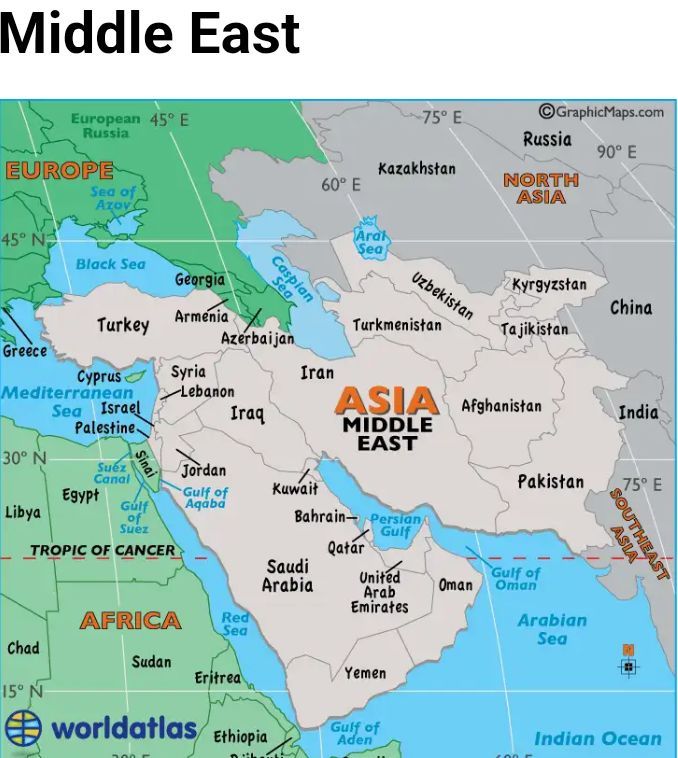
The Ukraine war, internal political pressures, and misaligned alliances have collectively undermined Russia’s traditional sway in the region, signaling a long-term strategic decline in its Middle East footprint.
Putin’s failed summit underscores a key lesson: without active, resource-backed engagement, Russia’s influence in the Middle East will continue to shrink, leaving Moscow increasingly sidelined.
About The Author