

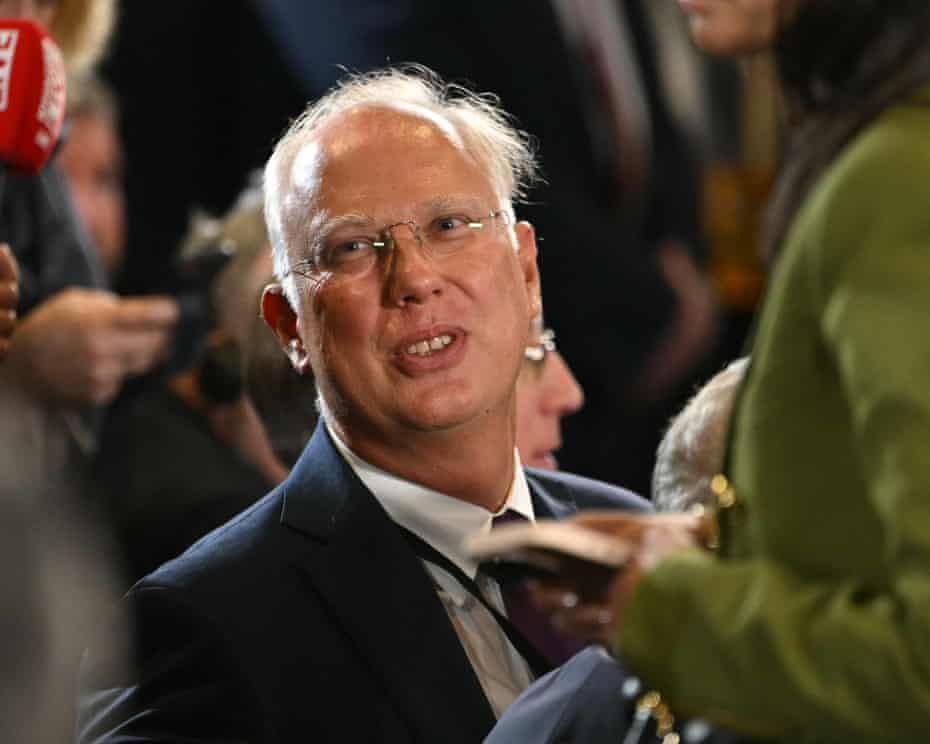
Russian negotiator Kirill Dmitriev says the US is beginning to recognise the strategic importance of Russian oil during negotiations over the Ukraine war and global energy instability.
Dmitriev said talks with US representatives were constructive. He wrote: “We discussed promising projects that could contribute to the restoration of Russian-American relations and the current crisis on global energy markets.”
The negotiations took place in Florida between Russian officials and US envoys including Steve Witkoff and Jared Kushner, which Dmitriev described as “productive.”
The meeting occurred shortly before Washington issued a 30-day licence allowing countries to purchase Russian oil stranded at sea to help stabilise global energy markets shaken by the Middle East conflict.
US President Donald Trump recently spoke with Vladimir Putin, later saying the Russian leader wanted to be “helpful” regarding the growing regional war.
Despite sanctions, Russia has continued earning significant revenue from fossil fuel exports. Analysts estimate the country has earned around €6bn from oil, gas and coal sales since the latest Middle East conflict erupted.
The figures suggest Moscow generated roughly €672m in additional fossil fuel revenues during March alone, highlighting how global instability is strengthening demand for Russian energy supplies.
Meanwhile tensions are rising between Ukraine and Hungary after authorities in Budapest seized armoured vehicles carrying cash and gold belonging to Ukrainian bank officials crossing the border.
Hungarian authorities later returned the vehicles but retained the money and gold, citing an investigation into alleged money laundering, a decision strongly condemned by Kyiv.
Ukraine accused Hungary of effectively stealing the funds and using the detained bank staff as leverage to pressure Kyiv into restoring suspended oil shipments through regional pipelines.
The dispute also involves the Druzhba oil pipeline, which transports Russian oil to parts of Europe including Hungary and Slovakia but has remained damaged and inactive since January.
The European Commission has proposed sending inspectors to evaluate the pipeline’s condition in Ukraine, though it is still awaiting Kyiv’s approval before the mission can proceed.
Hungarian prime minister Viktor Orbán further escalated tensions by claiming Ukrainians were plotting attacks against members of his family.
Orbán’s accusations surfaced as Hungary heads toward a national election where polling suggests his party is trailing behind challenger Péter Magyar.
In the military arena, Ukraine is opening access to battlefield data to allied nations and defence firms to help train artificial intelligence systems used in advanced drone warfare.
Officials say these data sets contain valuable information on combat patterns, troop movements and battlefield behaviour that could help automated systems identify targets more accurately.
The Kremlin has also accused Ukraine of launching drone strikes against a major gas pipeline in southern Russia that transports energy supplies toward Turkey.
Kremlin spokesman Dmitry Peskov said: “At night there were renewed attempts to attack the Russkaya compressor station with drones.”
Peskov described the pipeline as an international energy facility, warning that attacks against such infrastructure threaten regional energy security.
He added: “These are absolutely reckless actions by the Kyiv regime,” criticising Ukraine for targeting infrastructure connected to international energy supply chains.
The pipeline in question ultimately feeds energy toward Turkey, highlighting the broader geopolitical consequences of continued strikes on critical infrastructure.
Meanwhile the European Union has warned that the Venice Biennale could lose funding if organisers proceed with plans to allow Russian participation.
EU officials warned that including Russia would violate ethical guidelines tied to a €2m funding agreement with the prestigious international art exhibition.
Ukrainian authorities have strongly opposed Russia’s presence at the festival, arguing it would effectively offer a global platform to “whitewash war crimes.”
Elsewhere, Ukraine and Romania have signed an agreement to jointly produce Ukrainian defence systems including drones inside Romanian territory.
Read also: Amanda Wixon house slave case: Woman jailed after decades of forced labour and captivity
Romania, a NATO member sharing a long border with Ukraine, has become an increasingly important partner in Kyiv’s defence supply chain during the prolonged war.
The agreement reflects the growing militarisation of Europe as the Ukraine conflict approaches its fourth year and technological warfare continues evolving.
How well do you think the global energy crisis is shaping the outcome of the Ukraine war?
About The Author


