
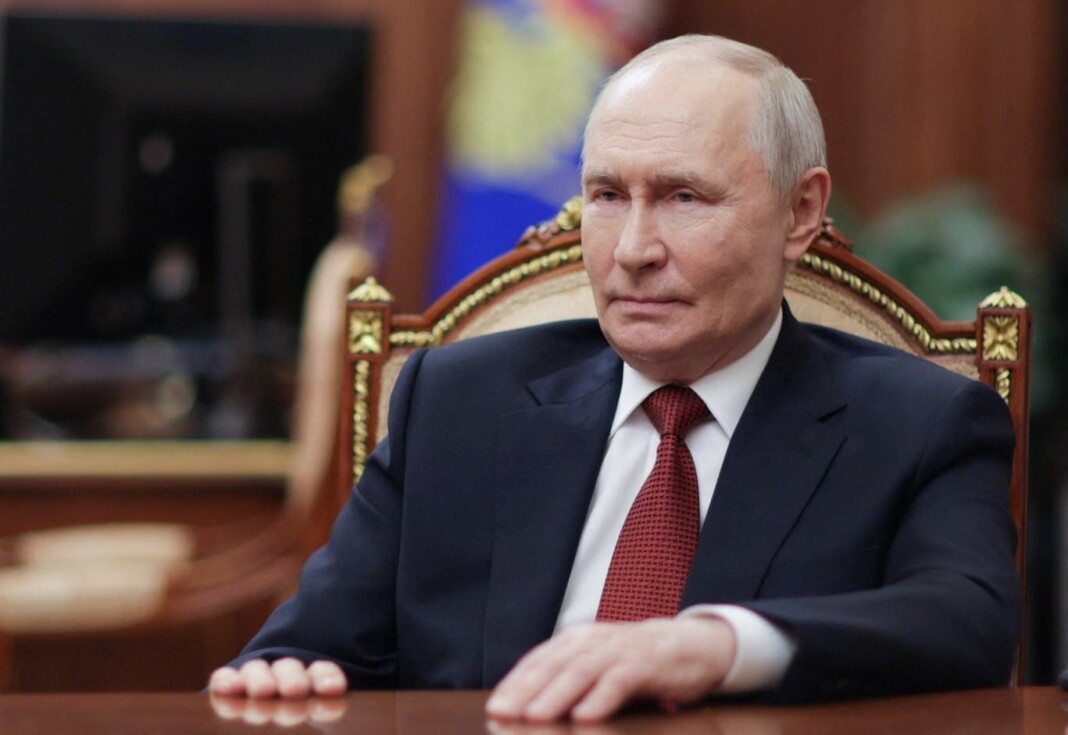

The Putin Ukraine War Problems have moved from battlefield rumour to state TV admission. On Sunday 30 June 2026, Vladimir Putin told a Kremlin reporter that Russia was facing “problems” after repeated Ukrainian strikes on refineries and energy infrastructure.
Queues at petrol stations, rationing in Crimea and Siberia, and a reported five per cent fall in crude output have made the cost of the war visible inside Russia. For a leader who has projected control for four years, the candour marks a turning point. The combination of Ukrainian drone strikes, thinning air defence coverage, and growing public frustration is forcing Moscow to confront gaps it can no longer hide.
Putin Speaks, and the Narrative Shifts
A Rare Admission of “Problems”
Speaking hours after a Krasnodar refinery was hit, Putin said, “As for strikes against critical infrastructure in general, and energy infrastructure in particular… these attacks on our infrastructure facilities create problems, that’s obvious.” He tried to downplay the scale, adding, “Right now we’re observing a certain shortage, but it’s not critical.” The wording matters. In a system built on projecting inevitability, acknowledging a “shortage” at all signals pressure. The clip circulated fast, with images of queues and ration notices giving the words weight.
Blame the West, Face the Facts
Putin pivoted to external blame, claiming Russia faces “harsh, and without any exaggeration, unprecedented pressure from Western elites.” He insisted they are “failing” to defeat Russia on the battlefield and are trying to “destabilise the political situation.” Yet the facts on the ground point to a domestic vulnerability: refineries knocked offline, fuel moving slower, and regions feeling the pinch. Analysts estimate more than a fifth of Russia’s refining capacity may be offline, and the IEA reported a 5 per cent year-on-year production drop last month due to the strikes.
Drones, Distance, and Strategic Effect
Kyiv’s Long-Range Campaign Bites
Ukraine has intensified attacks on refineries, depots and supply routes with cutting-edge long-range drones. Footage of a Moscow-area refinery explosion underscored the reach. The IEA called the disruption “unprecedented in the history of the Russia-Ukraine conflict.” Unlike frontline artillery duels, these strikes hit logistics and cash flow. Less refined product means fewer trucks moving, slower agriculture, higher prices, and visible queues.
Crimea and Siberia Lead the Shortage
Occupied Crimea declared a state of emergency late last week after strikes caused power outages and fuel gaps. Siberia has seen rationing too. Panic-buying has appeared in cities, with motorists waiting for hours. The peninsula is especially sensitive, because any supply crunch there can affect both civilians and the military flow toward southern Ukraine. John Lough of the New Eurasian Strategies Centre warns, “Russia’s air defences are not doing their job, so there is a risk that the problem will become more acute.”
Air Defence Gaps the Kremlin Cannot Mask
Holes in the Shield
For months, Russian officials claimed layered air defence could protect strategic sites. The scale of refinery fires suggests otherwise. Mobile drone swarms, low-flying profiles, and saturation tactics have found seams. When a refinery burns, the effect is national: prices rise, convoys slow, and public confidence erodes. Lough says, “You add to that Crimea, which the Ukrainians are continuing to hit hard, and two crises could come together.”
Public Mood Moves From Patience to Pressure
Fuel is political. Russians tolerate many things, but queuing for petrol and seeing ration notices is different. The visible hardship brings the war home. Keir Giles of Chatham House argues, “Putin is gradually being forced to publicly admit more and more about the reality of the war. In that respect, Ukraine’s long-term aim of bringing that reality home to Russians across the country is beginning to succeed.” The regime now owns the images as well as the rhetoric.
Economics, Logistics, and the Army’s Flow
Refining Capacity Under Strain
Refineries are not light switches. When units go offline, restart is slow and expensive. With over a fifth of capacity reportedly disrupted, the economy loses export earnings and domestic supply. The IEA’s five per cent production dip is a headline, but the downstream effect on diesel for trucks and tractors is the real friction point.
Military Logistics at Risk
An army runs on fuel. If supply lines into Crimea tighten and southern routes are stretched, the battlefield feels it. Lough notes, “If the situation on the peninsula worsens, more people flee and the supply problems start to more seriously affect the Russian army’s operations in Ukraine, the regime could find itself in greater difficulty.” That is the intersection where Russian fuel shortages meet operational risk.
Sanctions, Rhetoric, and the Domestic Story
Sanctions as a Scapegoat
Putin blames the West for “unprecedented pressure.” Sanctions do bite, especially on technology and finance. But they do not explain refinery fires. The Kremlin is mixing two truths: sanctions constrain, and drones destroy. Voters will judge which one fills their tank.
Information Control Is Cracking
For years, state media kept the war distant. Now state TV is carrying images of queues and rationing alongside the president’s admission. That creates a feedback loop. Citizens see the problem, hear the leader name it, and expect action. The gap between expectation and delivery becomes political.
Strategy and Choices for Moscow
Escalate, Endure, or Freeze?
Giles sees a narrowing path: “All of this means he may eventually accept what has been obvious for some time: that Russia has more to gain from freezing the conflict than from continuing to fight if current trends persist.” A freeze would be sold as prudence. Escalation would risk more strikes and more shortages. Endurance means asking the public to accept rationing without a clear end.
The Air Defence Repair Bill
Patching the shield costs money and time. Radars, interceptors, decoys, and dispersed storage all help, but they are not instant. Every refinery hardened is a resource taken from another front. Moscow must choose which assets to protect, and which to leave exposed. That is the arithmetic of Russia air defence failures.
Kyiv’s Calculus and Allied Support
Drones as Leverage
Kyiv is using drones to create strategic leverage without mass infantry assaults. Hitting refineries pressures the economy, tests air defence, and forces Moscow to divert resources. It also gives diplomats a card: the cost of continuing versus the cost of pausing.
Peace Talk Optics
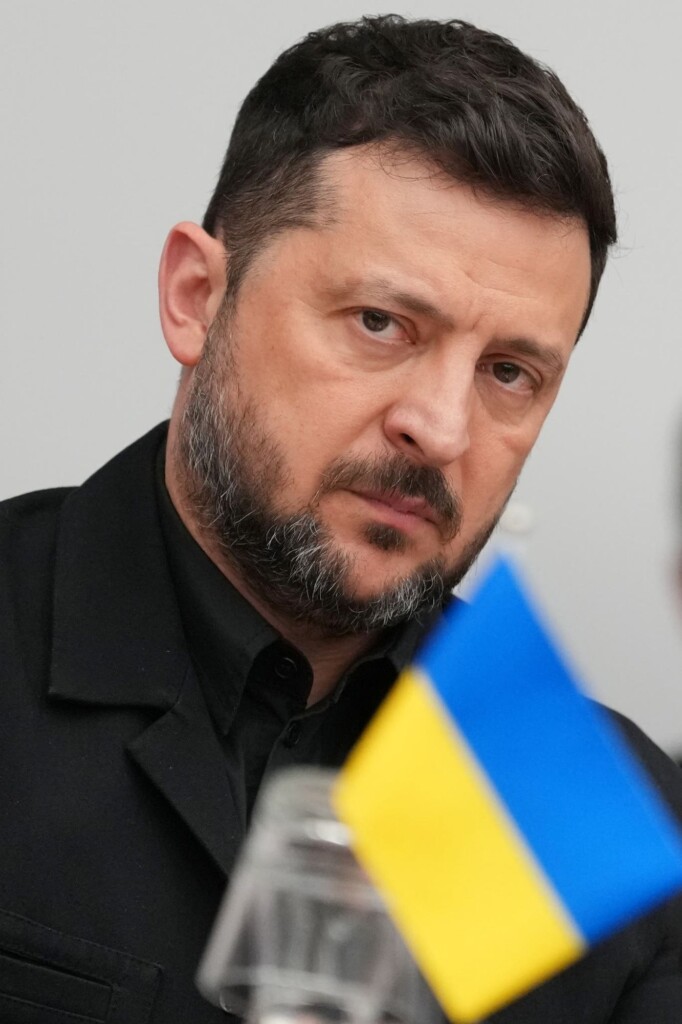
With Zelensky and European leaders pushing for renewed talks, the fuel crisis gives Kyiv momentum. It does not guarantee concessions, but it changes the picture. When queues form in Russian cities, the war is no longer abstract. That is a powerful image in any negotiation.
What Happens Next Inside Russia
Rationing, Prices, and Regional Spillover
If shortages spread, prices will rise and regional governments will face protests. Agriculture needs diesel. Logistics need petrol. Winter needs heating fuel. A cascading shortage would be hard to spin. The Kremlin will likely surge fuel to key cities and the army, but that squeezes everyone else.
Elite Management and Loyalty
Putin’s inner circle will be watching the numbers and the streets. The regime can absorb economic pain, but it prefers it to be invisible. Visible rationing risks elite friction, especially if military supply is prioritised over civilian life. Managing that trade-off will be delicate.
International Reaction and Market Signals
Markets Read the Refinery Fires
Oil markets react to refinery risk, not just crude output. Disruption at multiple sites creates volatility. Traders watch whether Moscow can stabilise supply or whether more sites go offline. The story is no longer just sanctions, it is fire and smoke.
NATO and European Alignment
European capitals will note the strain. If Kremlin pressure mounts, allies may coordinate on resilience and aid. The war’s economic dimension is now front and centre, and that helps keep Western support aligned.
The Human Picture Behind the Headlines
Drivers, Farmers, and Families
Behind the statistics are drivers idling in queues, farmers rationing diesel for harvest, and families adjusting budgets. The war’s abstraction collapses when a pump runs dry. That is why the images matter as much as the numbers.
Information, Trust, and Expectations
When a leader admits a problem, people expect a solution. If rationing persists and prices rise, trust erodes. If repairs come quickly, the regime can claim competence. The next month will test which story wins.
Read also: Starmer defence investment plan sparks backlash over £15bn armed forces boost
Bottom Line
The Putin Ukraine War Problems are now public, visible, and economic. Ukrainian drone strikes have turned energy infrastructure into a front line. Russian fuel shortages are showing up at pumps and in policy choices. Russia air defence failures are harder to deny, and Kremlin pressure is building from queues as much as from sanctions. Putin can still escalate, endure, or seek a freeze, but the room to pretend the war is cost-free has closed.
About The Author


