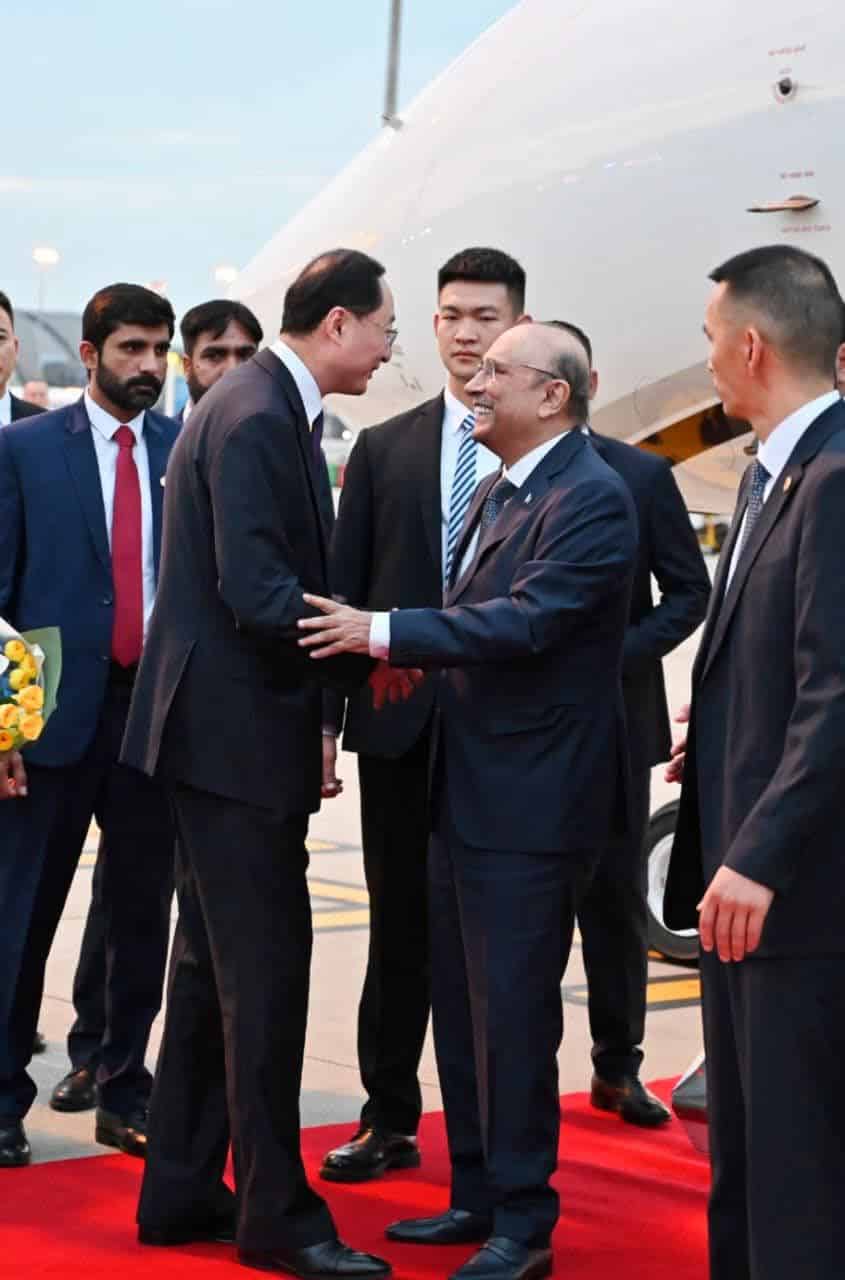
Doha, Qatar – Prime Minister Shahbaz Sharif in Qatar is set to attend the emergency Arab-Islamic Summit scheduled for September 15 in Doha.
The summit, convened with the cooperation of Pakistan, has been called to address pressing regional concerns, including the Israeli attack on Qatar, the worsening humanitarian situation in Gaza, and broader issues of regional security.
The presence of Prime Minister Shahbaz Sharif in Qatar underscores Pakistan’s deep commitment to the unity of the Arab and Islamic world at a time of heightened geopolitical tension.
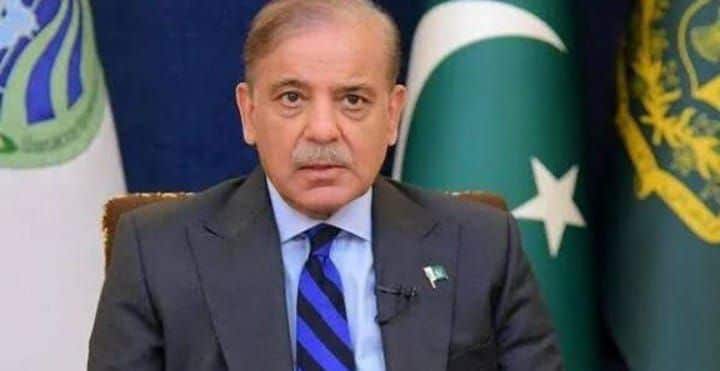
Prime Minister Shahbaz Sharif in Qatar has drawn considerable diplomatic attention as the gathering comes at a crucial moment for the Middle East.
The Israeli attack on Qatar has been described by regional observers as a grave provocation, raising the stakes for peace and stability in the Gulf.
Leaders from across the Muslim world are expected to engage in urgent consultations, and the role of Prime Minister Shahbaz Sharif in Qatar is seen as pivotal in shaping the discussions.
Diplomatic officials have noted that Prime Minister Shahbaz Sharif in Qatar will emphasize Pakistan’s longstanding position of supporting dialogue, diplomacy, and solidarity with the people of Palestine.
The situation in Gaza, which continues to deteriorate under blockade and bombardment, will be central to the summit’s deliberations.
As one senior Pakistani diplomat explained, “The Prime Minister’s participation is not just symbolic, it is a clear signal that Pakistan stands shoulder to shoulder with Qatar and with the Palestinian people.”
The emergency summit convened in Doha has been widely described as historic. By taking the initiative to support the call for this gathering, Pakistan has demonstrated its proactive role in regional diplomacy.
The visible presence of Prime Minister Shahbaz Sharif in Qatar highlights Islamabad’s commitment to collaborative solutions and the strengthening of Arab-Islamic unity in the face of challenges that threaten peace and stability.
Prime Minister Shahbaz Sharif in Qatar has already made efforts to strengthen ties with Doha. In recent weeks, he traveled to the Qatari capital to show solidarity with the leadership of Qatar and to discuss avenues for greater cooperation.
According to officials, these earlier consultations paved the way for Pakistan’s active role in shaping the agenda of the emergency summit.
By arriving early and engaging directly with Qatari leadership, Prime Minister Shahbaz Sharif in Qatar has reinforced the impression that Pakistan is a trusted partner and a reliable voice in the Islamic world.
“The emergency Arab-Islamic Summit will not only address the immediate crisis of the Israeli attack on Qatar but will also lay out a framework for future collaboration,” said a senior regional analyst in Doha.
“Prime Minister Shahbaz Sharif in Qatar is expected to emphasize the importance of Muslim unity, collective security, and a shared strategy for addressing the humanitarian crisis in Gaza.”
Observers have also pointed out that Prime Minister Shahbaz Sharif in Qatar will use the platform to highlight Pakistan’s sacrifices and contributions to regional peace over the decades.
Pakistan has consistently advocated for the Palestinian cause, opposed aggression in the Middle East, and called for a two-state solution based on internationally recognized borders.
Prime Minister Shahbaz Sharif in Qatar is expected to reaffirm this position, while also urging Arab and Islamic states to adopt a united stance against aggression and occupation.
The timing of the summit could not be more critical. With tensions escalating in Gaza, regional instability spreading, and the Israeli attack on Qatar drawing widespread condemnation, the need for coordinated action is urgent.
Leaders from across the Arab and Islamic world have expressed hope that the presence of Prime Minister Shahbaz Sharif in Qatar will contribute to forging consensus and bridging divides that have sometimes weakened collective responses in the past.
The agenda of the summit includes discussions on humanitarian aid, reconstruction, and strategies to prevent further escalation in Gaza.
Prime Minister Shahbaz Sharif in Qatar is expected to put forward Pakistan’s readiness to contribute to humanitarian initiatives, technical assistance, and peace-building measures.
Pakistan’s experience in managing large-scale humanitarian operations and its longstanding commitment to the Palestinian cause lend credibility to its role in the summit.
Beyond the immediate crisis, Prime Minister Shahbaz Sharif in Qatar will also seek to deepen Pakistan’s bilateral relationship with Doha.
Qatar has been an important partner for Pakistan in energy cooperation, investment, and expatriate employment.
The emergency summit offers an opportunity for the Prime Minister to underline the importance of strengthening these ties even as both nations work together on broader Islamic world challenges.
Regional media have been closely following the visit, with several outlets highlighting the diplomatic symbolism of Prime Minister Shahbaz Sharif in Qatar.
The Prime Minister’s decision to prioritize this summit, despite pressing domestic concerns, signals Islamabad’s recognition of the centrality of Arab-Islamic unity in addressing shared threats.
One Qatari commentator noted, “Pakistan’s active involvement shows that it is not just a regional player but a global advocate for justice and solidarity within the Muslim world.”
For many Pakistanis, the presence of Prime Minister Shahbaz Sharif in Qatar carries domestic political significance as well.
At a time of economic and political uncertainty at home, the Prime Minister’s active engagement on international issues may reinforce the perception of Pakistan as a responsible and engaged member of the global community.
His participation is seen not only as a diplomatic mission but also as a reaffirmation of Pakistan’s broader identity as a nation committed to justice, peace, and the defense of the oppressed.
The emergency Arab-Islamic Summit will conclude with a joint declaration, and officials expect Prime Minister Shahbaz Sharif in Qatar to play an instrumental role in shaping its language.
Pakistan has consistently supported declarations that combine strong condemnation of aggression with practical steps for humanitarian relief and diplomatic engagement.
Prime Minister Shahbaz Sharif in Qatar is expected to push for concrete measures to support Gaza, reinforce Qatar’s sovereignty, and establish mechanisms for long-term regional stability.

As the summit unfolds, the global community will be watching closely. The Israeli attack on Qatar has raised concerns about broader conflict in the Gulf, while the worsening situation in Gaza continues to provoke outrage.
The participation of Prime Minister Shahbaz Sharif in Qatar ensures that Pakistan’s voice will be heard in the debate, advocating for unity, justice, and peace.
In the words of one diplomat present at the airport to welcome the Prime Minister, “This is a historic moment.
Prime Minister Shahbaz Sharif in Qatar represents not only Pakistan’s position but also the hopes of millions who wish to see the Muslim world united and strong in the face of aggression.”
As the emergency Arab-Islamic Summit concludes, the presence of Prime Minister Shahbaz Sharif in Qatar will be remembered as a key moment in Pakistan’s ongoing commitment to Arab-Islamic solidarity and regional peace.
His participation highlights the enduring relevance of Pakistan as a diplomatic actor capable of contributing to solutions at times of crisis, reinforcing the bonds of friendship, and advancing the cause of justice in the Middle East.
About The Author