

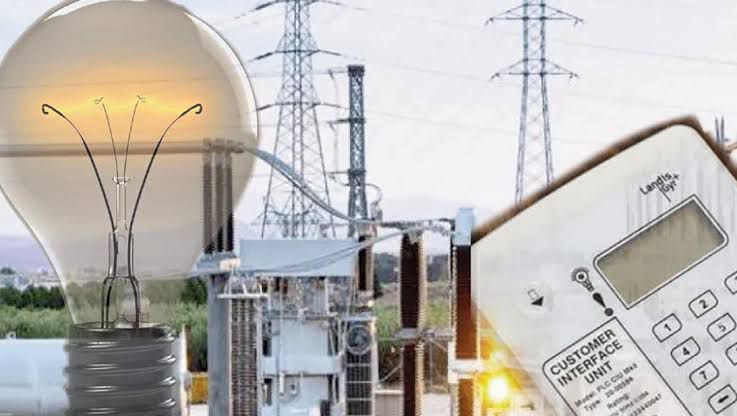
Electricity consumers in Nigeria failed to remit over N70 billion to power distribution companies (DisCos) in May 2025, raising serious concerns over the financial viability of the country’s power sector.

According to the latest Commercial Performance Report published by the Nigerian Electricity Regulatory Commission (NERC), the 12 DisCos billed consumers a total of N261.82bn during the month, but could only recover N191.57bn — resulting in a collection efficiency of 73.17%, down from 77.59% in April 2025.
The NERC report revealed a paradox in performance: while the total energy received by DisCos increased by 5.80% to 2,774.49 GWh, and energy billed rose by 3.25% to 2,255.51 GWh, billing efficiency still dropped to 81.29%, from 83.30% in April. This signals that despite more electricity being delivered and sold, the ability to charge and collect payment effectively is worsening.
Even more troubling is the significant drop in revenue recovery performance. While the average allowed tariff stood at N116.25/kWh, the actual average amount collected was just N82.05/kWh — indicating a recovery efficiency of 70.58%, a steep decline of 7.32 percentage points compared to April.
This widening gap between what DisCos are permitted to collect and what they actually recover poses a severe risk to the financial health and sustainability of the Nigerian power sector. Without sufficient revenue, DisCos struggle to meet operational costs, invest in infrastructure, or remit funds to the Transmission Company of Nigeria (TCN) and generation companies (GenCos).
The report also highlights disparities in efficiency among the 12 DisCos:
Ikeja Electric led in billing efficiency with 89.04%, while Eko DisCo had the highest recovery efficiency at 82.52%, closely followed by Ikeja at 81.55%.
Jos DisCo fared worst in collection efficiency with only 35.55%, while Yola DisCo posted the lowest billing efficiency at 63.45%.
These variations reflect longstanding structural and operational weaknesses, especially in the northern region where metering gaps, low-income populations, and electricity theft are more prevalent.
The NERC’s findings come at a time when Nigeria’s power sector is already grappling with multiple challenges, including:
Widening metering gaps and poor customer enumeration
Rising inflation and cost of diesel for DisCo operations
Public dissatisfaction over intermittent power supply despite higher bills
Ongoing tariff adjustments under the Multi-Year Tariff Order (MYTO) framework
The N70.25bn revenue shortfall in May alone illustrates the deepening crisis of liquidity in the power value chain — a crisis that, if left unaddressed, could undermine recent reform efforts and discourage private sector investments.
Industry analysts and consumer rights groups have called on the federal government to strengthen enforcement mechanisms for debt recovery, enhance mass metering programs, and promote consumer education to reduce resistance to billing compliance.
Additionally, NERC may need to re-evaluate DisCo performance benchmarks and impose tougher penalties on persistently underperforming operators while incentivizing those delivering optimal results.
With over N70 billion unpaid in a single month, Nigeria’s electricity market continues to operate below sustainable thresholds. Unless urgent reforms are implemented to close billing and collection gaps, boost customer trust, and align tariff with service delivery, the dream of stable and financially viable electricity supply may remain elusive.
About The Author
