

The US defense secretary, Pete Hegseth, firmly denied that he ordered any deaths on an alleged ‘narco-boat’, calling reports “fake news” meant to discredit the military.
Hegseth criticized the Washington Post report as “fabricated, inflammatory and derogatory reporting to discredit our incredible warriors fighting to protect the homeland,” emphasizing lawfulness of US strikes.
The alleged incident occurred on 2 September, when analysts reported a boat in the Caribbean, part of a series of Pentagon operations targeting drug trafficking networks.
Two senators, Republican Roger Wicker and Democrat Jack Reed, said the Senate armed services committee would investigate the alleged strike thoroughly, pledging vigorous oversight to uncover all facts.
Hegseth stressed the series of operations were “lawful under both US and international law,” countering claims that he had instructed officials to “kill everybody” on the boat.
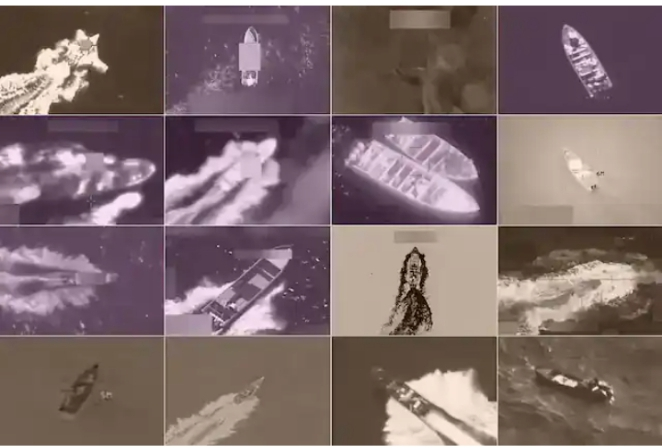
Adm Frank M “Mitch” Bradley, head of Special Operations Command, reportedly ordered a second strike on survivors, allegedly to comply with Hegseth’s instructions, according to media reports.
Over 80 people have been killed in these operations across the Caribbean, with at least 22 boats targeted by Trump administration missile strikes in recent months.
The administration has claimed all people on the boats were part of the Venezuelan gang, Tren de Aragua, which it had designated a terrorist organization earlier this year.
Hegseth wrote on social media, “Every trafficker we kill is affiliated with a Designated Terrorist Organization,” highlighting the administration’s emphasis on disrupting drug-trafficking networks threatening the United States.
Venezuelan officials have condemned the operations, labeling the strikes “extrajudicial executions” and alleging violations of due process in targeting individuals on the Caribbean waters.
The Associated Press report questioned claims that all victims were narco-terrorists, revealing some men killed were lower-level operatives, not leaders or direct threats to US national security.
Some US military officials quietly raised concerns internally, including senior legal advisors who disagreed with the administration’s interpretation of lawful authority over the strikes.
Adm Alvin Holsey, overseeing attacks on boat strikes, resigned in October, reportedly after raising legal objections, though no official reason was provided by the Department of Defense.
The White House has insisted the Caribbean operations were justified due to the direct threat posed by drug traffickers and to combat rising fentanyl overdoses in the US.
However, lawmakers and drug experts have noted that fentanyl is not primarily sourced from Venezuela, challenging the administration’s justification for lethal strikes in the Caribbean.
US officials argue that these measures are part of a broader self-defense effort, aiming to protect American citizens and allies in the region from organized crime.
A few survivors, including Ecuadorian and Colombian men, were captured and subsequently returned to their home countries after brief detention, highlighting the rarity of live rescues during strikes.
In October, one boat strike off Mexico’s Pacific coast prompted a search-and-rescue operation by the Mexican navy, underlining international concern over the lethal operations in Caribbean waters.
The Trump administration has repeatedly framed the strikes as part of a broader counter-terrorism effort, linking the operations to US allies’ security and regional stability.
Experts on organized crime have noted that Tren de Aragua and the Cartel de los Soles consist largely of loosely affiliated members, raising questions about targeting individuals as terrorists.
Hegseth said, “The declared intent is to stop lethal drugs, destroy narco-boats, and kill the narco-terrorists who are poisoning the American people,” emphasizing the administration’s policy rationale.
Senators Wicker and Reed have requested the Department of Defense provide detailed briefings, reflecting congressional concerns about legality, proportionality, and potential violations of international norms.
Despite denials, critics argue that the terminology used in reports, such as “kill everybody,” fuels public concern and damages the reputation of the US military and defense leadership.
Internal memos and whistleblower statements suggest some US military lawyers disagreed with the strikes’ legality, though their influence appears to have been minimized in operational decision-making.
Hegseth’s insistence on lawfulness of the strikes reflects the administration’s broader effort to justify targeted operations as consistent with US and international law obligations.
The operations have drawn international scrutiny, with Venezuelan and other Latin American officials condemning what they see as extrajudicial killings and violations of sovereignty in the Caribbean.
While the Trump administration labels the strikes as necessary for national security, opponents argue that such measures set dangerous precedents for targeting civilians in overseas military operations.
The Pentagon has maintained that its intelligence assessment indicated all boat occupants were linked to drug trafficking and posed an imminent threat to the US and regional partners.
The Washington Post’s reporting and subsequent political fallout underscore tensions between executive military action and legislative oversight, highlighting challenges in accountability for lethal operations abroad.
Hegseth’s statements reaffirm his stance, insisting the allegations are “fake news” and that US military operations follow strict operational and legal standards, despite ongoing investigations and international criticism.
Observers note that the controversy surrounding alleged “narco-boat” strikes raises broader questions about US foreign policy, use of military force in the Caribbean, and executive authority during the Trump administration.
Internal US government reviews reportedly found gaps in intelligence and rules-of-engagement guidance, prompting concerns that similar operations could risk violating international humanitarian law.
Some legal experts have argued the lack of clear attribution for each individual targeted complicates the assessment of whether strikes constitute legitimate self-defense or unlawful killings.
Advocacy groups have urged Congress to investigate the operations fully, emphasizing that transparency and accountability are necessary to maintain trust in US military and foreign policy decisions.
The combination of political, legal, and humanitarian concerns continues to fuel debate over the Trump administration’s approach to counter-narcotics operations in the Caribbean.
Hegseth’s public denials aim to reassure both the American public and US military personnel that these operations are conducted according to legal and ethical standards.
Several Caribbean nations have expressed unease about the precedent set by these strikes, calling for stricter oversight and international cooperation to prevent civilian casualties.
The controversy has also attracted attention from media outlets and international organizations, underscoring the geopolitical implications of lethal US counter-narcotics operations abroad.
Pentagon officials insist that ongoing investigations and after-action reviews will improve compliance with international law, although skepticism remains among critics and human rights observers.
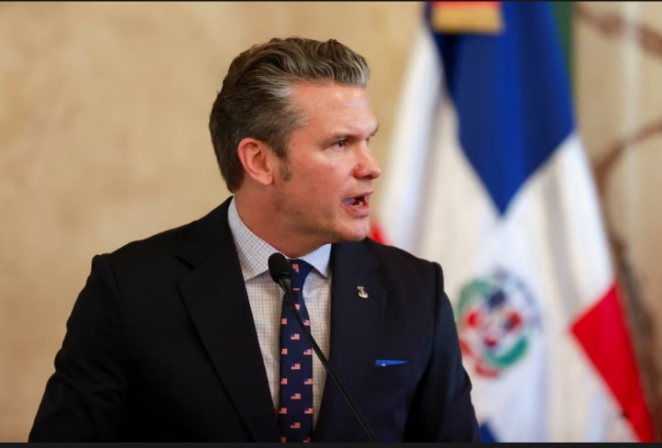
Hegseth maintains that the core mission is to stop narcotics trafficking and protect US citizens, framing the controversy as politically motivated attacks rather than legitimate criticism of military operations.
The series of strikes, investigations, and public statements illustrates the complex balance between national security priorities, congressional oversight, and adherence to international norms in US military operations.
About The Author


