

Pep Guardiola Manchester City Exit Marks The End Of A Defining Premier League Era
The Pep Guardiola Manchester City story is ending, but the impact of the Spanish manager on Premier League football may never disappear. After nearly a decade at Manchester City, Pep Guardiola leaves behind not just trophies, records and dominance, but a tactical revolution that reshaped English football and influenced the game across every level in the country.
When Guardiola arrived in England in 2016, many critics questioned whether his possession-heavy philosophy could survive the intensity and physicality of the English game.
A difficult early defeat to Leicester City and concerns over City’s defensive vulnerability sparked debate over whether Guardiola would adapt to England or England would reject Guardiola.
A decade later, the answer is clear. Guardiola did not merely adapt to English football. He transformed it.
Guardiola’s Tactical Revolution Changed English Football
Guardiola’s influence extended far beyond trophies. His emphasis on positional play, passing from the back, inverted full-backs and relentless pressing changed coaching philosophies throughout England.
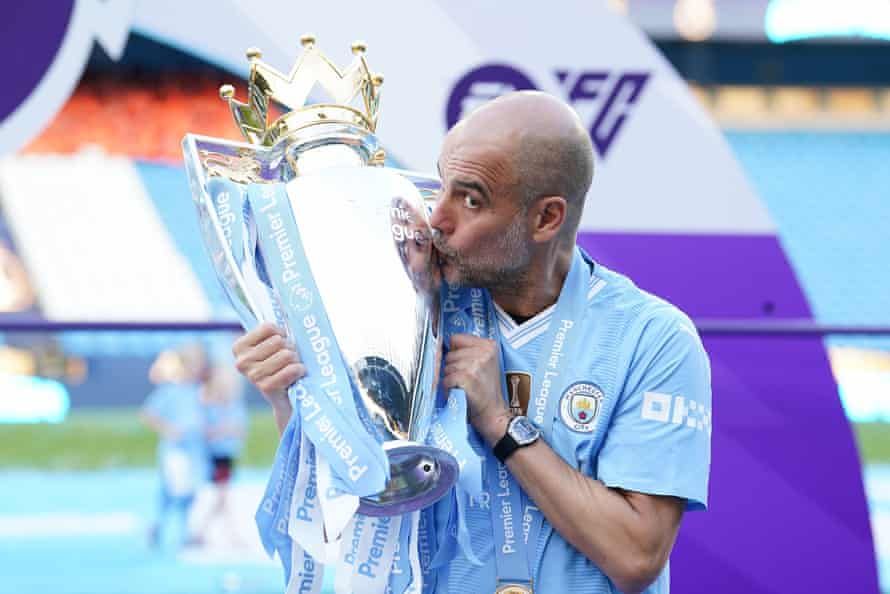
What was once considered risky or overly technical became standard practice. Even lower-division clubs began building attacks from defence as Guardiola’s ideas filtered through academies, coaching schools and youth football structures.
According to Ireport247news profiling, former Barcelona midfielder Xavi once described Guardiola’s obsession with football by saying: “Pep’s almost got a sickness for football.”
That obsession became visible at City as Guardiola constantly reinvented systems and tactical structures. From false nines to inverted defenders and fluid midfield overloads, City evolved repeatedly under his leadership.
Former France striker Thierry Henry said of Guardiola: “There is one thing you can be sure of — he wants to dominate.”
That mentality became the identity of Guardiola’s City teams.
Players And Rivals Describe Guardiola As Football’s Greatest Mind
Many elite football figures openly regard Guardiola as one of the greatest tactical minds in football history.
Lionel Messi once said: “We had a fantastic relationship when he was here.”
Former Bayern Munich captain Philipp Lahm described Guardiola as “an incredible coach on a completely different level in terms of tactics.”
Sir Alex Ferguson praised Guardiola’s humility and discipline, saying his dedication and professionalism “cannot ever be questioned.”
Meanwhile, legendary Dutch icon Johan Cruyff described Guardiola as “one of the best in the world,” praising his ability to adapt systems around players rather than forcing players into rigid systems.
At City, players frequently credited Guardiola for improving them technically and mentally. Ilkay Gundogan described Guardiola as “a genius who reads the game and covers every situation imaginable.”
Guardiola’s Success Was Not Without Controversy
Despite the success, Guardiola’s reign was not universally admired.
Questions surrounding Manchester City’s financial charges have remained a shadow over the club’s achievements, although the club strongly denies wrongdoing.
Some former players also criticised Guardiola’s management style. Zlatan Ibrahimovic famously accused Guardiola of poor communication during their time together at Barcelona, while Samuel Eto’o questioned Guardiola’s handling of dressing-room relationships.
Those criticisms, however, have done little to diminish Guardiola’s standing within football.
What Happens To Manchester City After Guardiola?
The biggest question now is what becomes of Manchester City after Guardiola’s departure.
For years, City’s structure, recruitment and style were built around Guardiola’s football philosophy. Replacing him may prove impossible rather than merely difficult.
Speculation has already intensified over potential successors, with several elite coaches linked to the role. Supporters also wonder whether City can maintain the same tactical dominance without the man widely viewed as the architect of their modern identity.
There is also growing debate over Guardiola’s next move. Some believe he could eventually coach a national team ahead of a future World Cup. Others speculate about emotional returns to Barcelona or entirely new challenges outside Europe.
Former Manchester United midfielder Paul Scholes once said he hoped Guardiola would one day coach England because of the way his football philosophy improves teams and players.
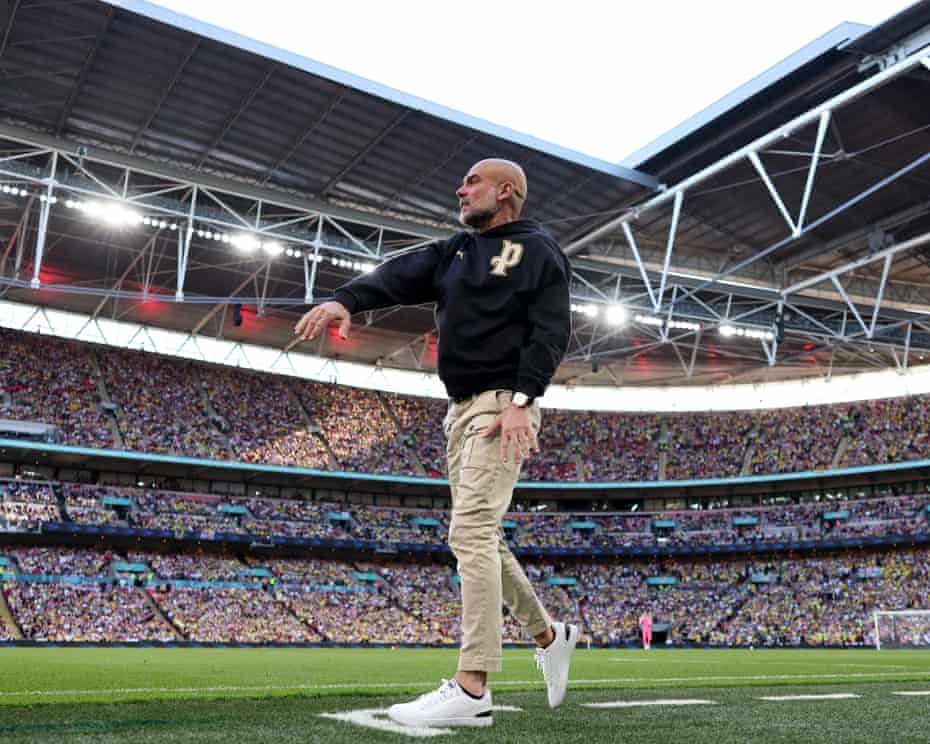
Did English Football Change Guardiola Too?
While Guardiola undeniably transformed English football, the Premier League also forced him to evolve.
His early Manchester City sides prioritised absolute control through possession. Later teams became more direct, more physical and more adaptable in transition-heavy matches.
Guardiola learned that dominance in England required tactical flexibility rather than rigid ideology.
Yet even with those adjustments, his football principles remained unmistakable.
As Guardiola exits the Premier League, English football now looks vastly different from the league he entered in 2016. Tactical sophistication, technical build-up play and positional structures have become mainstream partly because of his influence.
The Pep Guardiola Manchester City era may be ending, but its imprint on football will remain visible for generations.
About The Author


