

Pakistan troop deployment to Gaza has ignited intense debate across Islamabad, as officials weigh immense diplomatic stakes against spiralling domestic anxieties surrounding a volatile and politically fragile regional intervention.
Government insiders insist Pakistan troop deployment to Gaza remains under “deep review,” stressing no final order exists, though preparations continue quietly amid mounting international pressure demanding urgent stabilisation forces following recent escalations.
Military planners acknowledge Pakistan troop deployment to Gaza would place Pakistani forces inside an unpredictable conflict zone, forcing complicated coordination with multiple stakeholders and exposing troops to unpredictable militant reprisals.
Diplomats argue Pakistan’s participation could strengthen the International Stabilisation Force in Gaza, offering Islamabad leverage, visibility, and credibility in Middle Eastern security conversations long dominated by regional heavyweights.
Senior officers emphasise Pakistan’s substantial peacekeeping experience, asserting the nation’s strong operational reputation could “stabilise deteriorating humanitarian corridors” if integrated effectively within a broader International Stabilisation Force in Gaza initiative.
Critics counter such optimism, warning Pakistan’s involvement risks entangling its military in an endlessly complex political theatre where responsibilities blur, mandates shift, and external actors pursue conflicting strategic objectives.
Opposition figures argue any Pakistan troop deployment to Gaza would “stretch national resources,” particularly amid domestic economic strain, heightened polarisation, and severe budgetary pressures undermining essential defence procurement cycles.
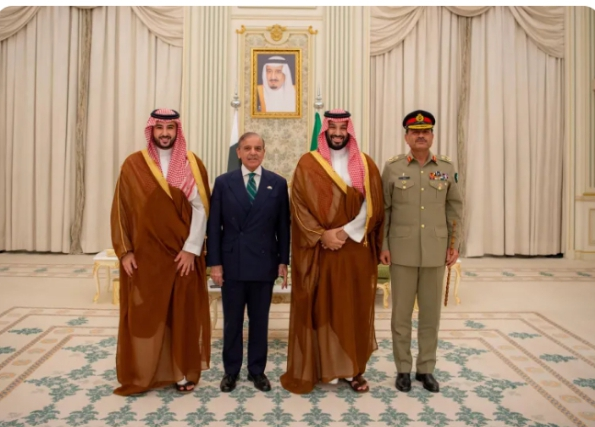
Security analysts caution Pakistan’s decision intersects with Pakistan–Saudi defence alignment, as Riyadh pushes for a credible multinational presence capable of reassuring Gulf allies and shaping future Gaza ceasefire implementation frameworks.
Regional observers note Pakistan–Saudi defence alignment increasingly influences Islamabad’s external security posture, especially when Riyadh attaches political expectations to collaborative deployments or demands enhanced operational contributions from Pakistani formations.
Foreign ministry officials publicly deny external pressure, yet concede Pakistan–Saudi defence alignment remains an important factor, given longstanding defence cooperation, economic interdependencies, and bilateral commitments spanning training, intelligence, and counterterrorism partnerships.
Meanwhile, humanitarian agencies warn any deployment will coincide with Gaza ceasefire implementation challenges, describing fragile corridors, deteriorating infrastructure, and volatile civilian zones requiring disciplined engagement protocols and clear operational communication lines.
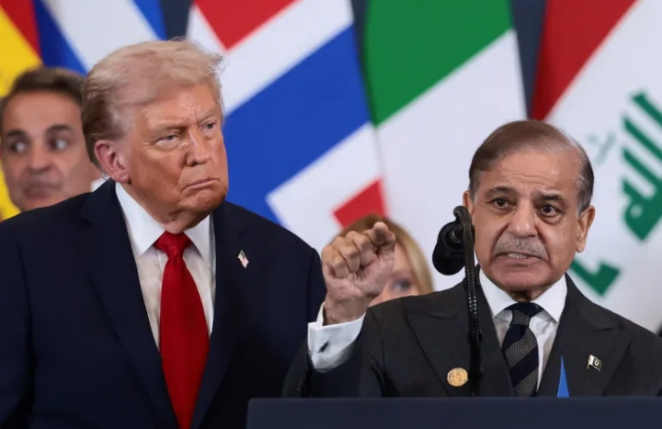
Commanders acknowledge Gaza ceasefire implementation challenges complicate troop safety, stressing robust rules of engagement, coordination with international monitors, and fortified logistical corridors to avoid dangerous miscalculations during sensitive humanitarian support missions.
Sources reveal American, Qatari, and European mediators quietly support Pakistani participation, claiming Islamabad’s inclusion strengthens political legitimacy for the International Stabilisation Force in Gaza amid fragmented diplomatic momentum.
However, intelligence veterans warn external encouragement cannot mask operational hazards, noting insurgent networks, unpredictable ceasefire violations, and opportunistic militant factions could exploit troop movements, potentially dragging Pakistan into prolonged conflict cycles.
Political strategists believe the government fears Pakistan domestic backlash risks, given rising public anger over foreign military entanglements and perceptions Islamabad prioritises external commitments over internal security concerns.
Civil society activists insist Pakistan domestic backlash risks will intensify if authorities fail to provide “transparent justification” explaining why national forces should operate inside a traumatised war-ravaged enclave.
Academic experts describe Pakistan domestic backlash risks as “severe and multifaceted,” cautioning deployment may become a lightning rod for ideological groups exploiting public disillusionment, economic stagnation, and geopolitical anxieties.
Nevertheless, senior ministers argue Pakistan cannot avoid strategic responsibility, especially when partners expect contributions reflecting Islamabad’s longstanding military competence and broader aspirations for renewed regional diplomatic influence.
They stress participation could elevate Islamabad’s moral standing, projecting Pakistan as a stabilising Muslim-majority nation willing to support reconstruction, humanitarian access, and enforcement of fragile peace frameworks.
Yet sceptics contend symbolic gains rarely outweigh operational dangers, especially once forces confront unpredictable ground conditions, shifting alliances, and fragile ceasefire enforcement shaped by constrained international verification mechanisms.
Former generals emphasise Pakistan’s military typically performs admirably in peacekeeping, but Gaza’s environment diverges sharply, combining dense urban terrain, traumatised populations, and a fragmented militant landscape resisting external oversight.
Internal memos indicate planners are drafting comprehensive contingency frameworks, including evacuation routes, rapid reaction capabilities, and communications interoperability with allied units embedded within the International Stabilisation Force in Gaza.
Multiple officials confirm Islamabad has consulted neighbouring capitals, attempting to assess combined regional stabilisation strategies, diplomatic implications, and potential burdensharing models distributing logistical responsibilities across participating countries.
Military logisticians highlight grave challenges: narrow supply corridors, unpredictable checkpoint control, damaged transport infrastructure, and heavy dependency on aerial resupply during escalations or humanitarian surges demanding immediate troop movements.
Veteran diplomats warn mission success hinges on broad consensus, not fragmented political will, insisting Pakistan must secure ironclad operational clarity ensuring overlapping mandates do not trigger inter-allied tensions.
Civilian ministries also fear resource strain, arguing Pakistan’s overstretched economy cannot sustain high-cost deployments without guaranteed financial assistance from Gulf partners, Western donors, or multilateral stabilisation funds.
Officials privately admit Islamabad expects economic incentives, though they deny deployment discussions revolve around transactional considerations, emphasising humanitarian responsibility and regional peace imperatives instead.
Political analysts counter this narrative, arguing economic leverage and Pakistan–Saudi defence alignment undeniably shape national decisions, influencing whether Islamabad ultimately prioritises moral rationale or geopolitical necessity.
In parliament, tempers flare as rival parties accuse the government of “reckless adventurism,” claiming deployment discussions bypass democratic oversight and endanger national security without comprehensive legislative scrutiny.
Opposition leaders demand transparency, requesting classified briefings outlining strategic justifications, financial requirements, and projected casualty risks, stressing the public cannot remain sidelined during such critical deliberations.
Humanitarian experts urge caution, highlighting Gaza ceasefire implementation challenges such as contested crossing points, civilian panic, sporadic violence, and persistent infrastructure collapse hindering medical distribution, food access, and safe relocation corridors.
Aid agencies insist any troop contingent must integrate humanitarian priorities, maintaining strict civilian protection protocols and ensuring military objectives never overshadow essential medical relief operations inside densely populated districts.
Government spokespersons reiterate deployment remains under evaluation, stressing officials will “not compromise Pakistani lives without absolute operational clarity,” though internal documents suggest preparations continue advancing steadily.
International analysts argue Pakistan’s willingness to participate reflects broader ambitions, portraying Islamabad as a responsible regional actor capable of shaping conflict resolution dynamics extending beyond South Asian theatres.
Economic ministries warn deployment could strain national finances, requiring careful budgeting to offset operational costs, humanitarian coordination demands, and long-term engagement responsibilities tied to stabilisation frameworks.
Legal experts examine international mandates governing force deployment, insisting Pakistan must maintain strict adherence to humanitarian law, ensuring troops preserve neutrality and avoid entanglement in local political rivalries.
Journalists stress public trust depends on transparent communication, arguing secrecy surrounding deployment discussions fuels speculation, misinformation, and exaggerated narratives amplifying Pakistan domestic backlash risks.
Meanwhile, defence officials remain pragmatic, acknowledging exceptional operational challenges while insisting Pakistan’s disciplined forces can uphold international expectations if deployed under a clear, enforceable mandate.
Retired commanders argue mission success demands flawless intelligence coordination, especially amid militant groups exploiting ceasefire loopholes, damaged communications infrastructure, and complex civilian interactions inside volatile neighbourhoods.
Human rights monitors emphasise accountability mechanisms, warning absence of independent oversight could undermine mission credibility and expose Pakistani forces to allegations of misconduct or excessive force.
Think-tank analysts believe deployment aligns with Islamabad’s aim to strengthen diplomatic ties across the Middle East, especially within frameworks reinforcing Pakistan–Saudi defence alignment and broader Gulf security cooperation.
Yet critics maintain external partnerships cannot justify risking Pakistani soldiers inside an unstable conflict zone where political transitions, armed factions, and humanitarian desperation create volatile, rapidly shifting conditions.
Public sentiment remains divided, with some citizens supporting humanitarian stabilisation efforts, while others denounce government priorities, arguing domestic crises should precede external commitments involving unpredictable foreign theatres.
Civil society groups emphasise transparency, demanding the government articulate strategic purpose, projected duration, financial obligations, and exit benchmarks ensuring Pakistan avoids becoming trapped in prolonged deployments lacking measurable outcomes.
Foreign observers highlight potential diplomatic benefits, claiming Pakistan’s involvement could soften regional tensions, reinforce Muslim solidarity, and enhance Islamabad’s credibility within multilateral peacebuilding circles.
Domestic economists strongly disagree, asserting financial vulnerabilities overshadow diplomatic aspirations, particularly given fragile reserves, currency pressure, and rising public unease about diverting national resources abroad.
Senior officials continue deliberating quietly, balancing diplomatic expectations, security calculations, public scepticism, and the immense political consequences attached to finalising Pakistan troop deployment to Gaza.
Analysts conclude Islamabad faces a monumental decision: embrace a high-risk deployment demanding strategic discipline and domestic unity, or refrain and risk diminishing influence during critical regional stabilisation efforts.
For now, uncertainty prevails, though insiders acknowledge momentum increasingly favours participation, provided international partners deliver financial assistance, political guarantees, and robust operational frameworks protecting Pakistani contingents.
Security planners warn time is limited, insisting indecision may weaken Islamabad’s position, undermine negotiating leverage, and allow rival actors to dominate leadership roles within emerging stabilisation arrangements.
Military officials remain measured, reiterating no final order has been issued, though training modules, logistical mapping, and threat assessments continue under accelerated timelines anticipating potential deployment.
As global diplomacy intensifies, Islamabad confronts a complex crossroads, where strategic opportunity intersects with national vulnerability, demanding a decisive judgment balancing external expectations and internal resilience.
Ultimately, Pakistan’s leaders must determine whether moral responsibility, geopolitical ambition, and regional alignment justify deploying national troops into one of the world’s most volatile humanitarian landscapes.
The government insists deliberations continue “responsibly and transparently,” though critics warn time will reveal whether decision-makers prioritised national interest, political calculations, or external pressure behind this consequential choice.
For ordinary Pakistanis, uncertainty persists, as citizens weigh the humanitarian imperative against fears deployment could escalate instability, deepen political divides, and amplify Pakistan domestic backlash risks nationwide.
As regional actors manoeuvre strategically, Islamabad’s final decision will shape its diplomatic posture, military responsibilities, and broader identity as a security contributor within contested Middle Eastern dynamics.
If deployment proceeds, Pakistan’s performance within the International Stabilisation Force in Gaza will determine national credibility, shaping alliances, regional influence, and the future trajectory of Pakistan–Saudi defence alignment.
For now, Islamabad stands at a decisive threshold, contemplating whether Pakistan troop deployment to Gaza represents a necessary stabilisation measure or an unacceptable risk demanding immediate political reconsideration.
About The Author


