

Nwabali has become the central figure of attention as preparations intensify for the World Cup qualifiers, where defensive discipline and collective awareness will be key to success.
The Super Eagles’ backline has faced questions in recent months, and many believe that consistent protection for Nwabali could determine how far the team progresses.
During previous matches, Nwabali has shown remarkable composure under pressure, but moments of isolation have occasionally left him exposed, forcing difficult saves and creating unnecessary tension.
Joe Bonfrère emphasize that Nwabali’s brilliance alone cannot guarantee victory. A united defense, coordinated midfield, and alert forwards must all contribute to preserving stability throughout the ninety minutes.
When defenders lose concentration, Nwabali faces overwhelming pressure from close-range attempts. Those moments increase the likelihood of mistakes, regardless of the goalkeeper’s ability, especially against quick and creative opponents.
A goalkeeper thrives when communication is sharp and the defensive line maintains proper spacing. Nwabali relies heavily on structure and awareness to make timely interventions.
Each time the team’s shape collapses, Nwabali must respond to unpredictable movements, making his role both physically and mentally demanding during high-stakes matches.
Experts have consistently warned that exposing Nwabali to unnecessary risks could undermine the team’s progress in these qualifiers, especially against experienced African opponents known for capitalizing on small errors.
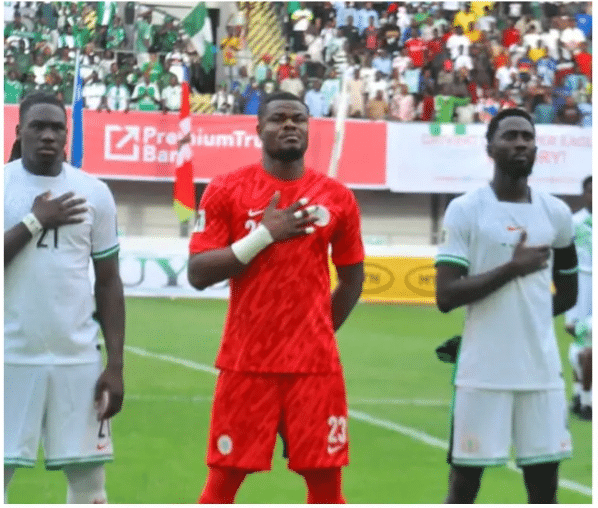
The road to qualification requires precision, patience, and total focus. Without adequate defensive coordination, even the most gifted goalkeeper can find himself unfairly blamed for team mistakes.
Training sessions have therefore emphasized collective defending, urging every player—from forwards to center-backs—to track back and reduce open spaces when the team loses possession.
For Nwabali, protection is not merely physical; it also involves emotional support, tactical preparation, and the reassurance that his defenders will not abandon their responsibilities.
Goalkeepers build confidence from structure. If Nwabali senses commitment from teammates in front of him, his reactions and decision-making naturally become sharper throughout the match.
The best teams understand that goalkeeping excellence is a collective effort. Nwabali’s clean sheets depend as much on defenders’ discipline as on his own agility and anticipation.
Observers recall several past tournaments where Nigeria’s goalkeepers faced intense scrutiny due to weak defensive organization. Lessons from those campaigns underline the need for better coordination.
A well-protected Nwabali can focus on commanding his area, organizing set pieces, and launching counterattacks rather than constantly reacting to one-on-one situations.
The upcoming World Cup qualifiers will test not only his ability but also the team’s overall maturity and understanding of tactical responsibility in pressure situations.
Nwabali’s calm presence has earned respect from fans and teammates alike. His leadership from the back has been instrumental in guiding the team through challenging moments.
However, even the calmest goalkeeper can lose composure when the defensive line collapses or communication fails during decisive stages of competitive fixtures.
Supporters have noticed how opponents try to exploit gaps in transition, forcing Nwabali into uncomfortable positions that increase the risk of misjudged clearances or delayed reactions.
Such patterns must be corrected through deliberate strategy, improved communication, and rehearsed positioning that ensures Nwabali remains shielded from overwhelming opposition attacks.
Modern football demands goalkeepers capable of initiating play from the back. Nwabali has adapted well to this responsibility but requires defenders comfortable receiving and recycling possession effectively.
If the team can combine defensive solidity with progressive buildup, Nwabali’s confidence will flourish, creating smoother transitions between defense and attack throughout the competition.
The coaching crew must also manage workload carefully. Excessive physical or mental strain could affect concentration levels, leading to the kind of errors that swing matches unexpectedly.
A composed and protected Nwabali remains the team’s strongest weapon. His saves inspire confidence, and his distribution sparks quick counterattacks that often catch opponents unprepared.
Fans believe that maintaining defensive discipline will allow Nwabali to express his best qualities—reflex saves, aerial command, and accurate long passes under pressure.
To achieve this, defenders must anticipate danger early, communicate clearly, and close down space before opposing forwards reach threatening positions around the penalty area.
Consistency in these principles transforms a fragile defense into an unbreakable unit. Nwabali then becomes the final reassurance, rather than the first line of emergency.
In past matches, moments of brilliance have rescued the team from defeat, but relying solely on individual heroics can never replace structured teamwork and tactical awareness.
Nwabali’s maturity extends beyond the goalposts. His discipline in training and vocal leadership highlight his determination to help the team qualify for the upcoming global showpiece.
Players around him must mirror that commitment by staying alert, avoiding unnecessary fouls, and ensuring seamless coordination whenever defensive transitions occur.
As preparations continue, focus must shift from reactive defending to proactive shape control—keeping Nwabali’s workload minimal and conserving energy for critical saves.
Nwabali’s protection should begin from midfield, where early interceptions prevent pressure from building near the defensive third, allowing him to command the game more efficiently.
Football success thrives on shared responsibility. Every successful defensive moment reduces stress on Nwabali, enabling him to stay composed and deliver crucial performances when truly needed.
The message remains clear: protect Nwabali, and the team’s confidence will multiply. Expose him unnecessarily, and the consequences could derail their World Cup qualification campaign.
Discipline, organization, and mutual understanding will define how effectively the Super Eagles defend together. Nwabali’s performance reflects the collective quality behind him, not just his individual skill.
As the countdown to the decisive qualifiers begins, fans remain hopeful that the lessons of past lapses will guide the players toward a more structured defensive identity.
A composed and shielded Nwabali will serve as the cornerstone of stability—a symbol of resilience and tactical growth during the team’s pursuit of global qualification glory.

Ultimately, Nwabali’s protection represents more than defensive caution; it symbolizes unity, preparation, and the strategic intelligence required to compete against Africa’s most dangerous attacking teams.
If the team embraces this responsibility, Nwabali’s presence between the posts could become the decisive advantage that transforms potential into historic qualification success.
His courage, positioning, and composure inspire confidence, but the lasting strength of the Super Eagles will always depend on how well they protect their trusted goalkeeper.
Nwabali deserves the collective assurance of discipline behind him, for only through structure and teamwork can costly mistakes truly be avoided on the work place.


