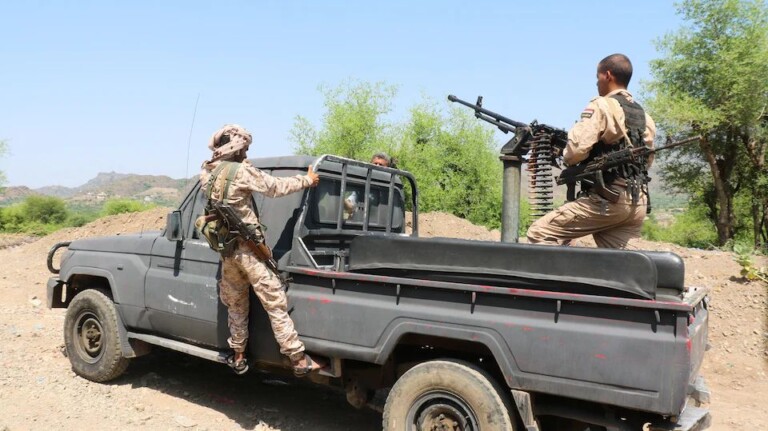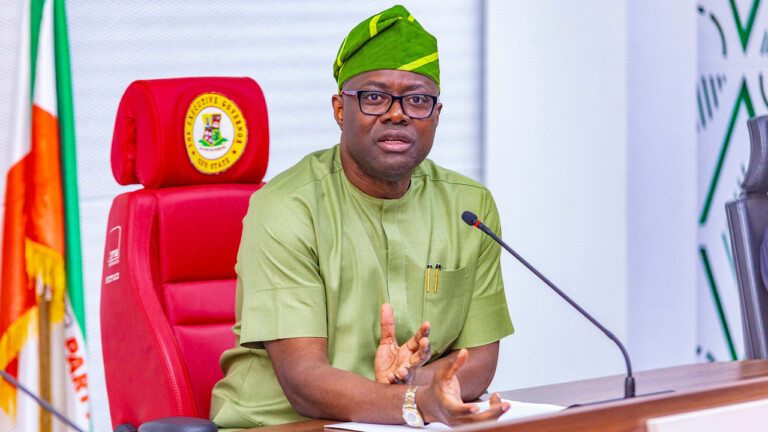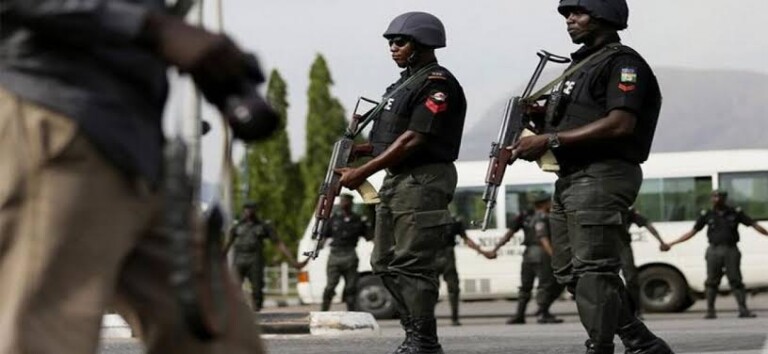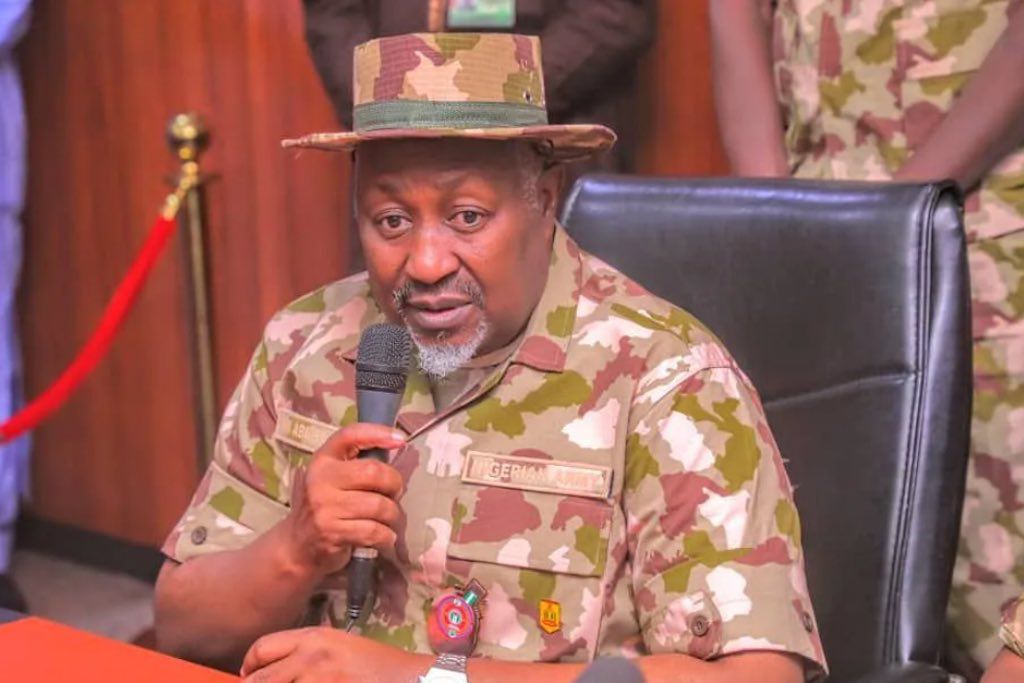
Nigeria’s Minister of Defence, Badaru, resigns with immediate effect amid a national security emergency, citing health reasons for his departure
Nigeria’s political landscape experienced a major shake-up following the sudden resignation of Defence Minister Alhaji Mohammed Badaru Abubakar, who stepped down from his position with immediate effect, citing personal health complications.
His exit comes at a strategic moment for the administration of President Bola Ahmed Tinubu, which is currently focusing heavily on strengthening national security and addressing emerging threats across the country.
The resignation was formally communicated through a letter personally addressed to President Tinubu and dated December 1.
In the letter, Badaru informed the President that his deteriorating health no longer allowed him to give the ministry the level of commitment and energy it required.
According to those familiar with the situation, the minister had been advised by medical experts to drastically reduce his workload.
Confirming the development, the Special Adviser to the President on Information and Strategy, Bayo Onanuga, released an official statement on X.
The statement noted that President Tinubu had accepted the resignation and expressed deep appreciation for the former minister’s service, dedication, and contributions to national development.
Onanuga added that the President would nominate a new Defence Minister in the coming days and subsequently forward the name to the Senate for confirmation.
Badaru, aged 63, was appointed Defence Minister on August 21, 2023, only a few months after concluding his tenure as a two-term governor of Jigawa State, a position he held from 2015 to 2023.
His experience in both governance and politics had positioned him as a key figure within the Tinubu administration, especially as the government worked to reform and restructure the country’s security architecture.
Before his appointment as Defence Minister, Badaru had built a reputation for administrative efficiency and strategic decision-making.
His tenure as governor was characterised by wide-ranging reforms in agriculture, infrastructure, education, and fiscal management.
These achievements played a significant role in his selection as part of President Tinubu’s cabinet, particularly at a time when Nigeria faced complex security challenges requiring firm leadership and coordinated action.
In the official statement released from the Presidency, Onanuga wrote:
“Alhaji Mohammed Badaru Abubakar, Nigeria’s Minister of Defence, has resigned his appointment with immediate effect.
In a letter dated December 1 and addressed to President Bola Tinubu, the former minister explained that he was stepping down due to health-related concerns.
The President has accepted his resignation and expressed gratitude for his service to the nation.”
He further stated that President Tinubu would announce a successor later in the week as consultations continued within government circles.
The President also reportedly held a closed-door meeting with security chiefs hours after receiving the letter, underscoring the urgency of maintaining continuity within the Defence Ministry.
The timing of Badaru’s resignation is particularly significant as it comes just days after President Tinubu declared a national security emergency.
According to sources within the Presidency, the emergency declaration will involve the overhaul of certain security protocols, allocation of additional resources to defence agencies, and a new operational framework aimed at curbing insecurity across the federation.
The President is expected to address the nation soon to outline the full scope of the emergency measures.
Political analysts believe that Badaru’s sudden departure could temporarily create a vacuum within the Defence Ministry, especially as Nigeria continues to battle insurgency in the North-East, banditry in the North-West, communal conflicts in the Middle Belt, and rising tensions in the South-East.
However, they also emphasise that the President’s swift acceptance of the resignation and the expected prompt appointment of a successor demonstrates a readiness to maintain stability within the security sector.
Another critical factor highlighted by observers is the strain associated with leading the Ministry of Defence.
The role requires continuous engagement with military operations, policy formulation, inter-agency coordination, and frequent national security briefings—responsibilities that can be particularly demanding for someone managing health challenges.
This intensiveness is one of the reasons many believe Badaru made the difficult decision to leave the position.
Beyond the political implications, his resignation has also sparked discussions on the importance of prioritising the health and well-being of public office holders.
Many have praised Badaru for choosing transparency and honesty in stepping down instead of allowing his health to deteriorate further while in office.
Reactions to the announcement have been mixed across the country. Supporters from Jigawa State have expressed solidarity with their former governor, praying for his recovery and commending him for his years of service.
Security experts, meanwhile, underscore the importance of a smooth transition to avoid operational setbacks within the ministry.
President Tinubu, in his acknowledgment of the resignation, thanked Badaru for what he described as “unwavering devotion, exemplary service, and patriotism.”
As the nation awaits the announcement of a new Defence Minister, attention has shifted to the kind of individual who will be chosen to take over such a sensitive portfolio.
Analysts predict that the President will likely appoint someone with deep knowledge of security operations, crisis management, and inter-agency coordination, given the current national priorities.
About the Author