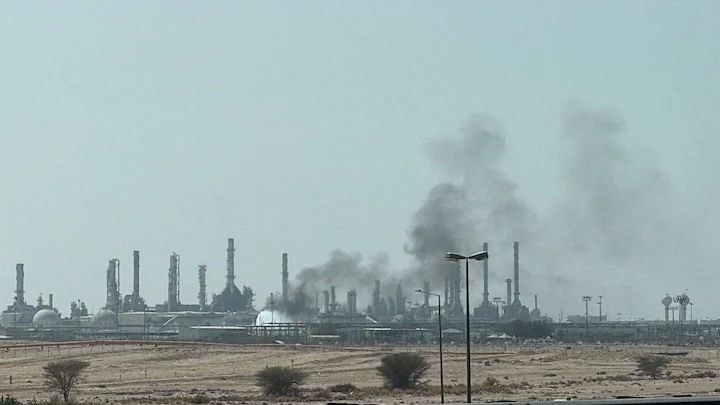
The Nigeria Employers’ Consultative Association (NECA) has voiced strong support for the Federal Government’s recently announced 15% fuel tariff on petroleum products, hailing it as a critical step toward reviving local refining and strengthening domestic production.
The policy, according to NECA, is a strategic measure that could redefine Nigeria’s energy sector, reduce dependence on imported fuel, and promote economic growth.
In a statement on Sunday, NECA Director-General, Adewale-Smatt Oyerinde, stressed that it was “absurd that a nation blessed with crude oil resources has continued to rely heavily on imported petrol and diesel for decades.”
He pointed out that Nigeria’s four local refineries have remained largely underutilized, partly because imported fuel has been more accessible than domestically refined products.
“The imposition of the tariff on imported fuel is not only timely but essential.
This policy is a significant step toward promoting local value addition, strengthening domestic refining capabilities, conserving foreign exchange, and advancing Nigeria’s industrialization plans,” Oyerinde said.
NECA Backs Govt’s 15% Fuel Tariff to Promote Energy Sufficiency
The NECA DG explained that the 15% fuel tariff, if implemented efficiently, could accelerate Nigeria’s challenging journey toward energy sufficiency, while also providing relief for the naira by redirecting foreign exchange previously spent on imports toward other critical sectors of the economy.
“This initiative will reassure genuine local manufacturers and investors in the oil and gas industry that the government is committed to supporting their investments.
Policies like this are crucial for ensuring sustainable growth in the sector,” Oyerinde added.
Industry analysts have long argued that fostering local refining is not just about self-sufficiency but also about creating jobs, reducing logistical costs, and boosting industrial development.
NECA’s endorsement reinforces the importance of policy consistency and regulatory support in achieving these objectives.
The association, however, emphasized that the government must take proactive steps to ensure the policy does not backfire.
Oyerinde urged the authorities to establish clear regulatory frameworks and manage the tariff dynamics carefully to prevent unintended consequences such as price distortions or supply shortages.
“Resolving the complexities of the naira-for-crude arrangement is critical to guarantee effective and regular supply to local refineries.
Policies designed to support local refining should not become a burden for Nigerian consumers,” he noted.
Economic and Industrial Implications
The NECA DG stressed that promoting local production should be at the heart of government policy, not just in the petroleum sector but across the economy.
Supporting domestic industries could revitalize Nigeria’s real sector, increase investor confidence, and stimulate long-term economic growth.
The 15% fuel tariff aligns with the Federal Government’s broader economic agenda to enhance local content in petroleum production, conserve foreign reserves, and create a competitive environment for domestic refiners.
By making imported fuel more expensive, local refineries are expected to become more viable, encouraging private and public investments in the sector.
President Bola Tinubu approved the tariff earlier this year, with Special Adviser on Media and Public Communications, Sunday Dare, describing it as “a bridge, not a burden”—a policy designed to transform Nigeria’s petroleum landscape and secure long-term energy and economic stability.
Industry stakeholders have welcomed the move, noting that it has the potential to stimulate investor interest in domestic refining projects and catalyze growth in ancillary industries, including logistics, storage, and petrochemical manufacturing.
Potential Challenges and Road Ahead
While NECA has backed the policy, experts caution that the success of the 15% fuel tariff depends heavily on consistent implementation, transparent monitoring, and supportive infrastructure.
Issues such as refining capacity, crude supply management, and distribution efficiency must be addressed to avoid supply disruptions or price spikes.
Oyerinde concluded that if well-executed, the tariff could mark a turning point for Nigeria’s energy sector, ensuring that the country’s abundant crude resources are leveraged for domestic benefit while stimulating industrial growth and attracting strategic investment.
The NECA endorsement underscores the importance of coordinated action between government, industry players, and investors to strengthen Nigeria’s refining capabilities, reduce reliance on imported fuels, and pave the way for a more sustainable energy future.
About the Author