The National Guardsmen shot in Washington DC incident has unleashed a wave of urgency across the capital, unsettling holiday travellers and igniting fierce national debate about security and migration.
Farragut Square descended into confusion on Wednesday afternoon as gunfire shattered the usual pre-Thanksgiving bustle, leaving bystanders stunned and emergency responders scrambling to regain control.
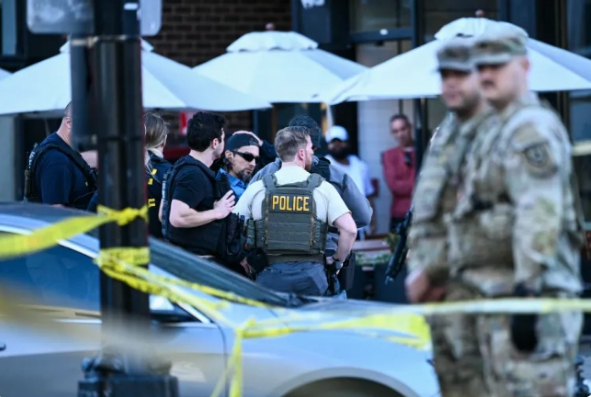
Witnesses described chaotic scenes, saying people screamed and dropped to the ground as shots cracked through the crowded plaza framed by winter decorations and office-hour foot traffic.
One man told reporters he heard “rapid pops, far too close,” prompting crowds to scatter while others froze, unsure whether the danger had passed or was escalating further.
Restaurant workers nearby rushed customers into kitchens and backrooms, locking doors and drawing blinds as police and National Guard vehicles roared toward the square.
A tourist visiting from Kentucky said the atmosphere shifted instantly from festive to frightening, describing families “hugging the pavement” while frantic calls flooded emergency lines.
Early reactions focused on the speed of the response, with several witnesses noting how quickly uniformed personnel moved through the cordoned streets to secure the immediate area.
Businesses around the plaza remained shuttered for hours, many with employees trapped inside, waiting for permission to step outdoors once sweeping perimeter checks were concluded.
Commuters stuck inside nearby metro stations reported tense moments, including announcements instructing crowds to remain calm while trains were temporarily halted under precautionary protocols.
The Farragut Square incident occurred at a moment when Washington was already tense, following weeks of political clashes over federal troop deployments and national security directives.
Two service members collapsed after the shooting, prompting frantic rescue efforts as medics applied pressure to wounds and loaded both victims into waiting emergency vehicles.
A third guardsman reportedly engaged the attacker, exchanging fire before additional support arrived, leading to a dramatic standoff that drew hundreds of onlookers behind barricades.
Bystanders recounted hearing yelling before the confrontation peaked, though details remain fragmented amid swirling speculation about timing, positioning, and the shooter’s movements through the square.
Families of deployed guardsmen rushed to verify the safety of loved ones, reflecting the wider wave of anxiety sweeping through communities with relatives stationed in the capital.
The incident instantly triggered a political firestorm, with leaders across parties issuing statements ranging from calls for unity to sharp demands for new enforcement measures.
President Donald Trump released a biting message, describing the shooting as “pure evil” and vowing sweeping security actions to ensure “nothing like this happens again.”
Some groups expressed concern that immediate political rhetoric risked inflaming tensions, especially given the sensitive context surrounding immigrant communities and ongoing policy debates.
Immigration organisations urged Americans to “stay grounded in facts,” warning that emotional reactions could further polarise the charged environment already strained by recent legislative showdowns.
Hours after the event, online platforms lit up with speculation, leaving officials racing to counter misinformation about motives, identities, and the broader context shaping the attack’s repercussions.
Communities connected to recent resettlement initiatives found themselves bracing for renewed criticism as the Afghan immigrant debate surged back into nationwide conversation.
The controversy intensified when details emerged tying the suspect to earlier humanitarian entry programmes, sparking immediate disputes over federal handling of past admissions.
Advocates stressed that thousands of Afghans who settled in the US contribute significantly to communities, reiterating warnings against sweeping generalisations based on isolated violent acts.
Yet opponents of previous resettlement policies seized the moment to demand stringent reviews, arguing the system had failed to detect potential threats before tragedy unfolded.
Trump signalled that a deep reassessment would follow, specifically highlighting the need for expanded vetting under what he termed a “renewed national security imperative.”
This instantly drew attention to the long-running argument over Operation Allies Welcome scrutiny, a debate that has simmered beneath presidential exchanges for months.
Human rights groups pushed back strongly, urging policymakers not to weaponise the tragedy, insisting “individual crimes cannot justify collective blame on vulnerable populations.”
Though political disagreements flared, many Americans echoed sentiments of sympathy and despair for the wounded guardsmen whose conditions remained critical through Wednesday evening.
A neighbour of one victim said he felt “shaken to the core,” describing the soldier as a “quiet, dedicated young man” who served proudly without complaint.
Messages of support poured in from across the country, with vigils forming outside local armories as communities prayed for recovery and comforted distraught families.
Former President Barack Obama wrote that violence “must always be condemned without hesitation,” adding that tragedies should inspire solidarity rather than deepen divisions.
Joe Biden echoed this, saying he was “heartbroken” and urging the nation to rally around shared values instead of falling into the trap of anger and blame.
Experts in homeland security noted that the shooting highlights the broader challenges of urban protection, especially during holiday periods when crowds drastically increase.
Security analysts warned that symbolic locations near federal buildings remain high-risk and require adaptive strategies to address evolving patterns of lone-actor violence.
Local leaders emphasised the need for transparent communication, saying the community deserves clear updates without speculation, fostering trust during moments of fear.
A shop owner near the square described lingering unease among workers, explaining that many are nervous returning to normal routines before assurances of restored safety.
Meanwhile, political strategists predicted the attack would shift national conversations dramatically, shaping legislative priorities as Washington reopens debates on migration and counterterror policies.
The White House indicated plans to intensify enforcement efforts through what officials describe as Trump security escalation, drawing immediate scrutiny from civil liberties organisations.
Analysts believe the coming weeks will be dominated by bitter exchanges, especially as lawmakers weigh whether new federal authority expansions are warranted or potentially excessive.
Communities already fatigued by prolonged political conflict expressed worry about the unfolding narrative, concerned that rising hostility may overshadow compassion and shared civic responsibility.
Within Washington, the shock remains palpable, particularly among uniformed personnel now expected to increase patrols despite emotional strain and intensified operational pressures.
Veterans’ groups urged Americans to support those serving, reminding the public that guardsmen often sacrifice personal time, holidays, and family moments to protect communities.
As night fell across the capital, streets slowly reopened, though many pedestrians walked with apprehension, glancing toward the square where investigators continued their slow methodical work.
The incident has prompted deep reflection about public safety, communal resilience, and the responsibilities of leaders to steer national conversations during moments of heightened vulnerability.
With tensions still raw, residents hope political actors resist exploiting the tragedy, focusing instead on healing and practical steps that protect both values and lives.
This narrative continues evolving, yet one truth remains: the shocking reality of National Guardsmen shot in Washington DC has left a lasting mark on the nation’s psyche.
Across the country, people are now grappling with the deeper questions it raises about unity, courage, and how societies respond to sudden violence that pierces everyday life.
As the investigation unfolds, Americans wait anxiously for answers, praying for the wounded, consoling frightened families, and confronting the unsettling fragility exposed by a single violent act.
No matter the eventual findings, the collective resolve of communities appears unbroken, driven by a determination to honour the injured and strengthen the bonds threatened by fear.
The tragedy will echo long after the scene clears, prompting renewed conversations about national priorities, shared responsibility, and the fragile line between ordinary days and unexpected disaster.
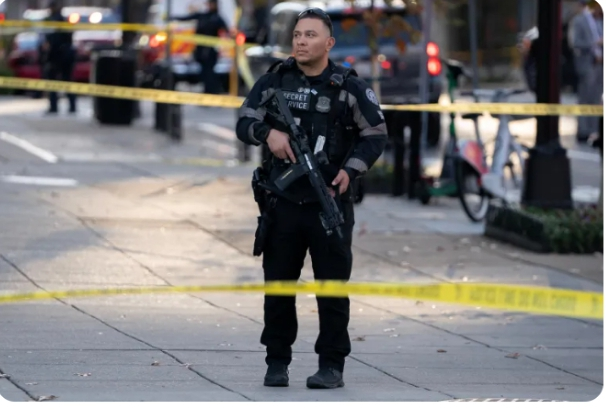
In the end, the National Guardsmen shot in Washington DC event underscores a pivotal moment, urging Americans to stand together and navigate uncertainty with resilience, clarity, and empathy.
About The Author