

The Nigerian naira sustained its upward momentum on Wednesday, trading at ₦1,500.91 per United States dollar in the official market, its strongest level in six months.

The appreciation, driven by rising foreign reserves and reduced speculative activity, has renewed investor confidence in Africa’s largest economy.
According to data from the Central Bank of Nigeria (CBN), the local currency fluctuated between ₦1,498/$ and ₦1,507/$ during the trading session.
This marked the second consecutive day the naira traded below the symbolic ₦1,500 mark, having firmed to ₦1,506/$ earlier in the week.
The last time the currency hovered at this level was on March 5, 2025.
In the parallel market, the naira also strengthened to around ₦1,515/$ – ₦1,517/$, improving from ₦1,525/$ recorded the previous day.
Market watchers say the rally reflects a stronger demand for the local currency, improved forex supply, and the government’s reforms to stabilize the market.
Best Practices Driving the Rally
Building Strong External Buffers
Nigeria’s external reserves rose to $41.59 billion as of Tuesday, a $25 million increase from the previous day.
This steady growth represents nearly 10 months of import cover, far above the global benchmark of three months.
Analysts say maintaining strong reserves is a best practice for shielding the economy against shocks. It assures investors of Nigeria’s ability to meet external obligations and gives businesses confidence in forex availability.
Curbing Speculative Activity
The CBN has tightened regulatory oversight to reduce speculative demand in the foreign exchange market.
With reduced room for currency hoarding and round-tripping, the naira is benefiting from more genuine demand and supply flows.
Experts note that disciplined currency trading is a critical step in building market stability.
Policy Reforms and Exchange Rate Unification The government’s reforms, including exchange rate unification and incentives for foreign capital inflows, have played a major role in restoring confidence. These measures demonstrate the importance of policy clarity and consistency, which investors often look for before committing funds.
Diversifying Forex Earnings
Improved crude oil production and rising non-oil exports both supported the rally.
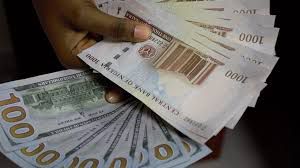
According to the Macros and Market Insight Report by Meristem Research, moderating inflation, higher capital inflows, and improved oil receipts in August were major drivers of the naira’s rebound.
Diversifying export earnings remains a best practice for long-term stability, ensuring that Nigeria is not overexposed to fluctuations in global oil markets.
Investor Confidence on the Rise
Meristem Research emphasized that the improved reserves and currency stability send a positive signal to foreign portfolio investors.
With confidence returning, analysts expect stronger capital inflows into Nigeria’s stock and bond markets.
“This provides a critical buffer for effective exchange rate management and broader macroeconomic stability,” the report noted.
Foreign investors are particularly sensitive to currency risks.
The naira’s rally is therefore expected to rekindle interest in Nigerian assets, provided that stability is maintained.
For businesses, the rally offers relief from rising import costs.
Manufacturers depending on machinery, raw materials, and spare parts purchased abroad will benefit from reduced forex expenses.
For households, the development raises cautious optimism that inflationary pressures—especially on imported food, fuel, and consumer goods—could ease if the rally persists.
Experts say the best practice here is to maintain consistency, as a stable naira helps households and businesses plan their finances better.
Despite the positive outlook, analysts warn that certain risks could undermine the rally:
Falling global oil prices could weaken forex inflows.
Security challenges in oil-producing regions may disrupt production.
Slow progress in diversifying exports could expose the economy to external shocks.
Policy reversals or inconsistent implementation could erode investor confidence.
Experts therefore advise that Nigeria continue to strengthen structural reforms, boost oil output, and support non-oil sectors to keep the naira on a sustainable path.
Practical Lessons and Takeaways
Maintain Strong Reserves: External buffers reassure investors and businesses.
Enforce Discipline in Forex Markets: Reducing speculation builds genuine stability.
Promote Policy Consistency: Clear and unified exchange rate policies encourage inflows.
Diversify Forex Sources: Relying less on oil helps protect the economy from global volatility.
Keep Investor Confidence High: Transparent reforms and macroeconomic discipline attract foreign capital.
The naira’s rally to ₦1,500/$ reflects a turning point for Nigeria’s economic outlook.

With external reserves climbing, speculative trading subsiding, and reforms restoring confidence, the local currency is on firmer ground than in past rebounds.
However, sustaining this momentum will require the government to stay committed to reforms, boost oil output, and diversify forex earnings.
For now, businesses, households, and investors are cautiously optimistic that Nigeria may finally be entering a phase of sustained currency stability.
About The Author


