

The aftermath of Enzo Maresca’s exit has revealed a complex series of internal conflicts, disagreements, and decisions that ultimately led the club hierarchy to dismiss him.
Officials cited friction between the manager and the medical department, with Maresca reportedly insisting on returning injured players to the squad faster than advised, creating growing concern.
His public statement claiming he had endured “his worst 48 hours” following a victory over Everton reportedly deepened the rift, leaving leadership frustrated with what they viewed as unprofessional conduct.
Further tension arose after Maresca skipped a scheduled post-match press conference, citing illness. Sources indicate the hierarchy believed he was not genuinely unwell and deemed the absence disrespectful.

The missed press duties forced assistant coach Willy Caballero to take over, which executives reportedly saw as unfair to staff and damaging to the club’s professional image.
Concerns about player welfare were cited repeatedly, with officials claiming Maresca often ignored medical advice, keeping injured players on the pitch for extended periods despite increased risk of setbacks.
Reports linking Maresca with a return to Manchester City, where he had previously worked under Pep Guardiola, further raised questions over his long-term commitment and focus on the current club.
Leadership reportedly viewed his conduct as a combination of poor judgment, public indiscretion, and strained relationships that made the managerial role increasingly untenable.
The club hierarchy concluded that the decision to remove Maresca was unavoidable, citing accumulated issues rather than a single event as the reason for his dismissal.
Sources describe how multiple incidents combined: public outbursts, disregard for advice, and professional absences, creating an atmosphere of mistrust and concern about long-term stability.
Maresca’s approach to managing player injuries was a particular sticking point.
Executives reportedly warned him repeatedly about risking key players, but those warnings were ignored, worsening internal tensions.
Officials also cited communication breakdowns, noting that private disagreements became public statements, leaving the club exposed to negative press and internal unrest among players.
The decision to act was reportedly accelerated by the perception that Maresca’s priorities were divided, with potential career moves distracting him from immediate responsibilities.
The club now faces the task of restoring cohesion and confidence within both the squad and staff, aiming to repair the trust eroded during Maresca’s tenure.
In hindsight, the departure serves as an example of how internal disputes, combined with public missteps, can escalate quickly into leadership decisions and personnel changes.
Maresca’s exit highlights the importance of alignment between management and medical staff, particularly in high-pressure environments where player health and performance are critical.
Officials believe that future appointments will require stronger protocols to prevent similar conflicts from affecting team performance and public perception.
While the dismissal is final, club sources indicate ongoing discussions about the lessons learned and steps to avoid repeating past mistakes.
Maresca’s case is now being studied internally as part of a broader review of managerial responsibilities, staff communication, and adherence to medical guidance in player management.
The aftermath underscores that even talented managers can face consequences when professional disagreements, public statements, and ignored advice converge to create irreparable tensions.
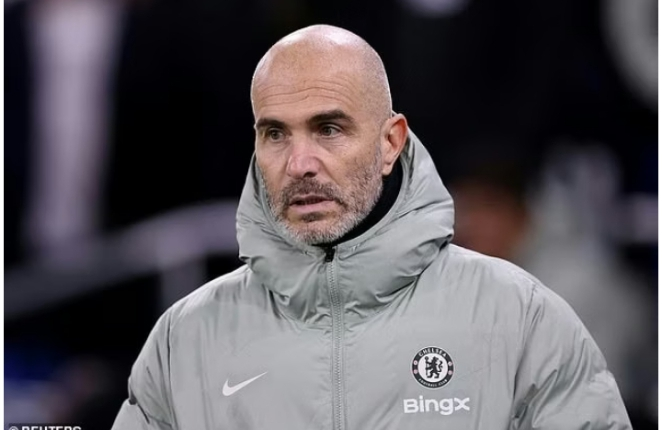
For the club, the focus is now on stability, player welfare, and ensuring that future leadership can navigate conflicts without undermining trust or authority.
Executives reportedly stress that the decision was not a reflection of overall competence, but a result of accumulated friction, communication breakdowns, and a pattern of professional misjudgments.
Maresca’s exit also raises wider questions about football management culture, particularly balancing ambition, media presence, and adherence to internal protocols in elite environments.
Ultimately, the club views the dismissal as necessary to protect the long-term cohesion and performance of the team, prioritizing stability over temporary managerial popularity.
Read also: Eddie Howe dismisses exit talk, reaffirms commitment to Newcastle United
About The Author


