

The UK Mandelson cooperation request in Epstein probe has become a defining political controversy for the British government, as United States lawmakers seek cooperation from a former senior diplomat over his links to Jeffrey Epstein.
The development has reignited debate about political judgement, accountability, and transparency at the highest levels of power.
Former British ambassador to Washington, Peter Mandelson, has been asked by members of the US House Oversight Committee to take part in a voluntary, transcribed interview.
Lawmakers said Mandelson holds “critical information” relating to the operations and enablers of convicted sex offender Jeffrey Epstein.
In a formal letter, Democratic Representatives Robert Garcia and Suhas Subramanyam said evidence showed Mandelson maintained “extensive social and business ties” with Epstein over a number of years. They stated the committee is attempting to uncover “the full extent” of Epstein’s criminal network.
“The Committee is seeking to identify co-conspirators and enablers,” the lawmakers wrote, adding that Mandelson’s cooperation would be “essential” to understanding how Epstein operated across borders.
While the committee cannot compel testimony, it requested a response by February 27, 2026.
Mandelson served as the United Kingdom’s ambassador to the United States from February 2025 until his removal in September.
The posting is widely regarded as the most prestigious in British diplomacy, making the controversy surrounding his appointment particularly damaging for the government.
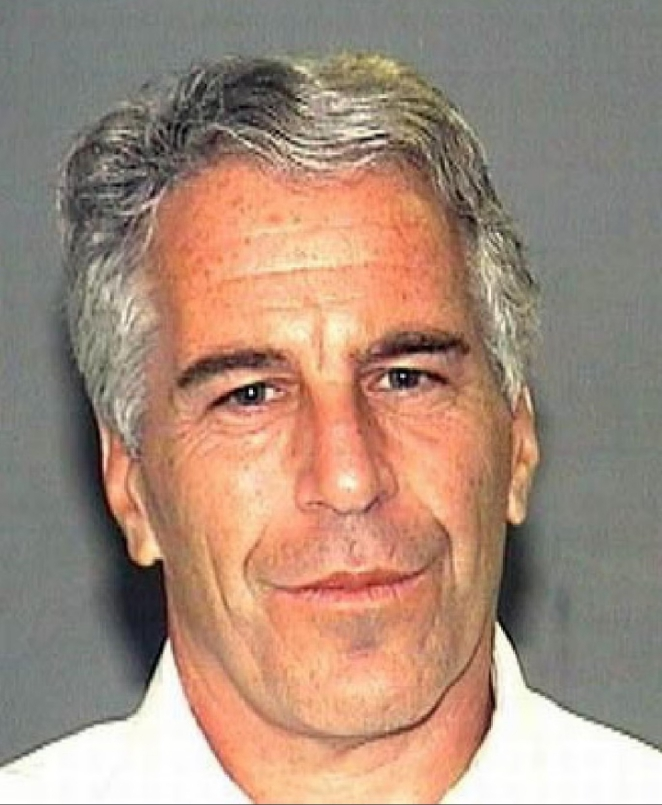
The UK Mandelson cooperation request in Epstein probe has had serious political consequences at home. Mandelson has resigned from the Labour Party and stepped down from the House of Lords, insisting he committed no criminal wrongdoing and describing allegations against him as “misleading”.
Pressure has mounted on Prime Minister Keir Starmer, with critics arguing that his decision to appoint Mandelson reflected “poor judgement” and weakened public trust. Opponents have framed the affair as evidence of a broader failure in political vetting.
Although Starmer has survived calls to resign, the scandal has destabilised his inner circle. Several senior aides have stepped down in recent days, reinforcing perceptions of a government under strain. Each resignation has been linked to the ongoing Epstein fallout and its political ramifications.
The Epstein congressional investigation has also highlighted the international reach of the case, demonstrating how associations with Epstein continue to impact public figures years after his death.
Lawmakers have made clear that the inquiry remains active and expansive.
As attention turns to whether Mandelson will cooperate, the outcome could shape both the direction of the US investigation and the future of Starmer’s leadership.
For now, the UK Mandelson cooperation request in Epstein probe remains a potent symbol of unresolved questions, political accountability, and the enduring shadow cast by the Epstein scandal.
The UK Mandelson cooperation request in Epstein probe has also revived debate about how democratic systems handle reputational risk when allegations surface without criminal charges.
Legal analysts note that congressional investigations often pursue “context and connections” rather than prosecutions, making political consequences more immediate than judicial outcomes. This distinction has shaped public reaction on both sides of the Atlantic.
In Washington, members of the House Oversight Committee have framed the request for cooperation as part of a wider effort to restore “public confidence” in institutions damaged by years of secrecy surrounding Epstein’s activities.
Investigators argue that understanding who had access, influence, or knowledge is central to preventing similar abuses of power in the future. They insist the inquiry is “fact-finding, not accusatory”.
For the United Kingdom, the controversy has exposed tensions between political loyalty and accountability. Critics say the Mandelson appointment highlighted a culture of “closed-circle decision-making”, where long-standing relationships outweighed reputational safeguards. Supporters counter that association alone should not be treated as evidence of wrongdoing, warning against “trial by implication”.
Former diplomats have also weighed in, stressing that the US ambassador role carries symbolic importance beyond policy.
One senior figure described it as “the shop window of British credibility”, arguing that any controversy attached to the post inevitably reflects on the prime minister who approved it. This has amplified scrutiny of the Starmer government’s judgement.
Within the Labour Party, the issue has triggered internal soul-searching. Party officials have privately acknowledged that the Epstein affair complicated efforts to project ethical renewal. Some MPs fear lasting damage among swing voters unless clearer standards for vetting senior appointments are communicated and enforced.

Internationally, the case underscores how Epstein’s network continues to reverberate years after his death. Documents, correspondence, and testimony have repeatedly drawn prominent figures into public debate, reinforcing the perception that the scandal is “unfinished business”.
Lawmakers involved in the probe say further cooperation requests may follow.
Peter Mandelson has maintained that his interactions with Epstein were “misrepresented” and unrelated to any criminal conduct.
Allies argue that full cooperation could help close the chapter, while critics insist transparency is the only path to restoring trust.
Whether Mandelson agrees to testify may determine how long the issue dominates headlines.
For Prime Minister Keir Starmer, the addendum to this unfolding story is political endurance. Each new revelation tests his authority and leadership narrative.
As long as the Epstein investigation continues to intersect with British politics, the UK Mandelson cooperation request in Epstein probe will remain a touchstone for debates about power, accountability, and judgement in modern governance.
Read also:Munich Security Conference highlights US limits and Europe’s security challenges


