

A man has been killed and two others left fighting for their lives after what police have described as a random triple stabbing on a busy suburban high street in Sydney, sending shockwaves through the local community and prompting renewed scrutiny of mental health care and public safety responses in New South Wales.
Emergency services were called to Merrylands Road, around 25 kilometres west of Sydney’s central business district, at about 10am on Tuesday following reports that a man was attacking people with a knife before fleeing the scene on foot.
Officers arriving at the location found three victims suffering from stab wounds, two of them inside a shop and a third injured on the street outside, in an area that was crowded with shoppers and workers at the time.
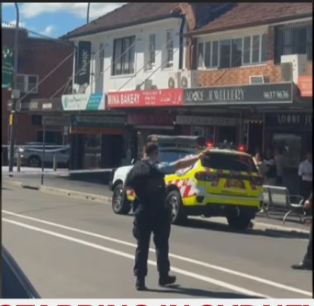
One victim, a man believed to be in his thirties or forties, was pronounced dead at the scene despite the efforts of paramedics. Two others — a 22-year-old man and a 47-year-old woman — were treated for serious injuries before being rushed to hospital in critical condition.
Their current prognosis has not been publicly updated, but authorities confirmed both remain under intensive medical care.
Police later arrested a 25-year-old man on a nearby street and took him to Granville Police Station, where he remains in custody. He has not yet been charged.
Superintendent Simon Glasser of New South Wales Police said investigators were still working to establish a full timeline of events, but early indications suggested the victims were not known to each other and were attacked individually.
“It’s very early in the investigation,” Glasser told reporters at a news conference near the scene. “Police are unaware at this point what the motive was.
However, it appears it was a random attack.” He added that the alleged offender was known to police for minor offences and previous mental health-related incidents, but was not linked to the specific addresses where he was located or where the attacks occurred.
According to police, a knife approximately 25 centimetres in length was used in the stabbings. Investigators believe the attacker moved quickly between locations along the high street, striking victims who were alone at the time.
The randomness of the violence, Glasser said, contributed to the fear and confusion among bystanders, many of whom rushed to help the injured before emergency services arrived.
Witnesses described scenes of panic and distress as people realised something was wrong. Several said they heard screams before seeing injured individuals emerging from shops or collapsing on the pavement.
One eyewitness told Australian media that there was “blood on the ground” and a large crowd gathering as police, ambulances, and helicopters converged on the area.
Another witness, Joseph Roussini, said he called emergency services after seeing a woman “screaming for her life” as she exited a convenience store. He described seeing a man supporting her and trying to stem her bleeding while waiting for help to arrive.

Such accounts, while confronting, have also highlighted what police described as a strong community response, with members of the public assisting victims in the crucial minutes before paramedics took over.
The incident has drawn attention to the role of mental health services following confirmation from the Western Sydney Local Health District that the suspect had recently been a patient in its care.
In a statement reported by Australian media, the district said the man had absconded from care 10 days earlier while being transferred from Cumberland Hospital to Westmead Hospital for further medical assessment.
“The district is aware a person alleged to be involved in the incident is a recent patient of Cumberland Hospital, which provides acute inpatient care for people with complex mental health needs,” a spokesperson said.
They added that police were notified at the time of the patient’s disappearance and that attempts were made to contact both the individual and his family, without success.
Health officials confirmed that a formal review into the man’s care and treatment would be undertaken, including oversight by an external senior psychiatrist.
While stressing that such reviews are standard procedure, the statement acknowledged the seriousness of the incident and the need to examine whether any opportunities for intervention had been missed.
The attack has reignited debate in Australia about the intersection of mental health care, policing, and public safety. Advocates have warned against drawing simplistic conclusions, emphasising that the vast majority of people with mental health conditions are not violent and are more likely to be victims than perpetrators of crime.
At the same time, community leaders and politicians have called for better coordination between hospitals, police, and social services to ensure that individuals in crisis receive sustained support.
For residents of Merrylands, the stabbing has left a lasting impact. The suburb is a diverse, densely populated area known for its shops and restaurants, and many locals said they were struggling to comprehend how such violence could erupt in a familiar daytime setting.
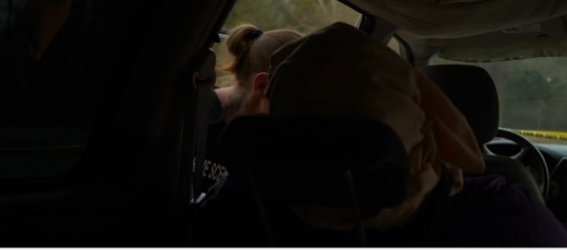
Shop owners closed early as police cordoned off the area, while forensic teams examined the scene and collected evidence.
Glasser described the incident as “highly confronting,” particularly given the time of day and the number of people present. “It’s very reassuring to see members of the community come and help other members of the community that needed immediate assistance,” he said, praising the actions of bystanders who offered first aid and comfort to the injured.
Police have established a crime scene along Merrylands Road and confirmed that investigations are ongoing. Detectives are reviewing CCTV footage from nearby businesses, interviewing witnesses, and working to piece together the movements of the suspect before and after the attack.
Authorities have urged anyone with information to come forward, stressing that even small details could prove important.
As Sydney and the wider New South Wales community absorb the news, tributes have begun to emerge for the man who lost his life, while messages of support have been shared for the two critically injured victims and their families.
Flags at some local facilities were lowered, and community groups have organised quiet gatherings to allow residents to express their grief and solidarity.
While police continue their work, the tragedy has prompted broader reflection on how such incidents can be prevented in the future.
Balancing public safety, compassionate mental health care, and responsible reporting will remain central challenges as authorities seek answers and communities seek reassurance in the aftermath of a violent and deeply unsettling morning in western Sydney.


