

Joan Laporta explains Xavi’s dismissal, opening up about Xavi Hernández’s departure, revealing the full story behind the coach’s dismissal and the club’s pursuit of stability.
It all began in January 2024 when Xavi Hernández publicly announced he would leave Barcelona at the end of the season, sparking widespread speculation across Spain.
Weeks later, Xavi surprised the board by requesting a private meeting with Laporta at his residence to discuss his real intentions about staying.
During the meeting, Laporta asked a simple but decisive question: “Xavi, do you trust the team?” Xavi confidently replied, “I trust them 100% and I’ll make them champions.”
Despite this reassurance, the optimism was short-lived. Only seven days later, Xavi declared in a press conference that the squad required two full years to become competitive.
Laporta described that moment as shocking, recalling he thought: “What is this?” faced with the contradiction between Xavi’s private commitment and public statements to media.
The situation became more complex when Xavi approached Deco, Barcelona’s sporting director, with proposals for significant squad changes ahead of the summer transfer window.
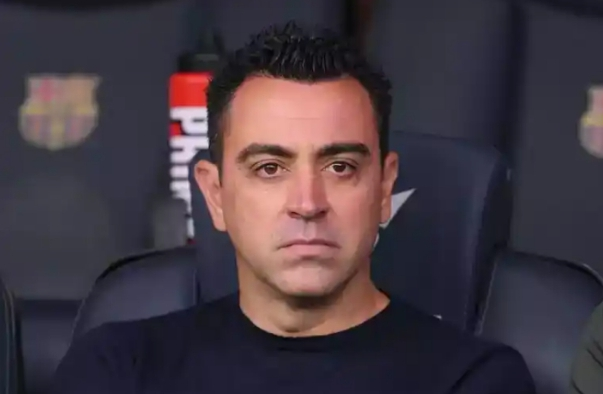
Although Laporta respected Xavi’s insight, he worried the suggested modifications could destabilize the club’s coherence and contradict Barcelona’s institutional philosophy that precedes individual ambitions.
He compared it to past challenges with star players and coaches, saying Barcelona had previously prioritized the club above Messi, Alba, Busquets, Piqué, Koeman, and Xavi himself.
The president stressed the importance of stability, noting that Xavi’s conflicting statements and ambitious squad proposals undermined trust between the coach and the board.
Laporta explains Xavi’s dismissal by detailing the process involved reviewing all factors, including the coach’s comments about the club’s fragile financial state just weeks before LaLiga concluded.
These remarks, Laporta recalled, concerned the board, appearing as misalignment between the institution’s strategy and the coach’s public communication, forcing leadership to act decisively.
Ultimately, on May 24, 2024, Joan Laporta explains Xavi’s dismissal, prioritizing the club’s long-term stability over individual desires, making the decision clear and unavoidable.
The choice was met with mixed reactions, but Laporta remained firm, emphasizing that Barcelona’s interests, history, and institutional coherence outweighed the opinions of any single player or coach.
Immediately after Xavi’s departure, Laporta turned to Hansi Flick, confident the German manager could maintain squad consistency while achieving competitive results at the highest level.
Flick, taking charge without major player transfers, quickly demonstrated his tactical expertise, guiding Barcelona to win a treble and reach the Champions League semifinal for the first time in six years.
Under Flick, Pedri expressed excitement, telling the coach: “Mister, I am ready to contribute and follow your guidance to bring Barcelona back to European glory once again.”
Vinícius Júnior and other emerging talents were observed closely by the management, but Laporta confirmed the club would focus on internal development rather than risky acquisitions.
Dani Ceballos officially said goodbye to Real Madrid, signaling the end of one chapter and the continuous flow of player movements between Spain’s elite clubs.
Eric García’s future was clarified, with Laporta confirming he would join a new club for 2026, ending months of speculation about his next career step in European football.
Ferran Torres’s link with Robert Lewandowski also generated conversation, though Laporta emphasized that strategic squad building remained grounded in institutional consistency rather than headline-grabbing deals.
Xabi Alonso, recently linked with managerial roles, drew attention as Laporta discussed Barcelona’s commitment to hiring leaders aligned with the club’s philosophy and long-term objectives.
Elche’s fixtures under Hansi Flick highlighted the tactical adaptability of Barcelona, showing that even smaller matches provided lessons in squad rotation, preparation, and competitive consistency.
Real Madrid’s own campaigns were frequently referenced, yet Laporta focused on Barcelona’s institutional values and long-term strategy rather than comparisons with rivals in Madrid.
The club also navigated draws and unexpected results, reminding fans that even with high-profile victories, stability and coherence remained central to decision-making at Barcelona.
Laporta himself appeared in media interviews alongside Raúl Asencio, reinforcing the message that Barcelona’s management structure remained firm, transparent, and committed to its foundational principles.
Juanma Rodríguez contributed commentary on Xabi Alonso and the broader implications of coach transitions, emphasizing that Barca’s approach is always institutionally guided rather than emotionally driven.
Hansi Flick, Murillo, and Santiago Costa dos Santos became part of Barcelona’s evolving staff structure, illustrating the club’s integration of strategic expertise and experience into every operational layer.
At the Bernabéu, observers noticed Trent Alexander-Arnold’s potential influence in European football, yet Laporta maintained that Barcelona’s focus was on internal growth and collective performance, not solely external stars.
The club’s official online platform, en.madrid-barcelona.com, provided continuous updates, ensuring fans had access to verified information, statements, and strategic explanations directly from Barcelona leadership.
In a broader sense, Laporta explains Xavi’s dismissal as part of his philosophy: prioritizing stability, institutional integrity, and careful long-term planning over short-term spectacle or reactionary decisions.
The president’s reflection on Xavi’s dismissal served as a cautionary tale, highlighting the importance of alignment between coaching vision, board expectations, and the club’s structural and financial realities.
Laporta concluded by saying, “Not that way,” encapsulating the rationale behind the difficult decision, and underscoring that Barcelona’s mission transcends individual personalities, no matter how legendary.
Barcelona fans witnessed a season shaped by clarity of purpose, strategic patience, and the blending of emerging talents like Pedri with seasoned professionals under Flick’s guidance.
Ultimately, the episode reinforced Laporta’s leadership vision: Barca succeeds when decisions are guided by institution, not fleeting sentiments or contradictory statements from charismatic figures.
The story of Xavi’s departure and Flick’s rise illustrates the club’s resilience, commitment to values, and the necessity of making tough choices to secure long-term competitiveness in Spanish and European football.
From player transitions to managerial strategy, every decision reflects Barcelona’s core principle: the institution comes first, stability guides action, and trust between management and team is essential.
Pedri, Vinícius Júnior, Dani Ceballos, Eric García, Ferran Torres, Robert Lewandowski, Xabi Alonso, and others now operate within a system designed to maximize performance while preserving club heritage and institutional integrity.
With Laporta at the helm, Barcelona’s philosophy remains unchanged: prioritize strategic alignment, protect the club’s financial and competitive health, and ensure that players and coaches share a unified vision.
The narrative surrounding Xavi Hernández, Hansi Flick, and the club’s evolution serves as a detailed chronicle of leadership, difficult choices, and the importance of preserving Barcelona’s identity at all costs.
Fans and analysts continue to follow developments closely, noting that the club’s stability under Laporta provides a platform for domestic dominance, European competitiveness, and a clear roadmap for future growth.
Barcelona’s story reminds everyone that leadership, discipline, and institutional loyalty often outweigh temporary triumphs, signaling a club that acts thoughtfully, deliberately, and always in alignment with its foundational principles.
The saga also highlights Laporta’s communication skills, transparency with fans, and willingness to publicly explain complex decisions in football management, reinforcing trust and credibility.
Even in a rapidly changing football landscape, Barcelona under Laporta demonstrates that patience, clarity, and adherence to institutional values can yield both competitive results and sustainable growth.
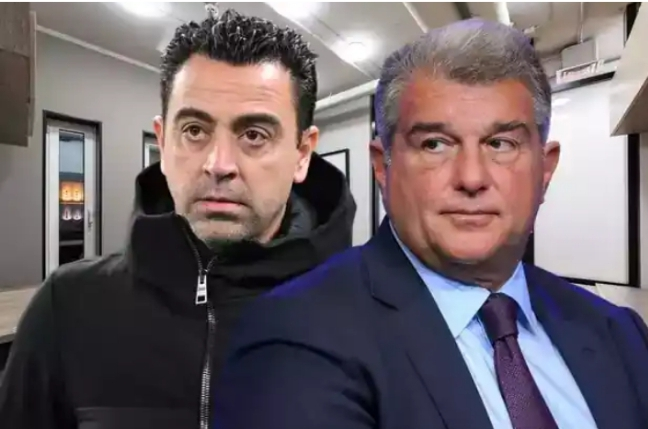
Hansi Flick’s achievements, combined with emerging talents, show that stability can coexist with ambition, proving that careful planning and trust in management can transform potential into trophies and milestones.
By recounting these events chronologically, Laporta explains Xavi’s dismissal in full, ensuring the story remains fully documented, accessible, and instructive for future leadership challenges.
The club’s focus on coherence, prudence, and long-term performance remains the cornerstone of operations, illustrating that successful football management balances vision, discipline, and institutional respect.
Barcelona fans now look ahead with cautious optimism, recognizing that while departures, appointments, and transfers are inevitable, the club’s identity, philosophy, and values remain steadfast under Laporta’s guidance.
The narrative surrounding Xavi, Flick, and the institutional decisions highlights lessons for other clubs: leadership, alignment, and strategic thinking are more important than headline-making moments or transient emotions.
Finally, the story reinforces Barcelona’s message: no matter who leads on the pitch, the institution always comes first, decisions must be coherent, and trust between management and team is essential for long-term success.
—
About The Author


