
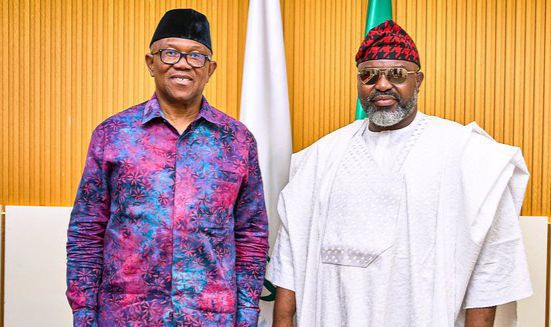
A wave of concern swept across political and social circles following claims surrounding Kaduna cleric arrest rumours involving respected Islamic scholar Sheikh Ahmad Umar.
The situation quickly gained attention after Peter Obi publicly alleged that the cleric had been arrested shortly after hosting him in Kaduna State.
The controversy began when Obi shared a post on X (formerly Twitter) on March 24, stating that he had received information suggesting that Sheikh Umar was taken into custody not long after their meeting on Sunday, March 22.
He described the development as alarming, warning that such incidents could signal a gradual erosion of democratic values in Nigeria.
According to him, actions perceived as targeting voices of influence or dissent may create fear and limit open political engagement.
Obi’s remarks added fuel to Kaduna cleric arrest rumours, especially as he referenced the broader implications for freedom of speech and political participation.
However, he stopped short of confirming which security agency was responsible for the alleged action, leaving room for speculation and public debate.
As reactions intensified, a video message from Sheikh Ahmad Umar emerged, directly addressing the growing rumours.
In his calm but firm response, the cleric categorically denied being arrested or detained by the Department of State Services (DSS).
Instead, he clarified that he was only invited for questioning by security officials.
According to Umar, the interaction with the authorities was routine and conducted without any form of intimidation or mistreatment.
He explained that he cooperated fully during the process and was allowed to leave shortly afterward.
By speaking out, he aimed to correct what he described as misinformation circulating in various quarters.
“I was not detained. I was invited, I honoured the invitation, and I returned home peacefully,” he stated, reinforcing his position against the Kaduna cleric arrest rumours.
Beyond addressing the claims, the cleric used the opportunity to call for calm among his followers and the general public.
He warned against spreading unverified information or reacting in ways that could disrupt peace in the state.
Emphasizing the importance of law and order, he urged residents not to take matters into their own hands.
About The Author






