Israel kills four Palestinians in a new escalation of force that unfolded across Gaza and the West Bank, deepening regional unease and drawing international alarm over rising instability.
The incident occurred amid a fragile environment shaped by repeated confrontations, shifting military calculations and growing fear among civilians living under the weight of unpredictable security dynamics that increasingly define daily survival.
Witnesses reported chaotic scenes as gunfire erupted in two separate areas, prompting families to flee and leaving humanitarian workers scrambling to determine casualties while attempting to offer immediate medical assistance.
Local officials described the situation as “dire,” noting that communications were disrupted, ambulances delayed and medical volunteers overwhelmed by the rapid pace of violence that shattered morning routines.
Human rights monitors said the latest clashes again highlighted unresolved tensions across territories where armed confrontations frequently erupt without warning, forcing communities to navigate persistent threats with limited protection or recourse.
As details emerged, initial reports indicated that Israeli forces had entered a targeted zone, prompting resistance and triggering exchanges that quickly spiraled into prolonged encounters leaving destruction across several blocks.
Community leaders expressed grief, saying the scenes reflected a “painful pattern” in which sudden military activity transforms ordinary environments into battle zones, displacing residents and traumatizing those caught in crossfire.
Regional diplomats urged de-escalation, warning that further clashes could destabilize ongoing negotiations aimed at restoring basic security arrangements and addressing grievances fueling the current cycle of renewed hostilities.

Families of victims gathered outside medical centers, hoping for confirmation of survival while fearing the worst, as hospital corridors filled with anxious relatives awaiting official casualty updates.
International organizations reiterated that repeated outbreaks of violence were undermining efforts to rebuild fragile infrastructure and weakening confidence in diplomatic frameworks meant to support long-term peace aspirations.
The latest confrontation unfolded hours after warnings that Gaza ceasefire violations were mounting, raising concerns that unaddressed incidents were accumulating enough momentum to reignite broader conflict in already devastated zones.
Analysts noted that while political actors discussed restraint, ground realities continued to diverge from diplomatic messaging, with localized clashes increasing unpredictably and eroding prospects for sustained regional calm.
Local journalists said residents remained trapped between security operations and uncertainty, often receiving little information about imminent threats until violence erupted, leaving limited time to seek effective shelter.
Emergency workers described emotional exhaustion from responding to continuous incidents, emphasizing the heavy toll repeated confrontations impose on both professionals and families struggling to maintain stability amid fear.
In the West Bank, witnesses said tension escalated as West Bank raids intensify, contributing to an atmosphere of mistrust between security personnel and communities that feel increasingly vulnerable to unexpected incursions.
Authorities reported that several homes were searched, prompting further confrontations as residents attempted to navigate the presence of armed units conducting operations at dawn when families were resting.
The fallout extended beyond immediate casualties, with civil society groups warning that such incidents erode trust in leadership structures tasked with mediating community grievances during heightened political uncertainty.
Amid rising tensions, settlers were reported engaging in aggressive actions in nearby areas, prompting condemnations as settler violence escalation renewed criticism of inadequate protection for civilians exposed to harassment.
Eyewitness accounts described groups moving through rural outskirts, damaging property and confronting residents attempting to safeguard belongings while fearful of further attacks from emboldened assailants.
Activists said these actions compounded emotional trauma among communities already rattled by military operations, adding layers of distress that deepened social fragmentation and hindered conflict resolution efforts.
Regional negotiators warned that without immediate intervention, spiraling episodes could trigger broader hostilities, risking prolonged destabilization across territories already strained by humanitarian shortages.
Diplomatic sources said backchannel discussions continued despite the violence, though participants privately acknowledged that recurring clashes weakened confidence in ongoing talks meant to stabilize relations.
Officials involved in negotiations expressed frustration that flare-ups repeatedly overshadowed policy proposals, creating a reactive environment where emergency responses replaced structured planning essential for sustainable progress.
Observers said political divisions within governing bodies further complicated efforts, with competing priorities and fragmented leadership structures limiting coherent responses to escalating threats on the ground.
As news of the latest confrontation spread, international media highlighted mounting pressure on all sides to address unresolved grievances that fuel cyclical violence and hinder long-term social recovery.
Security experts said recent incidents demonstrated how rapidly localized tensions can expand, drawing multiple actors into confrontation and creating ripple effects that threaten broader diplomatic balances.
Humanitarian agencies warned that escalating violence restricted their movement, preventing distribution of essential supplies to areas already suffering shortages of water, medication and functional electricity.
Families living near conflict zones described nightly anxiety, listening for signs of approaching danger before deciding whether to remain indoors or attempt risky relocation to safer areas.
Psychologists working with affected communities noted growing emotional strain among children traumatized by gunfire, forced displacement and the unpredictability of recurring confrontations disrupting their sense of safety.
Community elders said repeated violence eroded traditional support networks, weakening inter-family cooperation and reducing resources available for coping with emergencies that arise without warning.
The diplomatic community continued urging calm, emphasizing that unrestrained confrontations jeopardize ongoing mediation efforts and diminish chances of restoring structured communication channels between conflicting parties.
Regional security analysts emphasized that unresolved disputes sitting at the core of recent escalations continue obstructing movement toward stabilization, leaving populations in a state of constant vulnerability.
Local media reported that calls for accountability remained widespread, with residents demanding transparent investigations into military actions and stronger safeguards against abuses during security operations.
Israeli officials defended the operations, stating the targeted actions were necessary to prevent planned attacks and asserting that the forces operated within established security mandates tailored for emerging threats.
Palestinian representatives countered that the operations constituted excessive force, arguing that ongoing incursions deepened humanitarian hardship and undermined political avenues toward constructive negotiation.
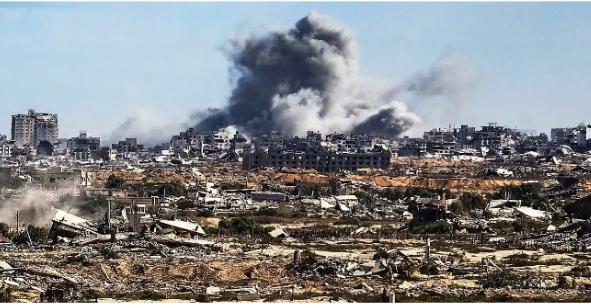
International observers reiterated the need for impartial investigations, stating that clarity regarding the circumstances leading to the deaths of four individuals was essential for rebuilding any semblance of mutual confidence.
The United Nations expressed concern, noting that continuing confrontations made it increasingly difficult for mediators to engage conflicting sides in meaningful dialogue aimed at addressing long-term grievances.
Foreign ministries across several capitals issued statements urging restraint, warning that additional casualties risk provoking broader unrest not only in contested areas but throughout the region.
Humanitarian officials appealed for additional aid, stressing that community resilience was eroding under the pressure of sustained instability, limited resources and relentless uncertainty regarding future developments.
As evening approached, families mourned the four individuals killed, gathering quietly in neighborhoods heavy with grief as prayers filled the air amid collective reflection on mounting loss.
Communities expressed despair over the recurring tragedies and pleaded for meaningful intervention capable of reversing patterns of destruction that have taken root across densely populated regions.
In private conversations, diplomats expressed concern that unless deeper issues were addressed, the cycle of crises would persist, repeatedly undermining efforts to create a pathway toward lasting peace.
Security analysts concluded that the latest outbreak demonstrated the fragility of current arrangements and underscored the urgent need for renewed political commitment to preventing further bloodshed.
Local elders continued calling for unity, urging families to remain vigilant while advocating for peaceful avenues of expression despite the increasing pressures placed on their communities.
Residents acknowledged that they remained caught between external political agendas and internal instability, struggling to maintain ordinary routines amid a landscape dominated by unpredictability.
As night settled, the reverberations of the day’s events echoed across the region, deepening fears that more violence could follow unless decisive steps toward de-escalation were implemented.
Many expressed hope that international attention might help prevent further tragedies, even as skepticism lingered over whether meaningful change could emerge from existing political conditions.
Ultimately, the deaths served as a stark reminder of the human cost embedded within the ongoing crisis and the urgent need for sustainable solutions capable of restoring stability.
Communities mourning the victims called on global actors to reaffirm commitments to humanitarian protection, insisting that every life lost intensified the collective responsibility to pursue peace.
Regional observers concluded that without decisive action, the cycle of recurring violence would continue to shape the lived experience of those trapped between conflict and dwindling hope.
About The Author